ABB
RFQ Ready
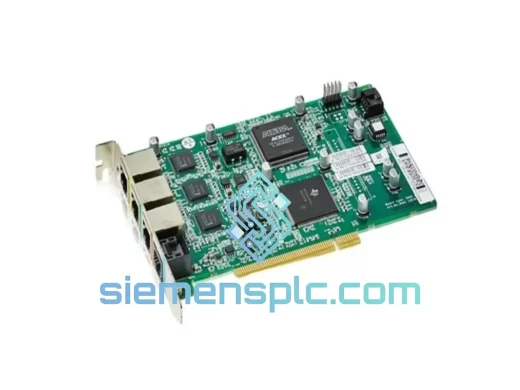
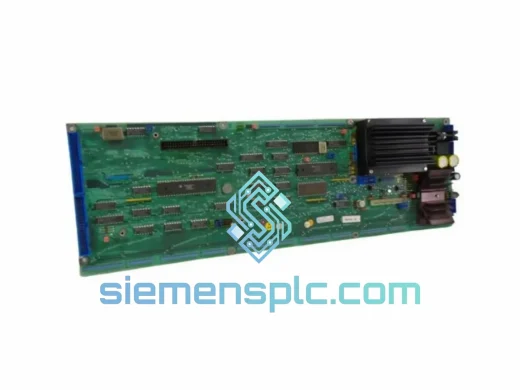
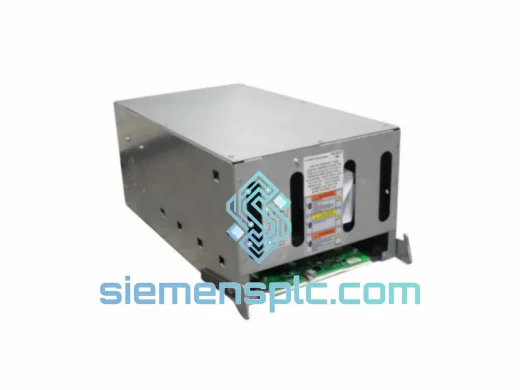
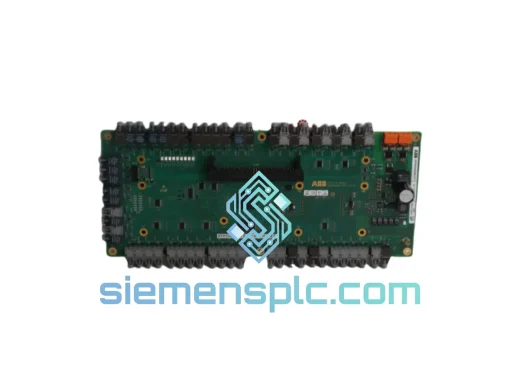
ABB 3BHE024855R0103 UFC921A103 DCS Interface Board
Symphony Plus
Origin SE
DCS Interface Board
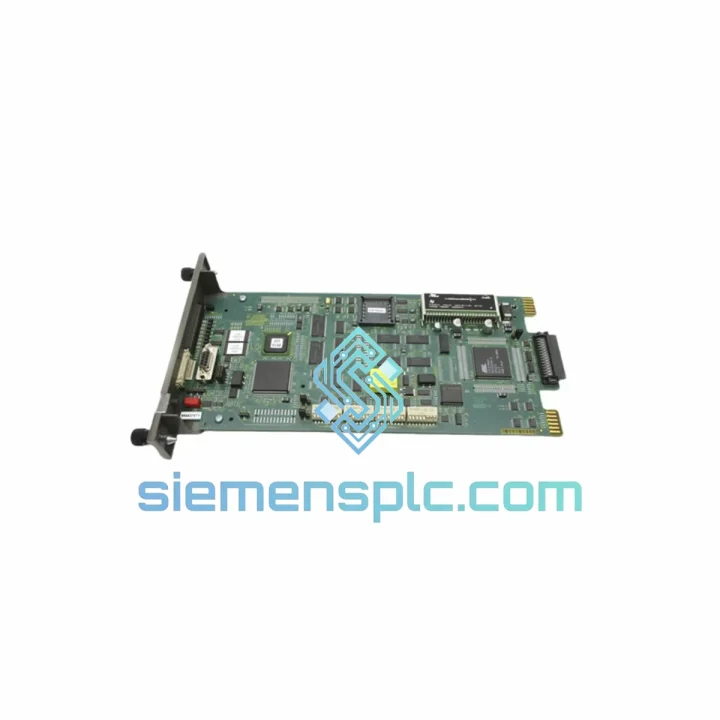
Request verified availability, condition, replacement risk review, packing options and courier lead time for BRC3000B.
Click Request Quote and the part number is inserted into the inquiry form automatically.
Core fields for model confirmation and RFQ routing. Detailed product narrative remains below.
Every hour your Symphony Plus DCS sits offline costs real money. Whether it’s a tripped power rail, a corrupted firmware state, or a hardware fault that’s locked out your entire control loop, the BRC3000B is the single point of failure you cannot afford to wait on. We stock it. We ship it. DHL Express from Xiamen, door-to-door, typically within 24–72 hours of order confirmation — no broker delays, no warehouse runaround.
This is not a refurbished pull or a grey-market substitute. Every BRC3000B unit we dispatch carries original ABB labeling, intact firmware version markings, and passes a bench-level communication check before it leaves our facility. If your plant is down, this is the fastest legitimate path back to production.
URGENT REQUIREMENT? Contact: [email protected] | WhatsApp: +86 18359268345
| Parameter | Specification |
|---|---|
| Part Number | BRC3000B |
| Manufacturer | ABB |
| Series | Symphony Plus (S+) |
| Module Function | DCS Bridge Controller — manages I/O bus communication between S+ controllers and field I/O modules |
| Form Factor | Rack-mount, DIN-compatible carrier |
| Communication Bus | Redundant Control Bus (RCB) architecture supported |
| Redundancy Support | Yes — primary/backup controller pairing |
| Operating Voltage | 24 VDC (supplied via backplane) |
| Operating Temperature | 0°C to +60°C |
| Humidity | 5% to 95% RH, non-condensing |
| Weight | ~640 g |
| Compliance | CE, RoHS |
| Condition | New / OEM Surplus (specify at inquiry) |
| Stock Status | ✅ Ready to Ship — Xiamen, China |
The BRC3000B fails in predictable ways. Here’s what field experience tells you to check before you even open the cabinet:
Fault Code 0x4A / RCB Communication Loss: Nine times out of ten this is the BRC3000B itself, not the cabling. The bridge controller’s internal FPGA can lock up after a power transient. A hard power cycle (remove module, wait 30 seconds, reseat) will confirm whether it’s a soft fault. If the fault persists after reseating, the module is gone — order the replacement now, don’t wait for a second opinion.
Self-Addressing After Replacement: The BRC3000B uses automatic node addressing via the RCB backplane. When you slot in the new unit, the S+ system will attempt to re-enumerate the bridge within 60–90 seconds. Do not interrupt power during this window. If the controller does not come online after 2 minutes, check that the DIP switches on the rear of the module match the original unit’s configuration — specifically SW1 (node address) and SW2 (redundancy mode). Photograph the old module’s switch positions before removal. This is the most common installation error in the field.
Firmware Compatibility: BRC3000B hardware revision B is compatible with Symphony Plus firmware 3.x and above. If your system is running firmware 2.x (legacy S+ installations pre-2015), verify the hardware revision label on the module before ordering. Mixing revision A and revision B hardware in a redundant pair will cause a persistent mismatch alarm and the backup controller will not synchronize.
Replacement Procedure (condensed):
Common Mistake: Engineers sometimes replace the BRC3000B when the actual fault is a failed RCB cable or a corroded backplane connector. Before condemning the module, swap the RCB cable first — it’s a 5-minute check that can save you the cost of a module.
The BRC3000B was designed for continuous operation in environments that would kill consumer-grade electronics. ABB’s Symphony Plus platform targets power generation, oil & gas, and chemical processing — industries where ambient temperatures swing, vibration is constant, and humidity is a daily variable.
The module’s conformal-coated PCB provides protection against moisture ingress and airborne contaminants — critical in coastal plants, offshore platforms, and chemical facilities where salt fog and corrosive vapors are present. The backplane connector uses gold-plated contacts rated for 500+ insertion cycles, which matters when you’re doing annual maintenance pulls.
Vibration tolerance is rated to IEC 60068-2-6 (sinusoidal, 10–150 Hz, 1g). In practice, this means the BRC3000B handles the continuous low-frequency vibration common in compressor houses and turbine halls without contact fatigue. Units that have been in service for 10+ years in these environments typically fail due to electrolytic capacitor aging on the power supply section — not mechanical failure. That’s a predictable, end-of-life failure mode, not a random one.
All units we ship have been stored in climate-controlled, ESD-safe conditions. Modules are individually bagged in anti-static packaging with desiccant and shipped in foam-lined boxes rated for international air freight handling.
Our dispatch hub is in Xiamen, Fujian Province — one of China’s primary export ports with direct DHL and FedEx gateway access. This matters when you’re counting hours, not days.
Standard Express Timeline (DHL / FedEx International Priority):
Every shipment includes a commercial invoice, packing list, and certificate of origin. For destinations requiring import permits or specific HS code declarations for automation components (HS 8537.10 / 8543.70), we prepare documentation in advance to prevent customs holds. We have shipped to 40+ countries without a single customs seizure — because we do the paperwork correctly the first time.
For bulk orders (5+ units) or emergency plant-down situations requiring same-day courier booking, contact us directly on WhatsApp for real-time coordination. We can arrange Saturday dispatch if the situation demands it.
📧 Email: [email protected]
📱 WhatsApp: +86 18359268345
🌐 Web: siemensplc.com
© 2026 siemensplc.com. All rights reserved.
We check the full part number, brand, series and visible nameplate information before quotation.
Sales confirms stock path, condition option, quantity and realistic lead time for export dispatch.
DHL, FedEx, UPS or buyer courier arrangements can be reviewed with packing requirements.
Similar brand or category products for fast comparison and multi-item RFQ lists.