ABB
RFQ Ready
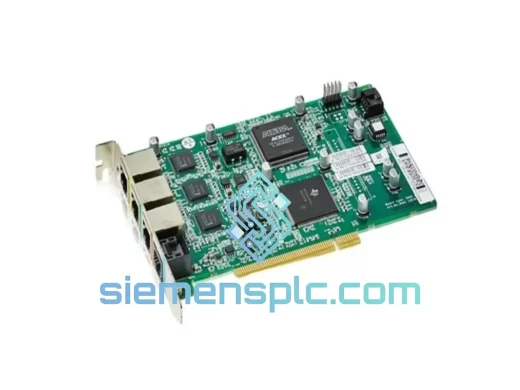
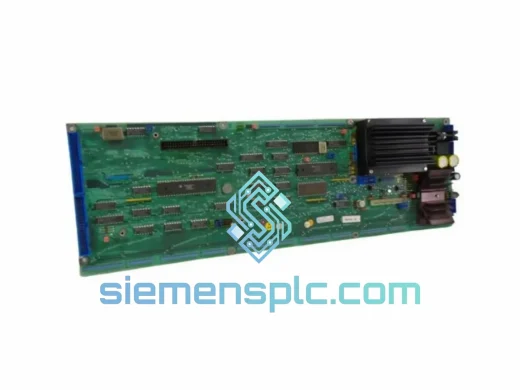
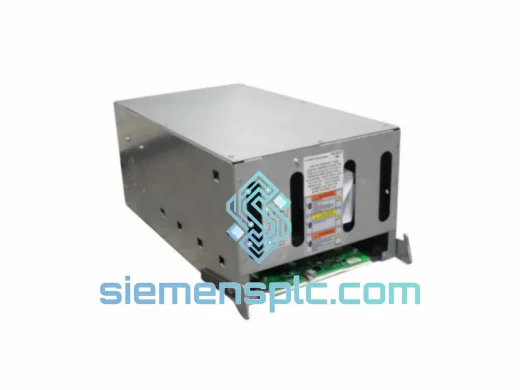
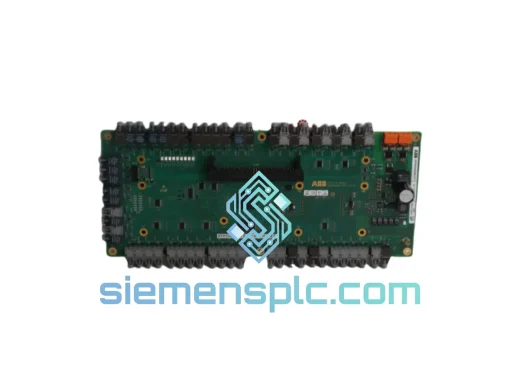
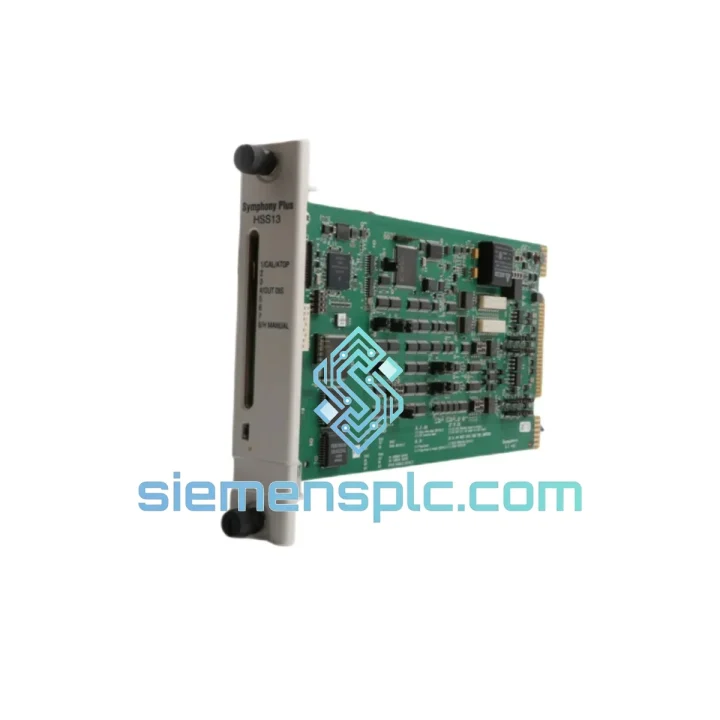
ABB 3BHE024855R0103 UFC921A103 DCS Interface Board
Symphony Plus
Origin SE
DCS Interface Board
Request verified availability, condition, replacement risk review, packing options and courier lead time for P4LQA HENF209736R0003.
Click Request Quote and the part number is inserted into the inquiry form automatically.
Core fields for model confirmation and RFQ routing. Detailed product narrative remains below.
Your turbine tripped. The protection slave module is dead. Every hour offline is burning through your maintenance budget and your production schedule. You don’t need a sales pitch — you need the part on a plane. The ABB P4LQA HENF209736R0003 is on our shelf in Xiamen right now. We’ve shipped this exact module to power plants in Southeast Asia, the Middle East, and Europe within 24 hours of order confirmation. While your OEM quotes you 6–10 weeks, we quote you a tracking number.
The P4LQA HENF209736R0003 is a turbine protection slave module within ABB’s Symphony Plus distributed control system. It handles distributed I/O for turbine safety loops — overspeed, vibration, axial displacement, and temperature trip channels — interfacing directly with the master protection controller over the Symphony Plus backplane. When this card fails, your entire turbine protection architecture is compromised. There is no workaround. You need a direct replacement, and you need it now.
URGENT REQUIREMENT? Contact: [email protected] | WhatsApp: +86 18359268345
| Parameter | Specification |
|---|---|
| Part Number | P4LQA / HENF209736R0003 |
| Manufacturer | ABB |
| Series | Symphony Plus |
| Module Function | Turbine Protection Slave Module |
| Architecture | Distributed slave I/O for turbine safety loops |
| Backplane Interface | Symphony Plus proprietary high-speed bus |
| Redundancy Support | Yes — hot-standby configurations supported |
| Operating Temperature | 0°C to +60°C (storage: -40°C to +70°C) |
| Humidity Tolerance | 5–95% RH, non-condensing |
| Weight | 1,570 g |
| Country of Origin | Germany |
| Condition | New / Tested Surplus (confirm on inquiry) |
| Stock Status | ✔ Ready to Ship — Xiamen, China |
Common failure signatures for the P4LQA HENF209736R0003:
Replacement procedure (field-verified sequence):
Turbine protection hardware lives in one of the most demanding electrical environments in industry. The P4LQA HENF209736R0003 is built to ABB’s industrial-grade specifications for continuous operation in exactly these conditions. The module’s PCB uses conformal coating to resist moisture ingress — critical in coastal power plants and facilities with high ambient humidity. The backplane connector is rated for thousands of insertion cycles, and the housing is designed to maintain contact integrity under the continuous low-frequency vibration characteristic of large rotating machinery foundations.
EMI hardening is not an afterthought on this module. The analog input stage uses differential signal conditioning with common-mode rejection designed to suppress the electrical noise generated by large generators, variable-frequency drives, and high-current bus bars that share the same physical space as the control cabinet. Field experience across multiple power plant installations confirms that the P4LQA maintains signal integrity in environments where lesser modules produce chronic nuisance trips.
Thermal management is handled through the Symphony Plus chassis forced-air cooling system, and the module’s component selection is rated for the full 0–60°C operating range without derating. In practice, we’ve seen these modules pulled from plants in the Middle East — where cabinet ambient temperatures regularly exceed 45°C — that still bench-test within factory specification after years of continuous service.
Our warehouse is located in Xiamen, Fujian Province — one of China’s primary export hubs with direct access to international freight lanes. When you confirm your order, here’s what happens:
We’ve shipped ABB Symphony Plus modules to power plants on five continents. The logistics process is not new to us. Your downtime clock is running — let’s stop it.
Email: [email protected]
WhatsApp: +86 18359268345
Web: siemensplc.com
© 2026 siemensplc.com. All rights reserved.
We check the full part number, brand, series and visible nameplate information before quotation.
Sales confirms stock path, condition option, quantity and realistic lead time for export dispatch.
DHL, FedEx, UPS or buyer courier arrangements can be reviewed with packing requirements.
Similar brand or category products for fast comparison and multi-item RFQ lists.