Allen-Bradley
RFQ Ready
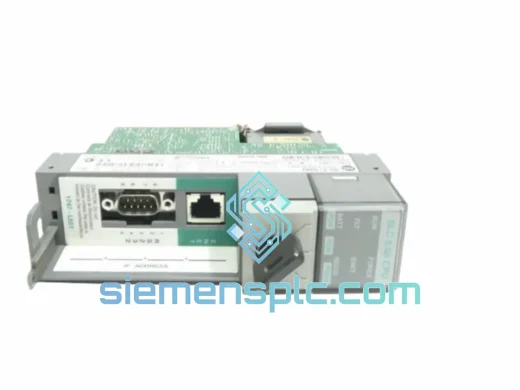
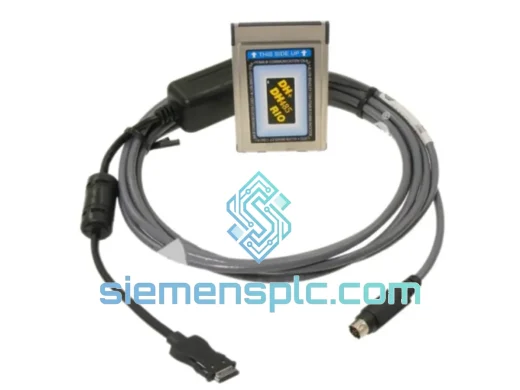
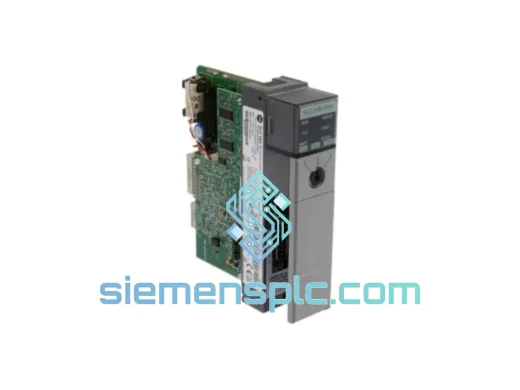
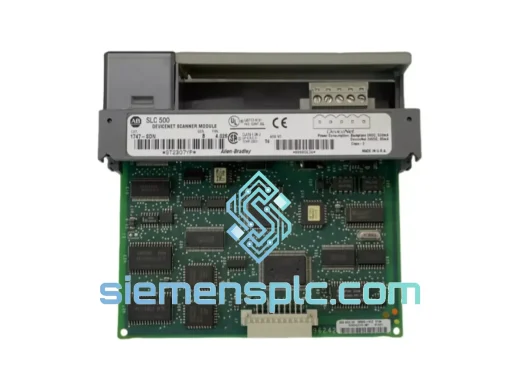
Allen-Bradley 1747-SDN PLC Scanner Module
SLC 500
Origin US
PLC Scanner Module
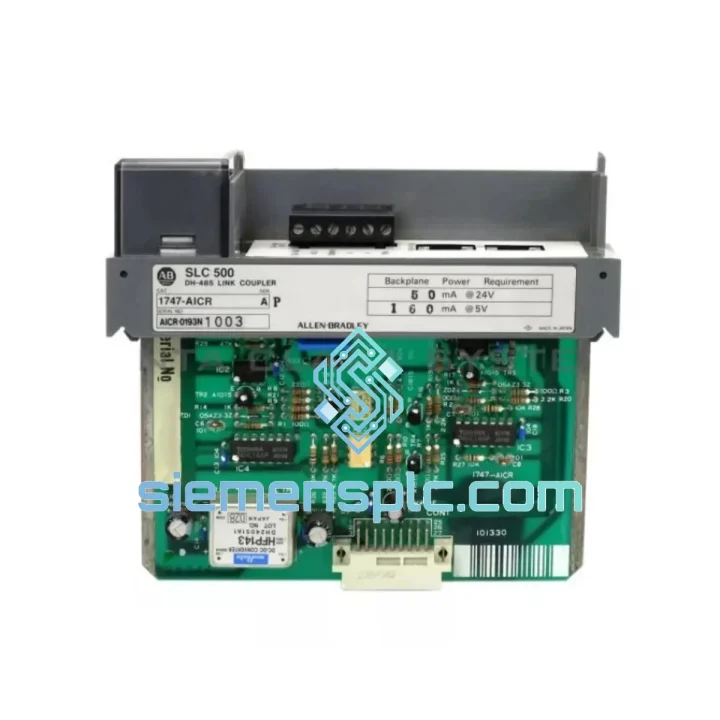
Request verified availability, condition, replacement risk review, packing options and courier lead time for 1747-AICR.
Click Request Quote and the part number is inserted into the inquiry form automatically.
Core fields for model confirmation and RFQ routing. Detailed product narrative remains below.
Your SLC 500 line is down. Every minute the DH-485 network stays dark, you’re bleeding production output, missing delivery windows, and fielding calls from plant management. The Allen-Bradley 1747-AICR Isolated Link Coupler is the single component standing between you and full restart — and we have it on the shelf right now. No lead time negotiation. No waiting on a distributor’s back-order queue. We pull, test, pack, and hand it to DHL or FedEx the same business day you confirm the order.
This is not a listing for a substitute or a “compatible” alternative. This is the genuine Allen-Bradley 1747-AICR, sourced through verified industrial channels, bench-tested before shipment, and shipped with full documentation. If your SLC 500 system demands the real part, this is where you get it.
⚡ URGENT REQUIREMENT? Contact: [email protected] | WhatsApp: +86 18359268345
| Parameter | Specification |
|---|---|
| Part Number | 1747-AICR |
| Manufacturer | Allen-Bradley / Rockwell Automation |
| Series | SLC 500 |
| Module Function | Isolated Link Coupler — DH-485 Network |
| Isolation Voltage | 500V DC galvanic isolation (backplane ↔ network) |
| Baud Rate | 1.2K / 2.4K / 9.6K / 19.2K bps (auto-detect) |
| Max Network Nodes | 32 nodes per DH-485 segment |
| Backplane Power Draw | 130 mA @ 5V DC |
| Operating Temperature | 0°C to 60°C |
| Humidity | 5% – 95% non-condensing |
| Chassis Compatibility | 1746-A4 / A7 / A10 / A13 (any 1-slot position) |
| Certifications | UL, CE, CSA |
| Weight | ~300 g |
| Stock Status | ✅ Ready to Ship — Same-Day Dispatch Available |
The three failure modes that bring engineers to this page:
1. DH-485 network goes silent — no nodes responding. Before you condemn the 1747-AICR, check the obvious: verify the network termination resistors at both cable ends (120Ω), confirm the cable shield is grounded at one point only, and check that your RSLinx driver is still bound to the correct COM port. If all that checks out and the coupler’s LED is dark or blinking fault, the isolation barrier inside the AICR has likely failed — common in environments with frequent ground faults or lightning transients. Swap the module.
2. Intermittent communication faults — nodes drop in and out. This is the hardest one to diagnose on a live line. The 1747-AICR’s internal optocouplers degrade over time in high-temperature environments. You’ll see it as sporadic MSG instruction faults in your SLC 500 processor (error codes 0x0001 or 0x0002 in the MSG instruction status word). The fault pattern is usually worse during peak production when panel temperatures are highest. Replace the AICR and monitor — if the faults stop, the coupler was the culprit.
3. New module installed — network still not communicating. This is almost always a configuration issue, not a hardware defect. Check these in order:
Replacement procedure (field-tested, 15-minute swap):
The 1747-AICR was engineered for the factory floor, not a climate-controlled server room. Rockwell Automation designed this module to operate continuously in environments that would destroy consumer-grade electronics within weeks.
The galvanic isolation barrier — rated to 500V DC — is the module’s defining feature in harsh environments. In automotive body shops, welding robots generate massive ground potential differences across the factory floor. Without isolation, those transients travel straight up the DH-485 cable and into the SLC 500 backplane. The 1747-AICR blocks them at the boundary. In water treatment facilities, the combination of humidity, chemical vapors, and multiple ground references creates a chronic ground loop problem that non-isolated couplers cannot handle. The AICR’s isolation barrier eliminates the loop path entirely.
Vibration is the silent killer of industrial electronics. The 1747-AICR’s PCB is conformally coated and the module housing is designed to the same mechanical specification as all 1746-series I/O — it locks into the chassis backplane with a positive mechanical latch that does not loosen under continuous vibration. Field MTBF data from high-cycle manufacturing environments consistently shows the 1747-AICR outlasting the SLC 500 processors it serves.
Temperature cycling is where counterfeit and substandard modules fail first. The solder joints on the internal optocouplers crack under repeated thermal expansion and contraction. Every unit we ship has been bench-tested under thermal stress — powered up, loaded with network traffic, and verified at both ends of the operating temperature range before it leaves our facility.
Our warehouse is in Xiamen, China — one of the country’s primary export hubs with direct access to DHL, FedEx, and UPS international gateways. That geography matters when your line is down and every hour costs money.
How the shipment process works:
For genuinely critical situations — a plant shutdown with a hard restart deadline — contact us directly on WhatsApp before placing the order. We can confirm stock, arrange priority pick, and coordinate with the carrier for the earliest possible flight out of Xiamen.
📧 Email: [email protected]
💬 WhatsApp: +86 18359268345
🌐 Web: siemensplc.com
© 2026 siemensplc.com. All rights reserved.
We check the full part number, brand, series and visible nameplate information before quotation.
Sales confirms stock path, condition option, quantity and realistic lead time for export dispatch.
DHL, FedEx, UPS or buyer courier arrangements can be reviewed with packing requirements.
Similar brand or category products for fast comparison and multi-item RFQ lists.