Honeywell
RFQ Ready
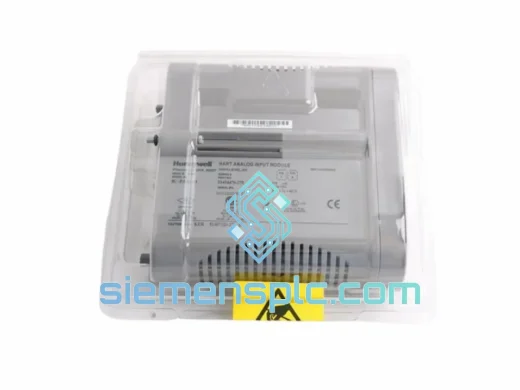
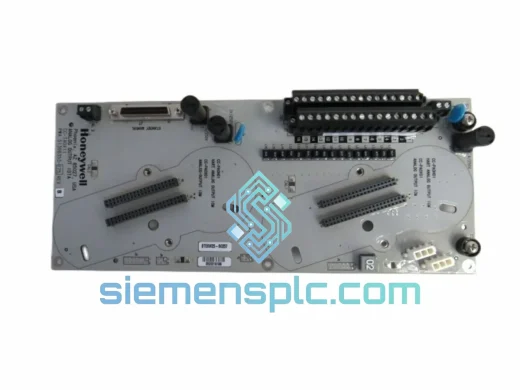
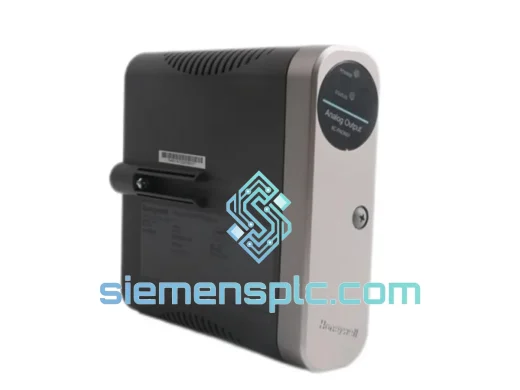
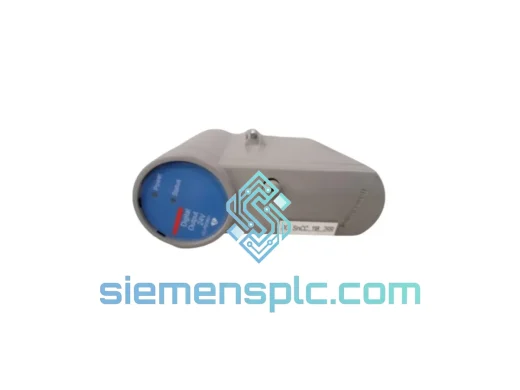
Honeywell CC-PDOB11 Digital Output Module – Experion PKS C300
Experion PKS
Origin US
Digital Output Module
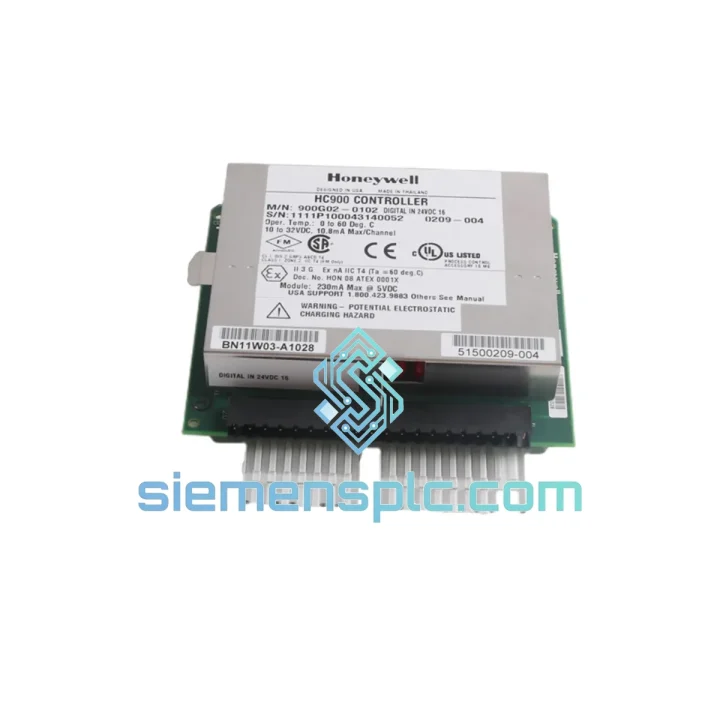
Request verified availability, condition, replacement risk review, packing options and courier lead time for 900G02-0102.
Click Request Quote and the part number is inserted into the inquiry form automatically.
Core fields for model confirmation and RFQ routing. Detailed product narrative remains below.
It’s 2 AM. Your crude distillation unit just tripped on a bad AI card. The board is dark, the operators are on the phone, and every minute offline is burning through your margin. You’ve been here before — and you know the difference between a supplier who ships in three weeks and one who ships today. The Honeywell 900G02-0102 is on our shelf in Xiamen, tested, verified, and ready to move the moment you confirm the order. We’ve done this hundreds of times. Let’s get your plant back up.
URGENT REQUIREMENT? Contact: [email protected] | WhatsApp: +86 18359268345
| Part Number | 900G02-0102 ✅ Ready to Ship |
| Manufacturer | Honeywell Process Solutions |
| Module Type | High-Density Analog Input Module |
| Compatible Platform | Experion PKS (R400–R520), TDC 3000 Series C |
| Input Signal Types | 4–20 mA, 1–5 VDC, TC (J/K/T/E/R/S/B), RTD (Pt100, Pt200, Ni120) |
| Channel Count | 16 channels, individually configurable |
| Resolution | 16-bit A/D conversion |
| Accuracy | ±0.1% of full scale |
| Isolation | Channel-to-channel + channel-to-bus optical isolation |
| Backplane Power | 24 VDC via Series 900 backplane |
| Operating Temperature | 0°C to +60°C |
| Humidity | 5–95% RH, non-condensing |
| Communication | Honeywell FTE / CEE backplane bus |
| Firmware | Field-upgradeable via Experion Engineering Tools |
| Certifications | CE, UL, FM Class I Div. 2, ATEX Zone 2 |
| MTBF | >200,000 hours |
| Hot-Swap | Yes — live replacement without process shutdown |
| Stock Status | ✅ In Stock — Ships within 24 hours of order confirmation |
After pulling hundreds of these cards in the field, here’s what actually matters when you’re doing a hot swap under pressure:
Step 1 — Confirm the fault before you pull the card. In Experion Station, navigate to the C300 controller faceplate → I/O Link → locate the suspect 900G02-0102 slot. Look for a solid amber or red LED on the module front panel. Cross-check with the system alarm log: fault codes AIMOD_FAIL, CHAN_OOR (channel out of range), or COMM_LOSS on the CEE bus are the three most common culprits. Don’t swap a card that’s showing a field wiring fault — you’ll just pull a good module.
Step 2 — Check firmware revision before insertion. The replacement 900G02-0102 must match or exceed the firmware revision of the failed unit. Mismatched firmware between the module and the C300 controller can cause the new card to come up in a degraded state. Pull the revision from the Experion Engineering Tools → Hardware Assignment screen before you open the box. If the replacement is on an older revision, upgrade it at the bench using the Honeywell Field Device Manager before installing.
Step 3 — Slot addressing is automatic, but verify it. The 900 Series uses backplane auto-addressing — there are no DIP switches or rotary encoders to set on this module. Slot position determines the I/O address. Confirm the replacement goes into the exact same slot as the failed unit. If you’re moving it to a different slot for any reason, you must update the hardware assignment in Experion Engineering Tools and download to the C300 before the module will be recognized.
Step 4 — Insertion sequence matters. With the system live, insert the module firmly until the ejector tabs click. The module will self-initialize within 15–30 seconds. Watch the front panel LED: green solid = healthy, amber flashing = initializing (normal), red = fault. If it stays red after 60 seconds, check the CEE bus termination on the backplane — a loose terminator on either end of the I/O bus is a common cause of new-card rejection.
Common fault codes and what they actually mean:
AIMOD_FAIL — Module hardware failure. Replace the card. This is the one you’re dealing with right now.CHAN_OOR — One or more channels reading outside configured engineering range. Check field wiring and transmitter power before blaming the module.COMM_LOSS — Module not communicating on CEE bus. Check backplane seating, bus termination, and C300 controller health first.CJC_FAIL — Cold junction compensation failure on thermocouple channels. Usually indicates a failed CJC sensor on the terminal block assembly, not the module itself.PWR_FAIL — Backplane power below threshold. Check the 24 VDC power supply feeding the I/O chassis before swapping the module.The 900G02-0102 was not designed for a climate-controlled server room. It was built for the kind of environments where your instrumentation techs wear hard hats and the ambient temperature swings 40 degrees between day and night shifts.
The module’s optical isolation architecture — channel-to-channel and channel-to-bus — provides genuine protection against ground loops and common-mode noise that routinely corrupt readings on lesser hardware. In refinery environments where variable-frequency drives and high-current motor starters share cable trays with signal wiring, this isolation is the difference between a stable loop and a process that hunts constantly.
Vibration tolerance is built into the backplane mounting system. The module locks into the Series 900 chassis with a positive mechanical latch that maintains electrical contact even in environments with continuous low-frequency vibration from rotating equipment. We’ve seen these cards run for 12+ years in compressor station control rooms without a single contact issue.
The conformal coating on the PCB provides protection against humidity and airborne contaminants — a critical feature in coastal petrochemical facilities and offshore platforms where salt-laden air accelerates corrosion on unprotected boards. Operating range of 5–95% RH non-condensing covers virtually every industrial environment short of direct water exposure.
Thermal management is passive — no fans, no moving parts. The module dissipates heat through the backplane and chassis structure. In properly ventilated cabinets operating within the 0–60°C range, thermal-related failures are essentially non-existent. The >200,000-hour MTBF figure reflects this: in practice, these modules outlast the control systems they’re installed in.
Our warehouse is in Xiamen, China — one of the country’s primary export hubs with direct access to DHL, FedEx, and UPS international gateways. Here’s exactly what happens after you confirm an order:
For genuine emergencies — plant down, production stopped — tell us when you contact us. We will prioritize your shipment above standard queue and can arrange same-day dispatch for orders confirmed before 14:00 CST. We’ve shipped to refineries in Saudi Arabia, power plants in India, and chemical facilities in Germany on 48-hour turnarounds. It’s not unusual. It’s what we do.
All shipments include full commercial documentation for customs clearance. We handle export licensing for controlled items where applicable. If your facility requires a specific carrier or account number, we accommodate that at no additional charge.
Email: [email protected]
WhatsApp: +86 18359268345
Web: siemensplc.com
© 2026. All rights reserved.
We check the full part number, brand, series and visible nameplate information before quotation.
Sales confirms stock path, condition option, quantity and realistic lead time for export dispatch.
DHL, FedEx, UPS or buyer courier arrangements can be reviewed with packing requirements.
Similar brand or category products for fast comparison and multi-item RFQ lists.