Bently Nevada
RFQ Ready
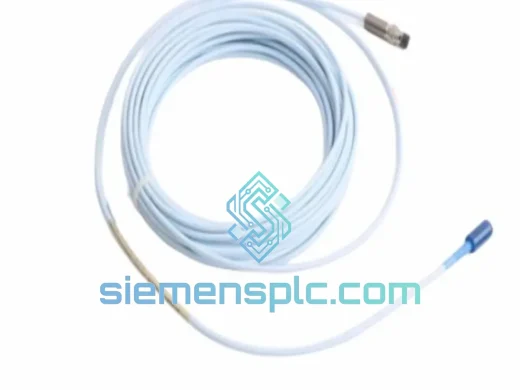
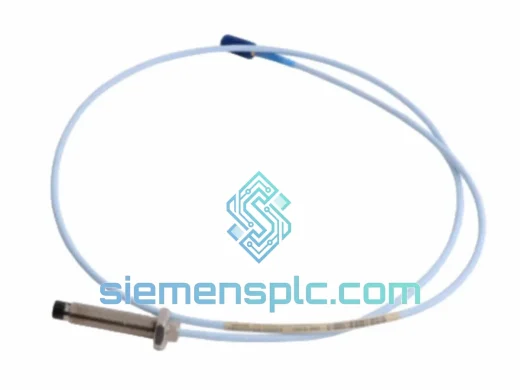
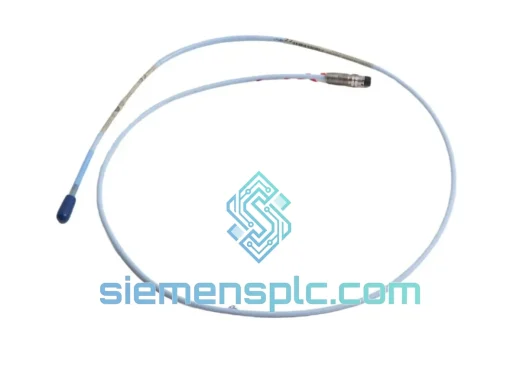
Bently Nevada 330196-05-30-10-00 Proximity Probe – 3300 XL ETR
3301
Origin US
Proximity Probe
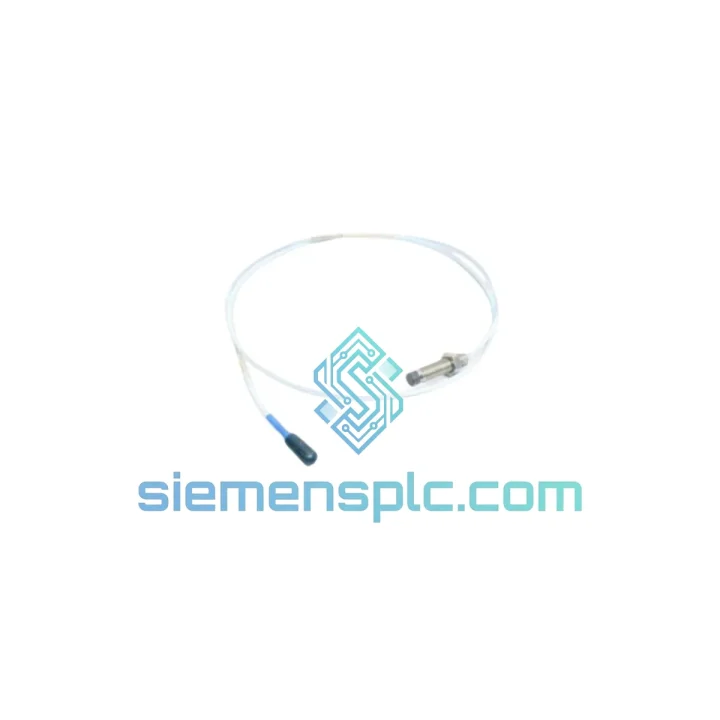
Request verified availability, condition, replacement risk review, packing options and courier lead time for 330101-00-18-10-02-00.
Click Request Quote and the part number is inserted into the inquiry form automatically.
Core fields for model confirmation and RFQ routing. Detailed product narrative remains below.
Every minute a turbine or compressor sits idle costs real money. When your 3300 XL proximity probe fails — whether it’s a shorted cable, a cracked tip, or a drift that’s pushed your vibration reading out of the linear range — you don’t have time to wait three weeks for a factory order. We stock the Bently Nevada 330101-00-18-10-02-00 in Xiamen, verified, boxed, and ready to clear customs today. One call, one shipment, machine back online.
URGENT REQUIREMENT? Contact: [email protected] | WhatsApp: +86 18359268345
| Parameter | Specification |
|---|---|
| Manufacturer | Bently Nevada (Baker Hughes) |
| Part Number | 330101-00-18-10-02-00 |
| Series | 3300 XL 8mm Proximity Transducer System |
| Sensing Technology | Eddy-Current (Non-contact) |
| Probe Tip Diameter | 8 mm |
| Integral Cable Length | 18 inches |
| Thread Size | M10 × 1 |
| Connector Type | 02-pin standard BN |
| Supply Voltage | −24 VDC nominal |
| Output Range | −1 VDC to −17 VDC |
| Sensitivity | 200 mV/mil (7.87 V/mm) |
| Linear Range | 10–90 mil (0.25–2.29 mm) |
| Operating Temperature | −35°C to +177°C |
| Agency Approvals | CE, FM Intrinsically Safe, CSA, RoHS |
| Target Material | AISI 4140 steel (standard); consult BN for non-standard alloys |
| Stock Status | ✅ Ready to Ship — Xiamen Warehouse |
After ten years of field work, these are the failure modes I see most often with the 330101 series — and the checks that save you from a second trip to the machine room.
1. Probe Gap Drift / False High Vibration Alert
The most common call-out. Before you condemn the probe, check the gap voltage at the Proximitor output. It should read between −10 VDC and −12 VDC at the nominal 50-mil (1.27 mm) gap. If you’re reading −17 VDC or −1 VDC, the probe has either backed out of its bracket or the tip is making contact. Re-gap first. If the output is still non-linear after re-gapping, the probe coil is suspect — replace it.
2. Intermittent Signal / Noise Spikes
Ninety percent of the time this is the integral cable, not the probe body. The 18-inch pigtail on the 330101-00-18-10-02-00 is the shortest in the 3300 XL range, which means it often runs through a tight conduit entry. Flex fatigue at the probe-body junction is the weak point. Inspect the cable jacket at the strain relief. If you see micro-cracking or the shield braid is exposed, the probe is done — no field repair is possible on the integral cable version.
3. Matching the Extension Cable
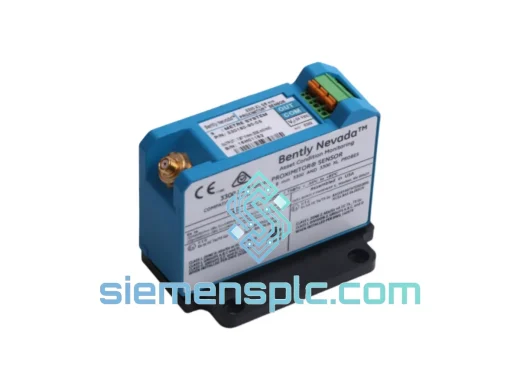
The 330101 probe must be paired with a 330130-XX-XX extension cable and a 330180-XX-XX Proximitor to form a calibrated system. Mixing cable lengths changes the total system inductance and shifts the sensitivity away from the factory-calibrated 200 mV/mil. Always replace as a matched set if the Proximitor is also suspect. Document the cable length (typically 5 m or 9 m) before ordering.
4. Target Material Compensation
The 330101 is factory-calibrated for AISI 4140 steel. If your shaft is 316 stainless, Inconel, or titanium, the effective sensitivity will differ. Bently Nevada publishes target material correction factors — apply them before declaring a probe out of spec. I’ve seen perfectly good probes condemned because the engineer forgot the shaft was 316 SS.
5. Replacement Procedure — Key Steps
The 330101-00-18-10-02-00 is built for environments that would destroy consumer-grade sensors in days. The probe body is machined from 316 stainless steel, providing genuine resistance to the sulfur-laden steam environments found in geothermal plants and the caustic wash-down cycles common in petrochemical facilities. The ceramic-filled epoxy tip withstands continuous exposure to lube oil, seal gas, and process condensate without swelling or cracking.
Vibration immunity is not an afterthought. The probe assembly is rated to withstand 20 g sinusoidal vibration across 10–2000 Hz — meaning the probe itself will not generate false signals even when mounted on a bearing housing that is already vibrating. The integral cable uses a double-shielded coaxial construction that rejects electromagnetic interference from adjacent VFDs, motor starters, and high-current bus bars, which are the primary sources of noise contamination in modern machine rooms.
Thermal cycling is where many third-party alternatives fail. The 3300 XL probe is designed for a −35°C to +177°C operating range, but more importantly, the calibration remains stable across that range. The eddy-current coil is wound with a temperature-compensated formulation that holds sensitivity within ±1% across the full thermal envelope — critical for outdoor installations in northern climates where ambient temperature swings of 60°C between seasons are routine.
Our warehouse is located in Xiamen, Fujian Province, China — one of China’s primary export hubs with direct access to Xiamen Gaoqi International Airport and the Xiamen port complex. This geography is not accidental: it gives us same-day handoff to DHL Express and FedEx International Priority flights departing daily to major industrial hubs worldwide.
Standard Dispatch Timeline:
Every shipment includes a full commercial invoice, packing list, certificate of origin, and HS code declaration (HS 8543.70 for proximity sensors) pre-prepared for customs clearance. For customers in countries with strict import controls, we can provide additional documentation including end-user declarations and material safety data sheets on request. Tracking numbers are issued within 2 hours of dispatch and sent directly to your registered email.
For plant shutdowns or emergency outages where standard express is not fast enough, contact us directly on WhatsApp — we have access to charter courier options and can coordinate with your freight forwarder for airport-to-airport shipments when the situation demands it.
📧 Email: [email protected]
📱 WhatsApp: +86 18359268345
🌐 Web: siemensplc.com
© 2026 siemensplc.com. All rights reserved.
We check the full part number, brand, series and visible nameplate information before quotation.
Sales confirms stock path, condition option, quantity and realistic lead time for export dispatch.
DHL, FedEx, UPS or buyer courier arrangements can be reviewed with packing requirements.
Similar brand or category products for fast comparison and multi-item RFQ lists.