Bently Nevada
RFQ Ready
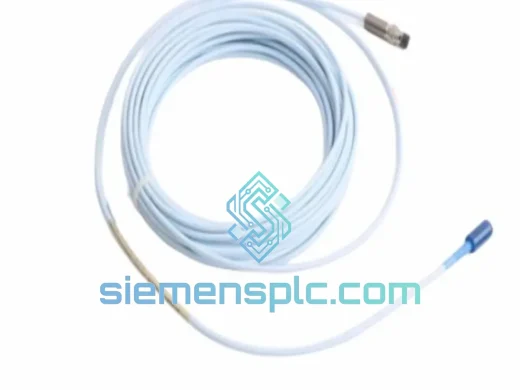
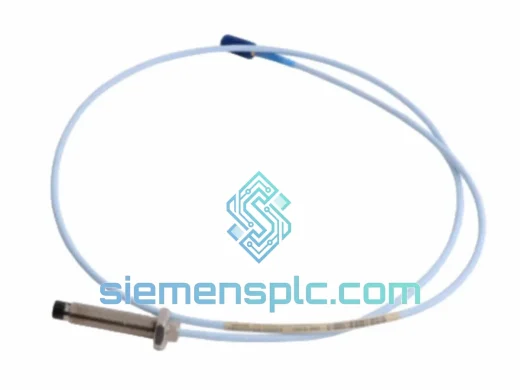
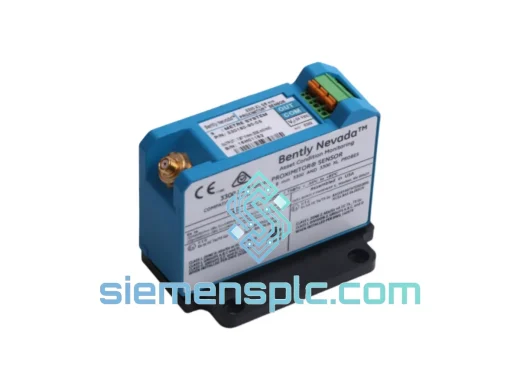
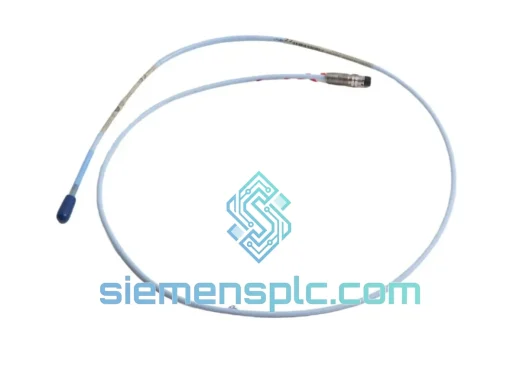
Bently Nevada 330196-05-30-10-00 Proximity Probe – 3300 XL ETR
3301
Origin US
Proximity Probe
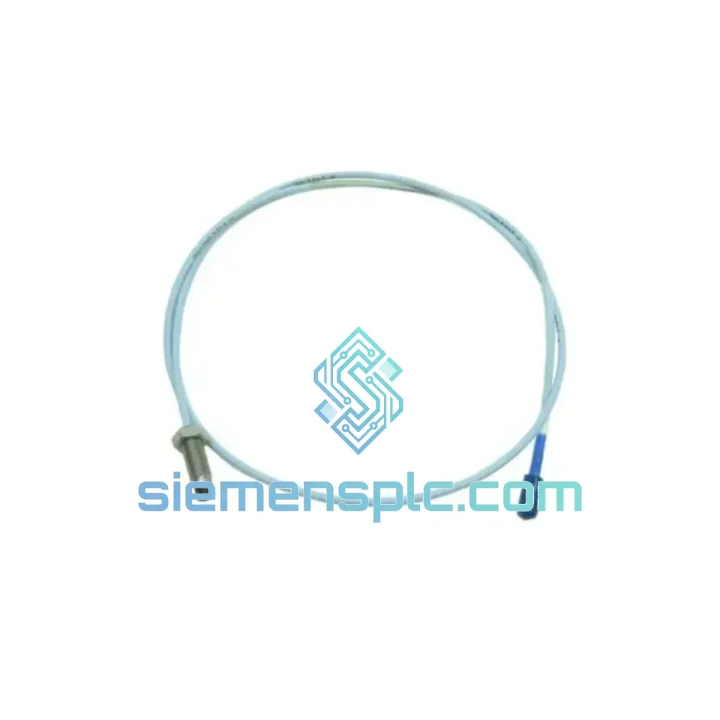
Request verified availability, condition, replacement risk review, packing options and courier lead time for 330103-00-05-50-02-05.
Click Request Quote and the part number is inserted into the inquiry form automatically.
Core fields for model confirmation and RFQ routing. Detailed product narrative remains below.
Every hour a critical rotating machine sits idle costs real money — turbine trips, compressor shutdowns, boiler feed pump failures. When your Bently Nevada 3300 XL proximity probe chain goes down, you don’t have time to chase lead times through OEM channels. The 330103-00-05-50-02-05 is on the shelf in Xiamen right now. We’ve shipped this exact part number to petrochemical plants, power stations, and LNG terminals across four continents. Same-day dispatch is not a marketing line — it’s the only way we operate.
URGENT REQUIREMENT? Contact: [email protected] | WhatsApp: +86 18359268345
| Part Number | 330103-00-05-50-02-05 ✅ Ready to Ship |
| Brand | Bently Nevada |
| Series | 3300 XL |
| Probe Diameter | 8 mm |
| Sensing Technology | Eddy Current (Non-contact) |
| Probe Cable Length | 5 m (armored, oil-resistant jacket) |
| Bias Voltage Output | −24 VDC nominal |
| Linear Measurement Range | 0.25 mm – 2.25 mm (10 – 90 mil) |
| Scale Factor | 7.87 V/mm (200 mV/mil) |
| Frequency Response | DC – 10,000 Hz (−3 dB) |
| Operating Temperature (Probe Tip) | −35°C to +177°C |
| Standard Target Material | AISI 4140 steel |
| Connector Type | BNC / Bently Nevada proprietary |
| Compliance | API 670, CE |
| HS Code | 9031.80 |
| Country of Origin | United States |
| Stock Status | ✅ In Stock — Ready to Ship from Xiamen |
Most common failure modes for the 330103-00-05-50-02-05:
1. Bias voltage out of range (most frequent call I get at 2 AM)
Expected bias at the driver output: −10.0 VDC to −18.0 VDC with the probe installed and gap set correctly. If you’re reading −24 VDC (rail voltage), the probe cable is open — check the armored jacket for crush damage at conduit entry points. If you’re reading 0 VDC, the probe tip is shorted to the target or the driver is dead. Swap the probe first; drivers fail less often.
2. Intermittent high vibration spikes — not a machine problem
Before you pull the bearing housing apart, check the BNC connector at the junction box. Moisture ingress causes intermittent contact resistance that the monitor reads as vibration. Clean with contact cleaner, re-torque to finger-tight plus 1/4 turn. If the spike disappears, you found it.
3. Gap setting after probe replacement
Target gap for standard 8mm probe on AISI 4140 shaft: 1.0 mm ± 0.1 mm (40 mil ± 4 mil). This puts the bias output at approximately −10.5 VDC to −11.5 VDC. Use a non-magnetic feeler gauge — a steel gauge will throw your reading. Confirm with a calibrated voltmeter at the driver output before buttoning up the bearing housing.
4. Total cable length — the mistake that wastes a shutdown window
The 330103-00-05-50-02-05 has a 5 m probe cable. Your driver (330180 series) is calibrated for a specific total cable length — typically 5 m or 10 m total. If your driver is calibrated for 10 m total, you need a 5 m extension cable (330130-080-00-05) in addition to this probe. Verify the driver label before you order. Getting this wrong means the scale factor is off and your vibration readings will be inaccurate even though the system appears to work.
5. Non-standard target materials
If your shaft is Inconel, titanium, or a duplex stainless, the 200 mV/mil scale factor does not apply. You’ll need a field calibration or a specially ordered probe. AISI 4140 and most carbon steels are fine out of the box.
Replacement procedure (condensed field checklist):
The 3300 XL probe series was not designed for a lab. It was designed for the inside of a turbine enclosure where ambient temperatures swing from cold startup to sustained 150°C+ operation, where lube oil mist coats every surface, and where the machine vibrates at frequencies that loosen anything not properly secured.
The armored cable on the 330103-00-05-50-02-05 uses a stainless steel braid over a PTFE-insulated conductor — it resists hydrocarbon oils, steam condensate, and the mechanical abrasion of routing through tight conduit runs. The probe body itself is 316 stainless steel with a ceramic-filled epoxy tip, rated to 177°C continuous at the sensing face. We’ve seen these probes outlast the machines they monitor when installed correctly.
Vibration resistance: the probe and cable assembly is qualified to withstand 20g sinusoidal vibration across 10–2,000 Hz per IEC 60068-2-6. In practice, the most common mechanical failure point is the locknut backing off due to inadequate torque — not the probe itself. Use medium-strength thread locker and torque to spec every time.
Humidity and ingress: the probe tip is sealed; the cable jacket is rated IP67 when the BNC connector is properly mated and the junction box is sealed. In high-humidity environments (coastal plants, cooling tower areas), apply silicone grease to the BNC threads before mating. This is a five-second step that prevents a four-hour troubleshooting session six months later.
Stock is held in Xiamen, China — one of the best-connected export hubs in Asia with direct DHL and FedEx gateway access. Here’s how a typical emergency order moves:
For plant shutdowns with hard restart deadlines, contact us directly on WhatsApp before placing the order. We’ll confirm stock, cut time, and freight options in one message. We’ve coordinated Saturday pickups and holiday dispatches for customers who needed it — just ask.
Email: [email protected]
WhatsApp: +86 18359268345
Web: siemensplc.com
© 2026 siemensplc.com. All rights reserved.
We check the full part number, brand, series and visible nameplate information before quotation.
Sales confirms stock path, condition option, quantity and realistic lead time for export dispatch.
DHL, FedEx, UPS or buyer courier arrangements can be reviewed with packing requirements.
Similar brand or category products for fast comparison and multi-item RFQ lists.