KAWASAKI
In Stock OK
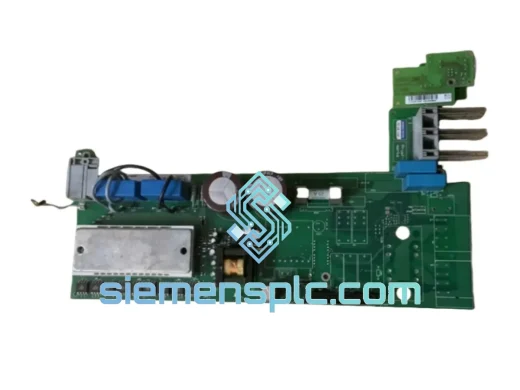
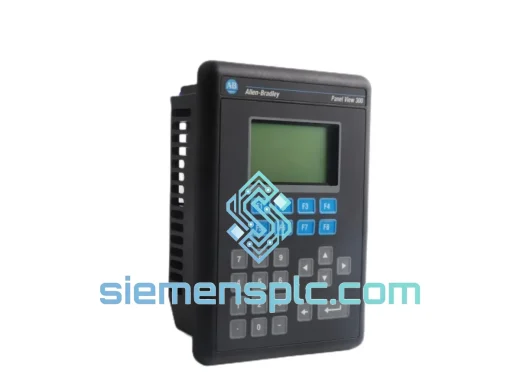
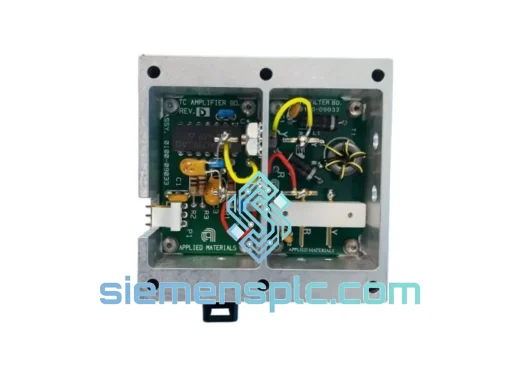
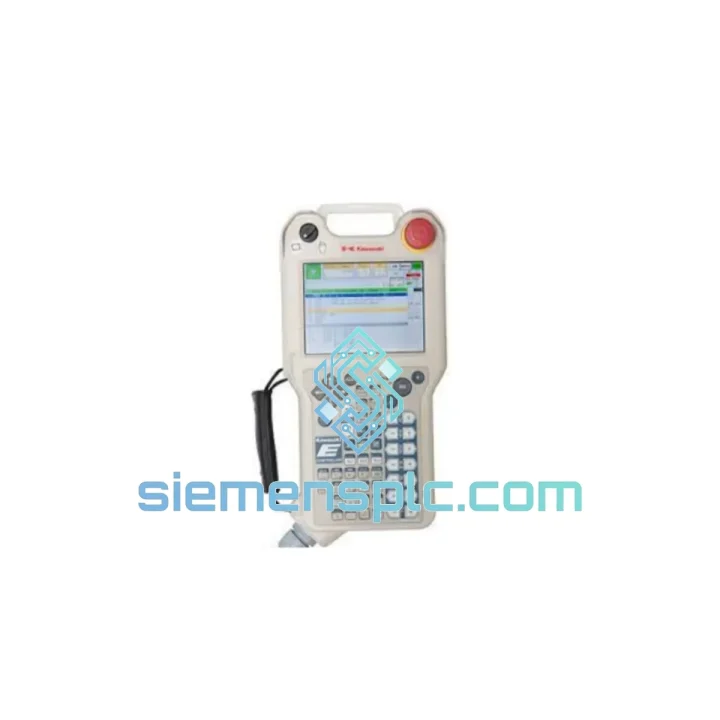
Kawasaki 50817-0128L05 HMI Display Module – Robot Controller Series
Request verified availability, condition, replacement risk review, packing options and courier lead time for 50817-0128L05.
BrandKAWASAKI
Part Number50817-0128L05
ConditionAvailability Check
Lead TimeRFQ Confirmation
DocumentsDatasheet / photos by RFQ
ShippingExport packing available
Auto-filled RFQ
50817-0128L05
Click Request Quote and the part number is inserted into the inquiry form automatically.
- Reply by email: [email protected]
- WhatsApp / Tel: +86 18359268345
- Mon-Sat 9:00-18:00 GMT+8
Procurement Data
Key Product Information
Core fields for model confirmation and RFQ routing. Detailed product narrative remains below.
- Brand
- KAWASAKI
- Primary Part Number
- 50817-0128L05
- Product Type
- HMI Display Module
- Series / Family
- Robot
- Manufacturer
- Kawasaki Heavy Industries, Ltd.
- Country of Origin
- Japan
- Catalog Category
- HMI Panels
- Operating Temp.
- 0 °C to +55 °C (storage: −20 °C to +70 °C)
- Humidity
- 5% to 95% RH, non-condensing
- Warranty
- 12 months functional warranty from shipment date
Model confirmed for inquiry
50817-0128L05
Send quantity, destination and urgency. The RFQ form keeps this part number attached.
Request Quote
Product Overview
Kawasaki 50817-0128L05 — Operator Display Interface for Industrial Robot Controller Cabinets
The Kawasaki 50817-0128L05 is a dedicated HMI screen display module integrated into Kawasaki robot controller cabinets as the primary operator-facing interface. Within the control loop, this unit occupies the terminal layer of the human-machine interface stack: it receives rendered frame data from the controller’s main CPU board via the internal display bus, converts that data into a visible raster output, and simultaneously relays operator keypad inputs back upstream to the motion-control processor. Without a functioning display module, the controller cannot present alarm codes, axis position feedback, program execution state, or I/O diagnostic data to the maintenance engineer — making this component a hard dependency for any production-critical Kawasaki robot cell.
Unlike generic industrial monitors, the 50817-0128L05 is engineered to Kawasaki’s OEM connector pinout, backlight drive voltage, and display-bus protocol. Substituting a non-OEM panel risks signal timing mismatches that manifest as flickering, partial rendering, or complete display loss under high CPU load cycles. This unit eliminates that risk entirely.
Real-time Stock & RFQ: [email protected] | WhatsApp: +86 18359268345
Technical Parameters
| Parameter | Specification |
|---|---|
| Part Number / SKU | 50817-0128L05 |
| Manufacturer | Kawasaki Heavy Industries, Ltd. |
| Component Classification | Industrial HMI Screen Display Module |
| Target Platform | Kawasaki Robot Controller Cabinet Series |
| Display Interface | Proprietary Kawasaki internal display bus |
| Operator Input Relay | Bidirectional — keypad/teach pendant signal passthrough |
| Operating Temperature | 0 °C to +55 °C (storage: −20 °C to +70 °C) |
| Humidity Tolerance | 5% to 95% RH, non-condensing |
| Vibration Resistance | Compliant with IEC 60068-2-6 (factory floor vibration profile) |
| EMC Compliance | CE Directive 2014/30/EU; RoHS 2011/65/EU |
| Unit Weight | Approx. 500 g |
| Condition Available | New OEM / Tested Refurbished (stated on invoice) |
| Warranty | 12 months functional warranty from shipment date |
| Country of Origin | Japan |
Hardware Logical Analysis
The 50817-0128L05 operates at the intersection of the controller’s display rendering pipeline and the physical operator layer. The following hardware design characteristics are relevant to maintenance engineers evaluating this module:
Display Bus Signal Integrity: Kawasaki robot controllers use a parallel or low-voltage differential signaling (LVDS) display bus routed from the CPU board to the display module. The 50817-0128L05 is terminated to match the impedance profile of this bus. Impedance mismatch — common with aftermarket panels — introduces reflections that degrade pixel clock integrity, producing visible artifacts at refresh rates above 60 Hz. The OEM module maintains the specified termination resistance, preserving signal integrity across the full operating temperature range.
Backlight Drive Circuit: The module’s backlight inverter is tuned to the controller cabinet’s internal DC supply rail (typically 12 V or 24 V DC depending on controller generation). The drive circuit includes soft-start logic to suppress inrush current spikes at power-on, protecting the cabinet’s power supply unit from repetitive stress during frequent controller cycling in multi-shift production environments.
EMC Shielding Architecture: The display panel assembly incorporates a grounded metallic bezel and shielded flat-flex cable (FFC) routing. This construction attenuates radiated emissions from the backlight inverter and display driver IC, keeping the module within CISPR 11 Class A limits — essential in robot cells where servo drive switching noise already occupies a broad frequency spectrum. The shield is bonded to the controller cabinet chassis ground, providing a low-impedance return path for any induced common-mode currents.
Thermal Management: The display driver IC is mounted on a thermally conductive substrate bonded to the rear panel frame. This passive conduction path transfers heat to the controller cabinet enclosure without requiring active cooling, maintaining junction temperature within datasheet limits at ambient temperatures up to 55 °C — consistent with the thermal envelope of enclosed robot controller cabinets in foundry and automotive welding environments.
Connector Keying and Locking: The OEM connector assembly uses a positive-locking ZIF (zero insertion force) mechanism for the FFC and a keyed multi-pin header for the power and signal harness. This prevents incorrect orientation during field replacement and eliminates the intermittent contact failures associated with non-keyed aftermarket connectors in high-vibration installations.
System Integration Benefits
- Zero Firmware Modification Required: The 50817-0128L05 is recognized natively by the Kawasaki controller firmware. No display calibration, EDID reprogramming, or driver update is needed post-installation, reducing mean time to repair (MTTR) to the physical swap duration only.
- Deterministic Alarm Visualization: The module renders alarm codes and fault states within the controller’s defined display refresh cycle, ensuring that time-critical fault notifications (e-stop triggers, servo overload, encoder loss) appear on screen within the controller’s guaranteed latency window — typically under 100 ms from fault detection to display update.
- Full I/O Diagnostic Transparency: Operators can monitor real-time I/O state, axis position, and program step via the display without requiring an external laptop or programming device, reducing diagnostic overhead during unplanned downtime events.
- Teach Pendant Signal Fidelity: The module’s bidirectional input relay preserves the signal timing of teach pendant commands, ensuring that jog operations and program edits are registered without latency artifacts that could compromise positioning accuracy during manual intervention.
- Vibration-Hardened Mounting: The panel assembly is designed for direct cabinet mounting with vibration-damped fastener points, maintaining display integrity in robot cells subject to continuous floor vibration from adjacent press or stamping equipment.
- Reduced Spare Parts Complexity: As a single-unit OEM replacement, the 50817-0128L05 eliminates the need to stock separate backlight, inverter board, and panel components — consolidating three potential failure points into one verified assembly.
- Compatibility Across Controller Generations: The module is designed for compatibility across the applicable Kawasaki controller series, reducing the number of display SKUs required in a multi-robot facility’s spare parts inventory.
- Traceable Supply Chain: Each unit shipped from siemensplc.com carries batch traceability documentation, supporting ISO 9001-compliant MRO procurement workflows and audit requirements in regulated manufacturing environments (automotive IATF 16949, pharmaceutical GMP).
Quality Assurance & Global Logistics
Every Kawasaki 50817-0128L05 unit dispatched from our Xiamen, China facility undergoes a pre-shipment functional inspection covering display output continuity, backlight activation, and connector integrity. Units are packed in anti-static ESD bags, cushioned within double-wall corrugated cartons rated for international air freight handling, and sealed with tamper-evident tape. Shipment documentation includes a packing list, commercial invoice with HS code declaration, and — upon request — a certificate of conformance.
From Xiamen, we dispatch via DHL Express, FedEx International Priority, and UPS Worldwide Expedited. Typical transit times: Southeast Asia 2–3 business days; Europe and North America 4–6 business days; Middle East and South America 5–8 business days. All shipments include a tracking number issued within 24 hours of dispatch. For volume orders requiring consolidated freight or LCL sea shipment, contact us for a tailored logistics quotation.
The 12-month warranty covers functional failure under normal operating conditions. Warranty claims are processed with a replacement-first policy: a replacement unit is dispatched upon receipt of the failed module and photographic evidence of the fault condition, minimizing production downtime for our customers.
Contact Information
Email: [email protected]
WhatsApp: +86 18359268345
Web: siemensplc.com
Location: Xiamen, China
© 2026 siemensplc.com. All rights reserved.
Ready to quote
[email protected]
Send This Part Number to Sales
RFQ workflow
Quality workflow ->
Confirmation Process
01Model confirmation
We check the full part number, brand, series and visible nameplate information before quotation.
02Availability reply
Sales confirms stock path, condition option, quantity and realistic lead time for export dispatch.
03Packing & courier
DHL, FedEx, UPS or buyer courier arrangements can be reviewed with packing requirements.
Continue sourcing
Browse full catalog ->
Related Automation Parts
Similar brand or category products for fast comparison and multi-item RFQ lists.
Siemens
RFQ Ready
Siemens 6AV7240-0HC07-0PA0 Industrial Panel PC Motherboard – SIMATIC IPC477D
SIMATIC
Origin DE
Industrial Panel PC Motherboard