Yokogawa
RFQ Ready
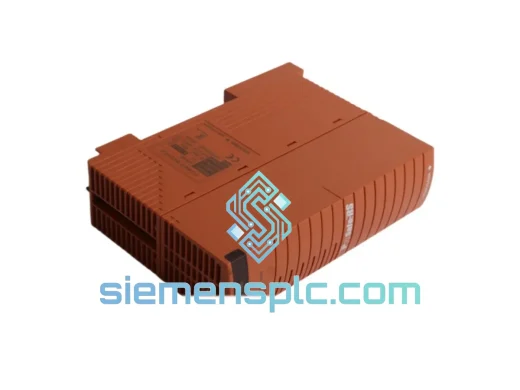
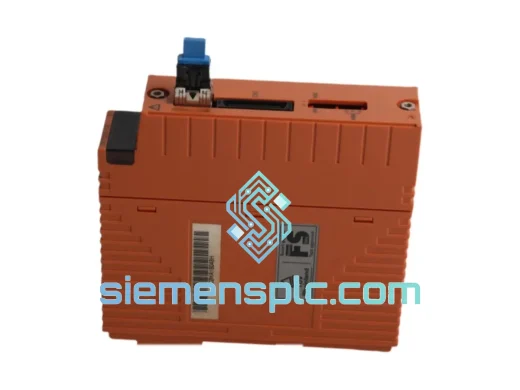
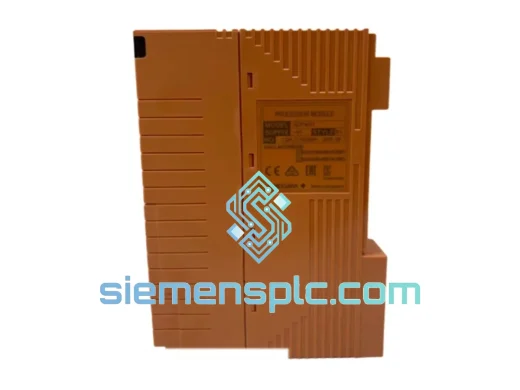
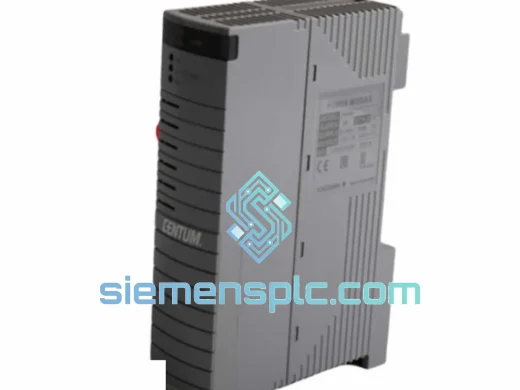
Yokogawa ASS9562DK-00 Analog Input Module – STARDOM FCN/FCJ
STARDOM
Origin JP
Analog Input Module
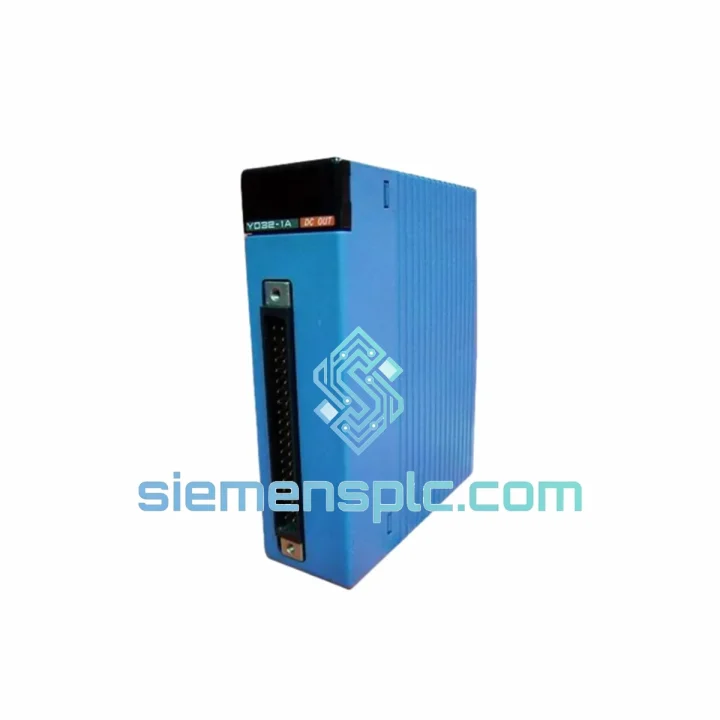
Request verified availability, condition, replacement risk review, packing options and courier lead time for F3XD32-3F.
Click Request Quote and the part number is inserted into the inquiry form automatically.
Core fields for model confirmation and RFQ routing. Detailed product narrative remains below.
Every hour your FCN rack sits idle with a failed I/O module, you’re bleeding production revenue. The YOKOGAWA F3XD32-3F is a 32-channel mixed digital I/O module built for the STARDOM FCN/FCJ distributed control platform — and we keep verified stock on the shelf precisely because field failures don’t schedule themselves. Whether you’re dealing with a blown optical isolator, a corrupted module firmware state, or a backplane communication fault, the fastest path back to green is a direct swap with a confirmed-genuine replacement unit. We ship same-day from Xiamen for orders confirmed before 15:00 CST.
URGENT REQUIREMENT? Contact: [email protected] | WhatsApp: +86 18359268345
| Parameter | Specification |
|---|---|
| Part Number | F3XD32-3F |
| Manufacturer | YOKOGAWA Electric Corporation |
| Platform / Series | STARDOM FCN / FCJ |
| Module Function | 32-Channel Digital Input / Output (Mixed) |
| Signal Type | Discrete (Digital) |
| Isolation | Optical isolation — channel to backplane bus |
| Bus Interface | FCN internal backplane bus |
| Programming Standard | IEC 61131-3 (LD, FBD, ST) |
| Operating Temperature | 0 °C to +55 °C |
| Storage Temperature | -20 °C to +70 °C |
| Relative Humidity | 5% to 95% RH, non-condensing |
| Mounting | FCN / FCJ base unit module slot |
| Certifications | CE, UL (ref. YOKOGAWA GS 34P02Q10-01E) |
| Weight | Approx. 290 g |
| Stock Status | ✅ Ready to Ship — Same-Day Dispatch Available |
| Lead Time (In-Stock) | Ships within 4 hours of order confirmation (before 15:00 CST) |
| Lead Time (Sourced) | 7–12 business days via global procurement network |
After ten years of emergency callouts, here’s what actually goes wrong with the F3XD32-3F in the field — and what to check before you pull the module:
Fault 1 — Module Not Recognized by FCN CPU (ERR LED solid red on slot)
This is the most common failure mode. The FCN CPU polls each slot at startup; if the F3XD32-3F fails to respond within the handshake window, the slot is flagged as faulted. Before condemning the module, reseat it firmly — the backplane connector pins on older FCN racks develop micro-oxidation that breaks the bus signal. If reseating clears the fault, clean the connector with IPA and a non-abrasive swab. If the fault persists after reseating, the module’s internal bus interface IC has likely failed and the unit needs replacement.
Fault 2 — Partial Channel Failures (some DI/DO points stuck ON or OFF)
Optical isolators on individual channels degrade over time, especially in environments with high inductive switching loads on the DO side. If you see a cluster of adjacent channels failing (e.g., channels 17–24 all stuck), this points to a shared isolator bank failure rather than field wiring. Swap the module first; if the fault follows the slot, it’s the rack. If it follows the module, replace the F3XD32-3F.
Fault 3 — Intermittent Communication Errors Under Vibration
FCN installations in compressor buildings or near heavy rotating equipment sometimes develop intermittent I/O faults that clear on their own. This is almost always a mechanical issue — the module is vibrating loose in the slot. Check the module locking tab and the rack mounting bolts. If the rack is not vibration-damped, add anti-vibration mounts. A module that has been vibrating loose for months will eventually develop solder joint fatigue on the backplane connector — at that point, replacement is the only fix.
Replacement Procedure — Key Steps:
The F3XD32-3F was not designed for a climate-controlled server room. YOKOGAWA built this module for the kind of environments where most electronics fail within months — and it has the field record to prove it.
The module’s optical isolation architecture physically separates field-side wiring from the backplane bus, meaning a field-side voltage spike — from a motor starter, a solenoid valve, or a lightning-induced transient — cannot propagate into the FCN CPU. This is not a software protection feature; it is a hardware barrier that remains effective even when the module is partially degraded.
Vibration tolerance is validated to IEC 60068-2-6 (sinusoidal) and IEC 60068-2-64 (random), covering the frequency ranges typical of pump stations, compressor halls, and offshore platform decks. The PCB assembly uses conformal coating on production variants intended for high-humidity environments, providing resistance to condensation cycles that would corrode unprotected boards within a single wet season.
Thermal performance is rated to +55 °C continuous ambient — not a peak rating, but a sustained operating limit. In practice, FCN racks with adequate cabinet ventilation maintain module temperatures well within this envelope even in Middle Eastern or Southeast Asian outdoor installations where ambient cabinet temperatures can reach 45 °C on summer afternoons.
MTBF figures published in YOKOGAWA’s reliability documentation place the F3XD32-3F in the same tier as other FCN I/O modules — designed for multi-year continuous operation between planned maintenance intervals. When a module does fail before its expected service life, it is almost always traceable to an external cause: field wiring fault, power quality issue, or mechanical damage during installation.
Our dispatch operation runs out of Xiamen, Fujian — one of China’s primary international freight hubs with direct DHL, FedEx, and UPS gateway connections. Here is exactly what happens after you confirm your order:
📧 Email: [email protected]
💬 WhatsApp: +86 18359268345
🌐 Web: siemensplc.com
© 2026 siemensplc.com. All rights reserved.
We check the full part number, brand, series and visible nameplate information before quotation.
Sales confirms stock path, condition option, quantity and realistic lead time for export dispatch.
DHL, FedEx, UPS or buyer courier arrangements can be reviewed with packing requirements.
Similar brand or category products for fast comparison and multi-item RFQ lists.