Sumitomo
In Stock OK
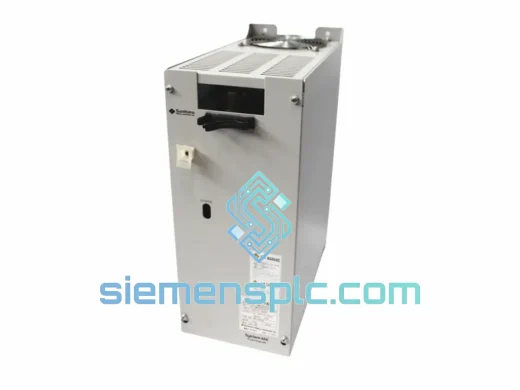
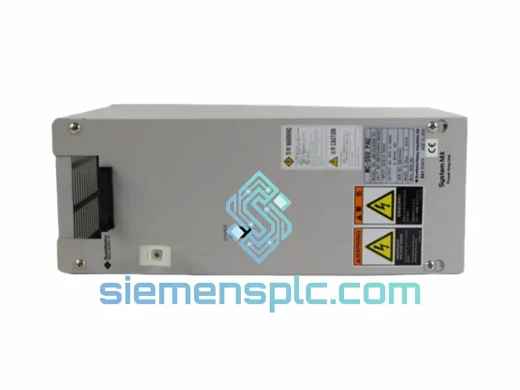
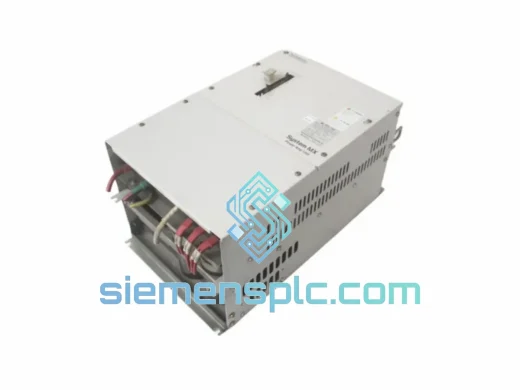
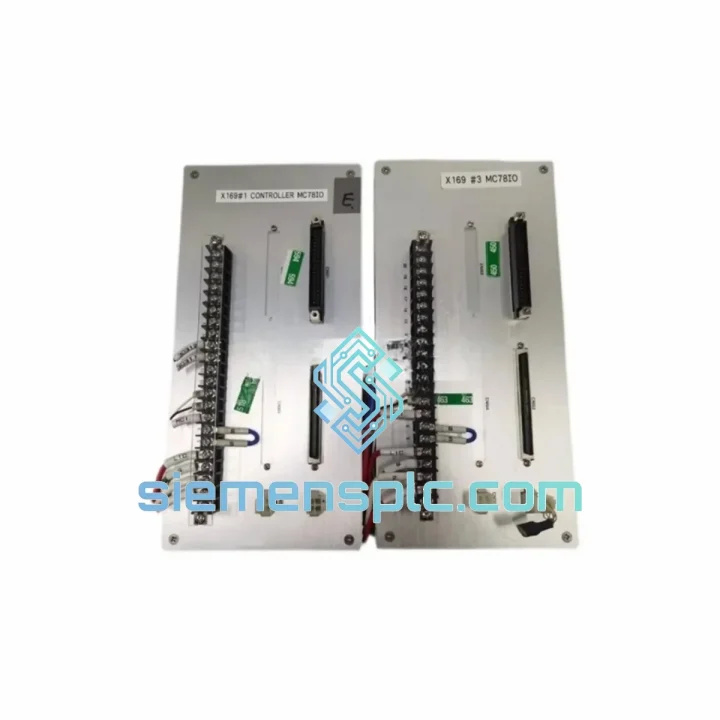
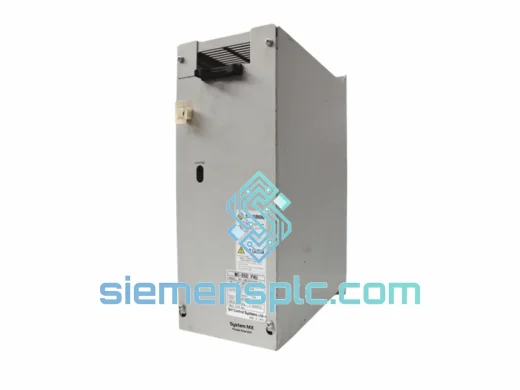
Sumitomo MC78IO Drive Power Module
Request verified availability, condition, replacement risk review, packing options and courier lead time for MC78IO.
BrandSumitomo
Part NumberMC78IO
ConditionAvailability Check
Lead TimeRFQ Confirmation
DocumentsDatasheet / photos by RFQ
ShippingExport packing available
Auto-filled RFQ
MC78IO
Click Request Quote and the part number is inserted into the inquiry form automatically.
- Reply by email: [email protected]
- WhatsApp / Tel: +86 18359268345
- Mon-Sat 9:00-18:00 GMT+8
Procurement Data
Key Product Information
Core fields for model confirmation and RFQ routing. Detailed product narrative remains below.
- Brand
- Sumitomo
- Primary Part Number
- MC78IO
- Product Type
- PLC Drive Power Module
- Product Family
- Other series
- Manufacturer
- Sumitomo Electric Industries
- Country of Origin
- Japan
- Catalog Category
- Motor Drives
- Operating Temp.
- 0°C to +55°C
- Compliance
- CE, RoHS
Model confirmed for inquiry
MC78IO
Send quantity, destination and urgency. The RFQ form keeps this part number attached.
Request Quote
Product Overview
Sumitomo MC78IO — Cut Downtime Short. Verified Stock Dispatches Today from Xiamen.
Production stopped. The MC78IO slot in your rack is dark, the CPU is throwing bus faults, and your maintenance team has already burned two hours chasing the wrong lead. You don’t need a catalog — you need a confirmed unit on its way to your dock. We stock the Sumitomo MC78IO in Xiamen and ship same-day on orders confirmed before 15:00 CST. No allocation queues, no distributor lead-time theater.
The MC78IO is the centralized power distribution backbone of Sumitomo’s MC-series rack architecture. It conditions and distributes regulated DC rails to every I/O module seated in the backplane. When it degrades, the failure mode is rarely clean — you get partial rack dropouts, intermittent comms faults, and CPU diagnostics that point everywhere except the actual root cause. Engineers waste hours swapping I/O cards before they finally pull the power module. Don’t repeat that cycle. If the rack is behaving erratically and you’ve already ruled out the supply voltage and backplane connector, the MC78IO is your next swap.
Every unit we ship is sourced directly from authorized Sumitomo distribution channels. Batch traceability documentation is available on request. We do not sell refurbished, remarked, or grey-market stock.
⚡ URGENT REQUIREMENT? Contact: [email protected] | WhatsApp: +86 18359268345
Quick Technical Datasheet
| Part Number | MC78IO |
| Manufacturer | Sumitomo Electric Industries |
| Series | MC-Series Industrial Automation Platform |
| Module Function | Rack Power Distribution / DC Bus Module |
| Mounting | Backplane Slot (MC-Series Rack) |
| Operating Temperature | 0°C to +55°C |
| Storage Temperature | -20°C to +70°C |
| Relative Humidity | 5% – 95% RH, non-condensing |
| Protection Class | IP20 |
| Compliance | CE, RoHS |
| Country of Origin | Japan |
| Unit Weight | ~1,600 g |
| Stock Status | ✔ Ready to Ship — Xiamen Warehouse |
Troubleshooting & Replacement Tips
Ten years of field calls on MC-series platforms teach you patterns. Here’s what actually happens when an MC78IO starts failing — and what trips engineers up during the swap.
How a Failing MC78IO Presents in the Field:
- Full rack blackout on power-up. No LED activity on any module. Before you start pulling I/O cards, check the MC78IO first — it’s the power source for everything else in that rack.
- Recurring “Bus Undervoltage” or “Power Fault” alarms that clear on power cycle but return within a shift. This is a classic degrading internal capacitor signature. The module is still partially functional but its output regulation is drifting under load.
- Selective I/O group dropouts. Some modules report healthy while others show “Module Not Responding.” This points to a collapsed secondary rail — the MC78IO is delivering partial voltage on one output while another has failed.
- Acrid smell or visible discoloration near the module slot. A shorted output stage generates heat. If you smell it, shut down immediately — continued operation risks backplane connector damage that turns a module swap into a rack replacement.
Before You Pull the Module — Pre-Swap Checklist:
- Measure input supply voltage at the MC78IO terminal block. Confirm it’s within the rated input range. An out-of-spec supply will destroy a new module within hours.
- Inspect the backplane connector on the rack side for bent pins, corrosion, or debris. A damaged rack connector produces identical symptoms to a failed module.
- Record the DIP switch or rotary address settings on all adjacent I/O modules before powering down. MC-series racks vary — some auto-address on power-up, others retain manual settings. Verify your system’s behavior in the hardware manual before assuming.
- Check the firmware revision label on the MC78IO being replaced. If your CPU enforces firmware version matching on power modules, the replacement unit must carry a compatible revision. A mismatch causes the CPU to reject the module or enter degraded operating mode without a clear fault code.
- Verify that the replacement MC78IO is the correct variant for your rack configuration. Some MC-series racks use slot-specific power modules — installing a module intended for a different slot position can cause silent faults.
Swap Procedure — Field-Tested Sequence:
- Initiate a controlled CPU shutdown. Avoid hard-cutting power while the rack is in RUN mode — an uncontrolled shutdown can corrupt retentive data in connected I/O modules.
- Isolate and lock out the input supply feeding the rack. Verify zero voltage at the MC78IO input terminals with a calibrated meter before touching the module.
- Release the module retention latch and extract the MC78IO straight out along the slot axis. Do not rock it laterally — the backplane connector is the most damage-prone point in this procedure.
- Inspect the replacement unit’s connector for any transit damage before insertion. A single bent pin on a new module is a common cause of “new part, same fault” callbacks.
- Seat the MC78IO firmly until the retention latch engages with an audible click. A partially seated module is electrically unreliable and will produce intermittent faults that are difficult to diagnose.
- Restore input power. Observe the module’s LED status sequence during startup. Solid green = normal. Flashing or red = fault condition. Cross-reference the blink pattern against the hardware manual’s diagnostic table.
- Force a full CPU scan cycle and confirm all I/O modules report healthy status in the diagnostic view before returning the line to production.
Reliability in Harsh Conditions
The MC78IO is not designed for a climate-controlled server room. It’s built for the floor — and the floor is a hostile environment for electronics.
Vibration Resistance: The module’s PCB assembly uses conformal coating and mechanically anchored component mounting to withstand sustained vibration from adjacent presses, compressors, and conveyor infrastructure. That said, the module can only absorb so much. If your rack mounting hardware is loose, the rack itself becomes a vibration amplifier. Torque all rack mounting bolts to specification and re-check them during scheduled maintenance intervals. A loose rack is the leading cause of premature module failure in high-vibration environments — not the module itself.
Thermal Cycling: Production panels heat up during shifts and cool overnight. The MC78IO’s capacitor selection and thermal layout are engineered for this cycling. However, if your panel lacks adequate ventilation and internal temperatures routinely exceed 50°C, capacitor electrolyte degrades faster than the rated MTBF assumes. If you’re replacing MC78IO units more frequently than expected, check panel internal temperature before blaming the module. Adding a panel cooling fan or improving cable management to allow airflow is often the fix.
Humidity and Condensation: The 5–95% RH non-condensing rating covers most factory environments. Condensation is a different problem entirely. If your panel is near a wash-down zone, or if rapid ambient temperature swings cause moisture to form on the PCB, conformal coating provides limited protection — it is not a waterproofing solution. A panel heater or desiccant pack is the correct mitigation. Address the environment, not just the module.
Electromagnetic Interference: Drive panels generate substantial EMI. Ensure the MC78IO rack is bonded to a clean earth ground and that signal cables are physically separated from high-current drive output cables. Inadequate grounding is a frequent root cause of unexplained module faults in drive-dense panels — and it’s the first thing to check before concluding the module is defective.
Global Express Logistics
Our warehouse operates in Xiamen — one of China’s primary international freight hubs with direct daily connections to DHL Express, FedEx International Priority, and UPS Worldwide Express networks. Here is exactly how your order moves from our shelf to your site:
- Order Cutoff: Orders confirmed before 15:00 CST (UTC+8) are processed for same-day dispatch. Orders received after cutoff ship the next business day without exception.
- Packaging Protocol: The MC78IO is wrapped in anti-static shielding, nested in custom-cut foam, and packed in a double-wall corrugated carton rated for international freight handling. Fragile and orientation labels are applied. We have shipped thousands of modules internationally — damage-in-transit is not a variable we accept.
- Carrier Selection: DHL Express is our default carrier for most destinations. FedEx International Priority is available on request. For Southeast Asian destinations, regional express options with accelerated customs clearance are available — ask us when you order.
- Typical Transit Times: Southeast Asia 1–2 business days | Europe 2–3 business days | North America 2–4 business days | Middle East and Africa 3–5 business days. These are real-world averages, not marketing estimates.
- Customs Documentation: Commercial invoice, packing list, and HS code declaration are prepared for every international shipment. Certificate of Origin is available on request. We handle the paperwork — you focus on getting your line back up.
- Shipment Tracking: A carrier tracking number is sent to your email within two hours of dispatch. We monitor active shipments and flag any customs holds or delays proactively.
- Emergency Freight: If your situation requires next-flight-out or hand-carry logistics, contact us directly on WhatsApp. We have coordinated emergency freight for unplanned plant shutdowns before. When the clock is running, we move accordingly.
Contact Information
Email: [email protected]
WhatsApp: +86 18359268345
Web: siemensplc.com
© 2026 siemensplc.com. All rights reserved.
Ready to quote
[email protected]
Send This Part Number to Sales
RFQ workflow
Quality workflow ->
Confirmation Process
01Model confirmation
We check the full part number, brand, series and visible nameplate information before quotation.
02Availability reply
Sales confirms stock path, condition option, quantity and realistic lead time for export dispatch.
03Packing & courier
DHL, FedEx, UPS or buyer courier arrangements can be reviewed with packing requirements.
Continue sourcing
Browse full catalog ->
Related Automation Parts
Similar brand or category products for fast comparison and multi-item RFQ lists.
Sumitomo
RFQ Ready
Sumitomo UMC554000-03 AC Servo Drive – PAU Series
omo UMC554000-03 PAU Series
Origin Japan
AC Servo Drive