Bently Nevada
RFQ Ready
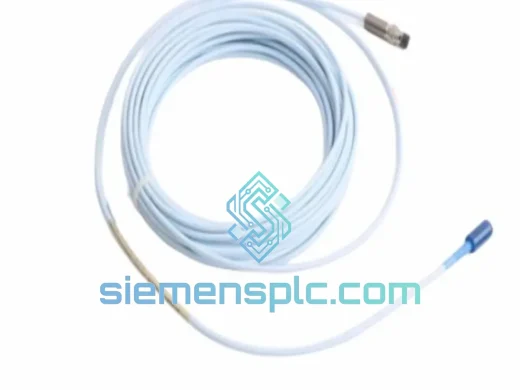
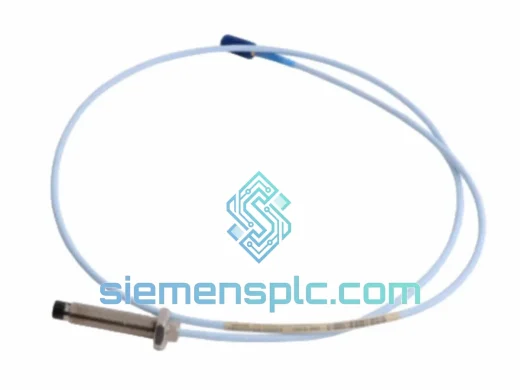
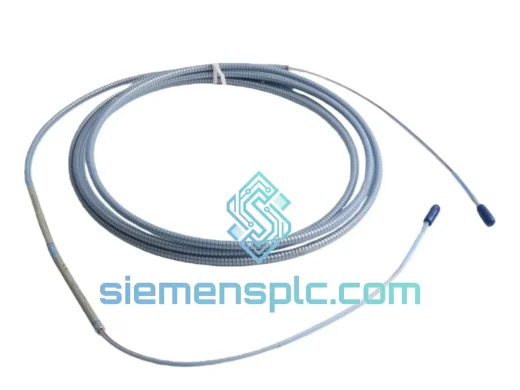
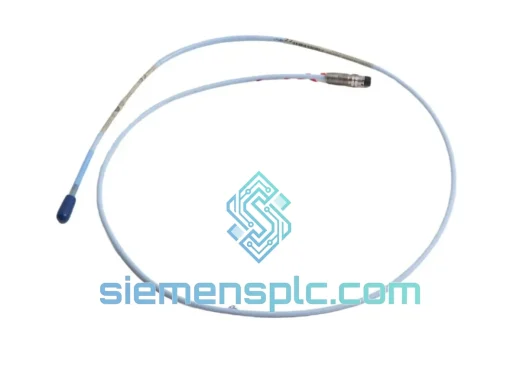
Bently Nevada 330196-05-30-10-00 Proximity Probe – 3300 XL ETR
3301
Origin US
Proximity Probe
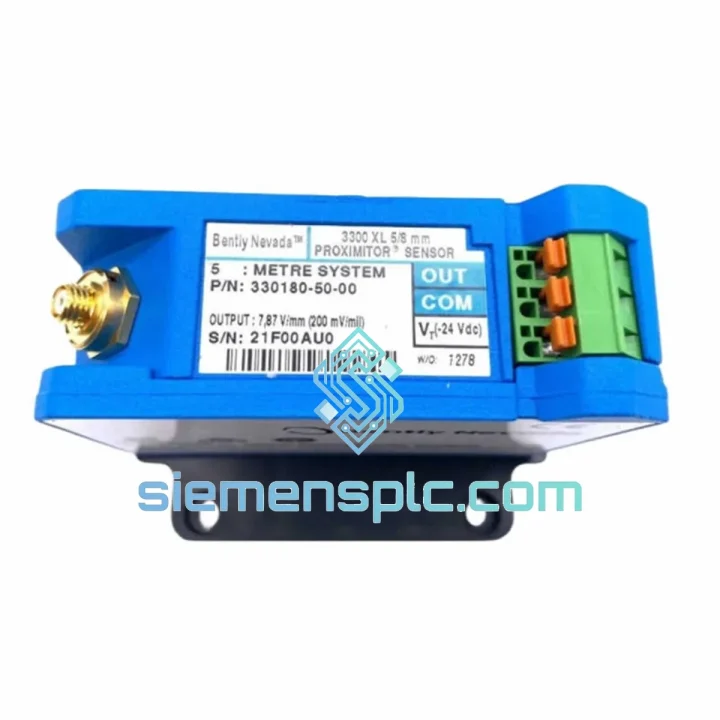
Request verified availability, condition, replacement risk review, packing options and courier lead time for 330180-50-00.
Click Request Quote and the part number is inserted into the inquiry form automatically.
Core fields for model confirmation and RFQ routing. Detailed product narrative remains below.
Every minute your turbine or compressor train sits idle, you’re bleeding money. A failed proximity sensor shouldn’t be the reason your plant stays down for days. The Bently Nevada 330180-50-00 3300 XL Proximitor Sensor2 is on our shelf in Xiamen right now — verified, tested, and ready to leave the warehouse today. We’ve shipped emergency replacements to refineries in the Middle East, power stations in Southeast Asia, and petrochemical complexes in Europe. When your machinery protection system throws a fault and your DCS goes into alarm, this is the part you need, and we have it.
This is not a listing page. This is a field-service resource. Read it, pull the specs, confirm your part number, and call us. We’ll handle the rest.
URGENT REQUIREMENT? Contact: [email protected] | WhatsApp: +86 18359268345
| Manufacturer | Bently Nevada (Baker Hughes) |
| Part Number | 330180-50-00 |
| Series | 3300 XL Proximitor Sensor2 |
| Sensor Type | Eddy-current non-contact proximity transducer |
| Output Signal | –24 VDC nominal |
| Measurement Range | 0–50 mil (0–1.27 mm) linear |
| Scale Factor | 200 mV/mil (7.87 V/mm) |
| Frequency Response | DC to 10,000 Hz |
| Supply Voltage | –24 VDC (–20 to –26 VDC) |
| Operating Temp (Sensor) | –35°C to +85°C |
| Operating Temp (Proximitor) | –35°C to +65°C |
| Cable Length | 5.0 m standard |
| Connector | 2-pin MIL-C-5015 style |
| Compliance | API 670, CE, FM, CSA |
| Weight (Assembly) | ~1,800 g |
| Stock Status | ✔ READY TO SHIP — Xiamen Warehouse |
After ten years of field work, here’s what actually goes wrong with the 330180-50-00 and what to watch for when you’re doing a hot swap under pressure.
Common Failure Signatures:
Step-by-Step Replacement Procedure:
Configuration Notes:
The 330180-50-00 was not designed for a clean lab. It was designed for the bearing housing of a 50 MW steam turbine running at 3,000 RPM in a tropical refinery with ambient temperatures pushing 55°C and humidity that corrodes everything that isn’t sealed. Bently Nevada built the 3300 XL Proximitor to survive exactly that environment, and the field record backs it up.
The Proximitor housing is sealed to IP67, meaning it withstands full immersion in water to 1 meter — relevant when steam leaks or wash-down operations are part of your maintenance routine. The internal electronics are potted in epoxy, eliminating the failure mode of vibration-induced solder joint cracking that plagues unsealed electronics in high-vibration installations. The sensor tip is constructed from stainless steel with a PEEK-insulated coil former, resistant to the hydrocarbon mists and H₂S atmospheres common in upstream oil and gas applications.
Vibration endurance testing per IEC 60068-2-6 confirms the assembly survives 20 g sinusoidal excitation across 10–2,000 Hz — well beyond the structural resonance frequencies of most machinery foundations. Thermal shock testing per IEC 60068-2-14 validates performance across the full –35°C to +85°C range without recalibration. In practice, units installed in gas turbine enclosures routinely operate for 5–8 years between planned replacements, with unplanned failures being the exception rather than the rule.
When a unit does fail, it fails cleanly — the OK relay opens, the monitor goes into alert, and your DCS gets the signal before the machinery is damaged. That’s the design intent, and it works.
Our warehouse is in Xiamen, China — one of the country’s primary export hubs with direct access to DHL, FedEx, and UPS international express networks. When you place an urgent order before 14:00 CST, we target same-day dispatch. Here’s what the timeline looks like in practice:
We’ve shipped to offshore platforms via helicopter-transfer logistics, to landlocked countries via road-freight relay from the nearest hub airport, and to plants under turnaround with 24-hour security escort requirements. If your delivery situation is complicated, tell us — we’ve handled it before.
Email: [email protected]
WhatsApp: +86 18359268345
Web: siemensplc.com
© 2026 siemensplc.com. All rights reserved.
We check the full part number, brand, series and visible nameplate information before quotation.
Sales confirms stock path, condition option, quantity and realistic lead time for export dispatch.
DHL, FedEx, UPS or buyer courier arrangements can be reviewed with packing requirements.
Similar brand or category products for fast comparison and multi-item RFQ lists.