
Two production areas share one tested S7-400 input spare. One area can tolerate a short interruption; the other has a narrow restart window and a long recovery sequence. Counting installed modules alone makes the two demands look equivalent. The maintenance consequences are not equivalent, and the stock policy should make that difference visible before both teams request the same spare.
This is a practical way to plan legacy S7-400 I/O reserves without inventing a universal stock ratio or treating an entire controller family as having one lifecycle date. Exact product status must be checked against the manufacturer record for each order number. This article does not announce a new cancellation date or claim that all S7-400 equipment has become unavailable.
Count functions before counting boxes
Start with the installed module reference and the function that would be lost. An input card carrying a process permissive has a different consequence from one used only for noncritical indication. An output card may affect several final elements at once. The relevant inventory unit is the recoverable function, not merely the number of similar gray modules in a cabinet.
The 6ES7421-1BL01-0AA0 SM 421 input module and the 6ES7422-1BL00-0AA0 SM 422 output module illustrate why procurement should preserve separate order numbers and roles. Neither should be represented by a single generic “S7-400 I/O spare” line. These links are exact-reference inquiry destinations, not a declaration that the modules are substitutes.
Use the current Siemens SM 421 product record and SM 422 product record to verify the applicable identity and lifecycle information. Record when the check was made and retain the relevant OEM evidence. A distributor’s general family description should not determine the reserve policy by itself.
Give every critical reference four planning values
Consequence: describe what happens when the module’s function is unavailable. Include the affected production area, restart burden and any quality implications. Where safety is involved, use the site’s approved risk process rather than assigning an informal purchasing score to a protective function.
Recovery time: estimate the complete repair path, not just delivery time. Diagnosis, access permission, installation, configuration checks and functional acceptance all consume time. A spare in the storeroom removes a shipping delay; it does not remove the need for a controlled repair.
Available alternatives: identify only alternatives that have actually been approved and can be used within the required window. An untested cross-reference, a module promised by another department or a possible redesign is not the same as a ready recovery option. Mark those items as proposals until the relevant review is complete.
Replenishment exposure: use a current written supply or repair assessment, with condition and commercial terms. Do not assume last year’s delivery experience still applies. Equally, do not turn a vague market warning into an unsupported claim of shortage. Separate confirmed offers from planning assumptions.
Resolve shared-stock ownership explicitly
Shared reserves can be sensible when sites are nearby, references are genuinely interchangeable and access is reliable. They become fragile when every department counts the same unit as its own dedicated backup. List which installed assets depend on each physical spare and identify the person who can release it during an outage.
Consider an illustrative case with three lines using one approved reference. A single reserve might cover an isolated failure, but it cannot cover two simultaneous demands. The planning team should examine plausible shared causes such as environmental exposure or a common maintenance event, rather than assuming independent failures. This is a scenario exercise, not a prediction that a particular batch will fail.
For geographically separated sites, include transport and access constraints. A stock item locked in another warehouse over a holiday may be commercially owned yet operationally unavailable. The allocation agreement should state who arranges transport and what happens if the donor site needs the same item before replenishment arrives.
Separate reserve stock from suspect and repair stock
A shelf count is misleading when it includes failed returns, untested purchases and units awaiting identification. Give each physical unit a clear release state. A suspected fault should remain visible until investigation resolves it; do not quietly move the module back into the ready bin because no obvious damage is visible.
Acceptance should be proportional to the intended use and available test capability. Identify the tested functions and the limitations. A supplier report may support release, but a generic “tested” label does not demonstrate the full installed application. Keep traceability between the actual unit, the evidence and the receiving decision.
Storage and handling also affect readiness. Use the manufacturer’s environmental and electrostatic precautions, suitable packaging and controlled access. The practical objective is that the module found during an outage is the same identified, protected and accepted unit that the inventory system describes.
Set a review trigger instead of buying indefinitely
A reserve policy should change when the installed base changes. Review it after a migration removes a major user, a spare is consumed, repair turnaround changes or the OEM status is updated. This keeps stock aligned with remaining service needs instead of accumulating parts for equipment that no longer exists.
For a future modernization, set an explicit bridge period. Estimate which functions must remain recoverable until the new system is accepted, then revisit the reserve after commissioning. Do not assume that a project purchase order ends the legacy maintenance obligation. The old system still needs support until the replacement can actually take over.
Questions from planners and buyers
Is one spare per ten modules a reliable rule?
Not by itself. It ignores consequence, shared causes, repair time and approved alternatives. Use installed quantity as one planning input, then justify the reserve against the specific recovery requirement.
Can an input spare cover an output failure?
No generic family label establishes that. Preserve exact order numbers and functions. Any proposed substitution requires its own engineering assessment; similar appearance is not evidence of interchangeability.
Does shared stock count as immediate availability?
Only when the unit is released, accessible and transportable within the required recovery window. An ownership entry without an allocation agreement can create false confidence.
What should we provide for a reserve-stock quotation?
Send complete references, required quantities, acceptable condition and destination. Distinguish ready reserve from repair candidates, and state the evidence needed for receiving acceptance rather than asking only for the lowest unit price.
Contact SiemensPLC for an exact-reference I/O quotation. We can clarify offered hardware and supply terms; your reliability and operations teams should retain the final decision on stock quantity, allocation and release criteria.
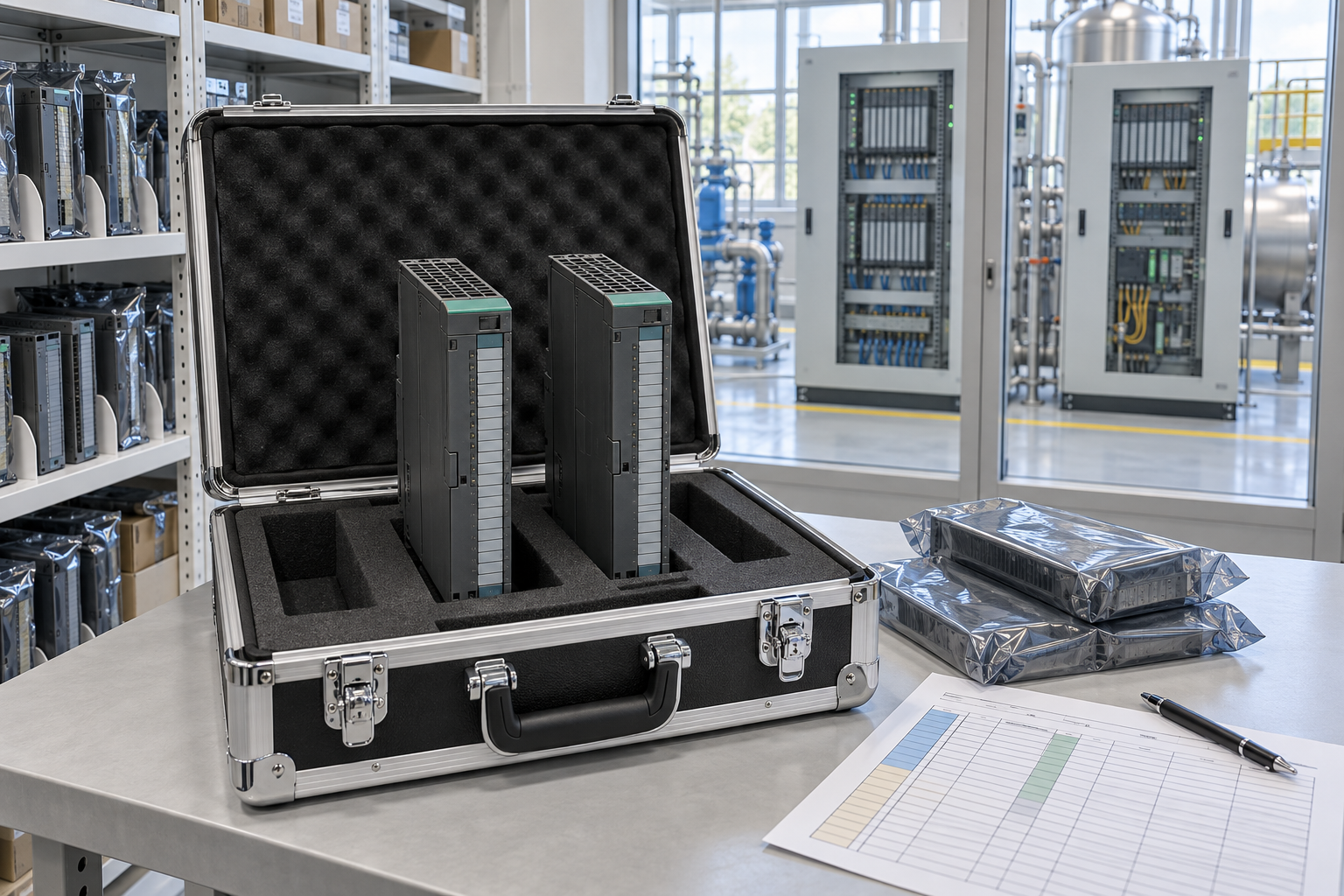
Image: AI-generated editorial illustration, not an exact product photograph or installation reference.
© 2026 SiemensPLC. All rights reserved. Official Website: https://siemensplc.com Inquiry: [email protected] | WhatsApp/Tel: +86 18359268345