ABB
RFQ Ready
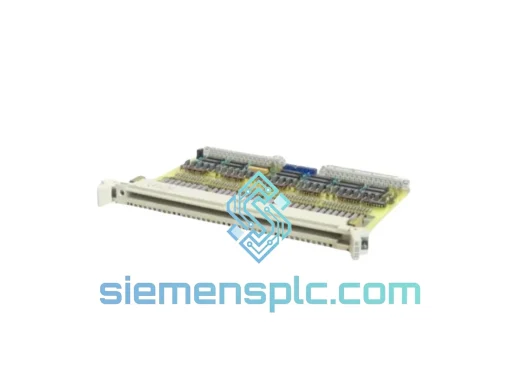
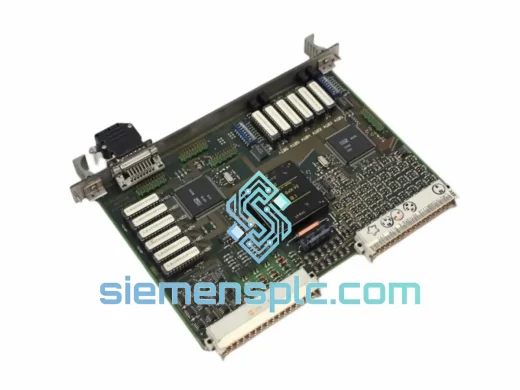
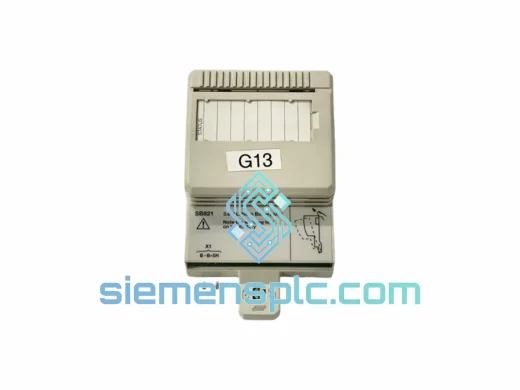
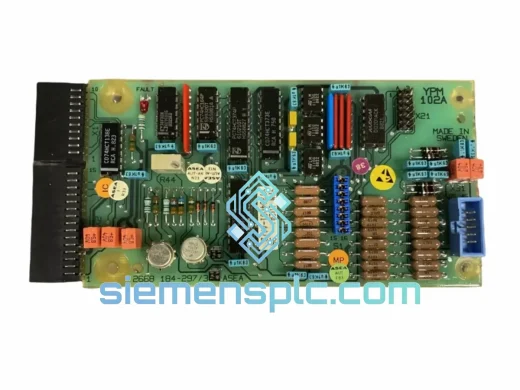
ABB YPM102A YT204001-AA Analog Output Module – AC 800M S800 I/O
S800
Origin SE
Analog Output Module
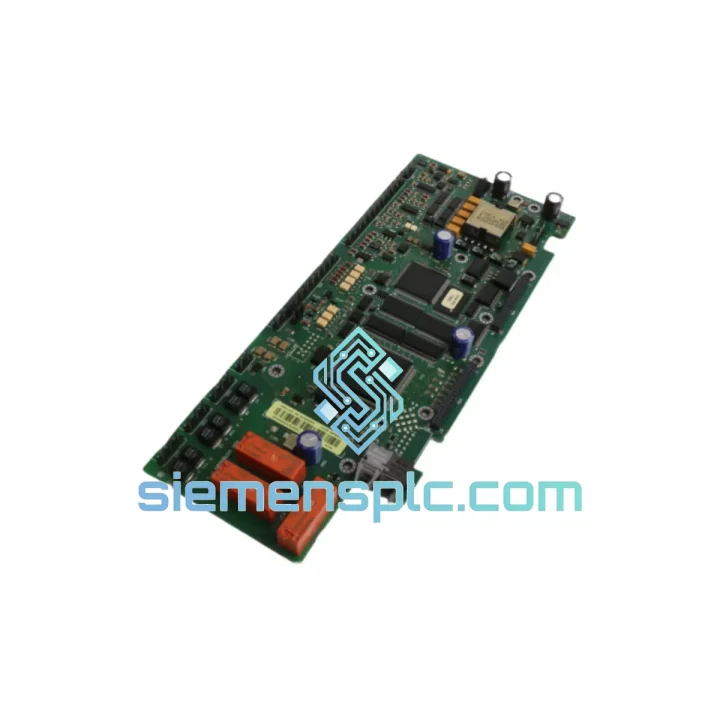
Request verified availability, condition, replacement risk review, packing options and courier lead time for RMIO-12C.
Click Request Quote and the part number is inserted into the inquiry form automatically.
Core fields for model confirmation and RFQ routing. Detailed product narrative remains below.
Your ACS800 drive just threw a fault. The RMIO-12C control board is dead. The line is stopped. Every minute costs money — and you already know it. We stock the ABB RMIO-12C specifically for this moment. No lead-time games, no “check back in two weeks.” If you’re reading this during a breakdown, here’s what matters: we have it, we’ve tested it, and it leaves Xiamen today.
The RMIO-12C is the standard multifunction I/O control board for ABB’s ACS800 series AC drives — one of the most widely deployed VFD platforms in heavy industry globally. It handles every critical signal path between the drive’s main processor and your field instruments: analog setpoints, digital interlocks, encoder feedback, and DDCS fiber optic communication. When this board fails, the drive is blind. Replacing it correctly and fast is the only path back to production.
URGENT REQUIREMENT? Contact: [email protected] | WhatsApp: +86 18359268345
| Parameter | Specification |
|---|---|
| Part Number | RMIO-12C |
| Manufacturer | ABB |
| Compatible Series | ACS800 (single drive & multi-drive) |
| Module Function | Multifunction I/O Control Board |
| Analog Inputs | 3 × programmable (0–10 V / 0–20 mA / 4–20 mA) |
| Analog Outputs | 2 × programmable (0–10 V / 0–20 mA) |
| Digital Inputs | 6 × 24 VDC |
| Relay Outputs | 3 × relay (NO/NC configurable) |
| Encoder Interface | Pulse encoder input (HTL/TTL) |
| Communication | DDCS fiber optic (CH0 / CH1 / CH2 / CH3) |
| Operating Temperature | 0°C to +55°C |
| Weight | ~180 g |
| Origin | Finland |
| Stock Status | ✅ Ready to Ship — Xiamen, China |
Common failure signatures that point to a dead RMIO-12C:
Replacement procedure — field-tested sequence:
Configuration items specific to RMIO-12C replacement:
The RMIO-12C was designed for environments where consumer-grade electronics simply don’t survive. ABB’s ACS800 platform is deployed in paper mills running 24/7 at high humidity, offshore platforms with constant salt-air exposure, steel plants with heavy electromagnetic interference from arc furnaces, and mining operations where vibration is continuous and dust is unavoidable.
The board’s PCB uses conformal coating on critical sections to resist moisture ingress and condensation — a common failure mode in drives that cycle between hot running and cold shutdown. The DDCS fiber optic interface eliminates ground loop issues and provides complete galvanic isolation between the control board and external communication networks, which is critical in plants where ground potential differences between equipment can reach tens of volts.
Digital input opto-isolators are rated for 24 VDC nominal with tolerance for voltage spikes common in industrial wiring environments. Relay outputs are rated for inductive loads — not just resistive — which matters when switching motor contactors and solenoid valves directly from the drive’s relay terminals.
The board’s operating temperature range of 0°C to +55°C covers the vast majority of industrial drive cabinet environments. In applications where ambient temperatures approach the upper limit, ensure the drive cabinet’s cooling system is functioning correctly — a failed cabinet fan is often the root cause of repeated RMIO-12C failures in hot climates.
Every unit we ship has been stored in climate-controlled conditions with anti-static protection. We do not sell boards that have been sitting in uncontrolled warehouse environments where humidity cycling can degrade PCB integrity before the part even reaches your site.
We ship from Xiamen, China — a major international cargo hub with daily DHL Express and FedEx International Priority departures. For urgent breakdown situations, this matters: your part is not sitting in an inland warehouse waiting for a truck to a port city.
Typical transit times from Xiamen:
All shipments include full export documentation: commercial invoice, packing list, and certificate of origin. For customers in countries with import duty exemptions or preferential tariff agreements with China, we can provide the necessary documentation to support customs clearance. Dangerous goods declaration is not required for this product — it ships as standard industrial electronics.
For extremely urgent situations — same-day dispatch is available for orders confirmed before 14:00 CST. Contact us directly via WhatsApp for real-time stock confirmation and shipping cut-off times.
📧 Email: [email protected]
💬 WhatsApp: +86 18359268345
🌐 Web: siemensplc.com
© 2026 siemensplc.com. All rights reserved.
We check the full part number, brand, series and visible nameplate information before quotation.
Sales confirms stock path, condition option, quantity and realistic lead time for export dispatch.
DHL, FedEx, UPS or buyer courier arrangements can be reviewed with packing requirements.
Similar brand or category products for fast comparison and multi-item RFQ lists.