ABB
RFQ Ready
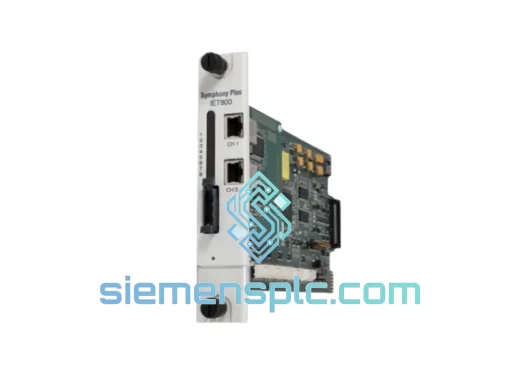
ABB SPIET800 IET800 Industrial Gateway Module
Symphony Plus
Origin SE
Industrial Gateway Module
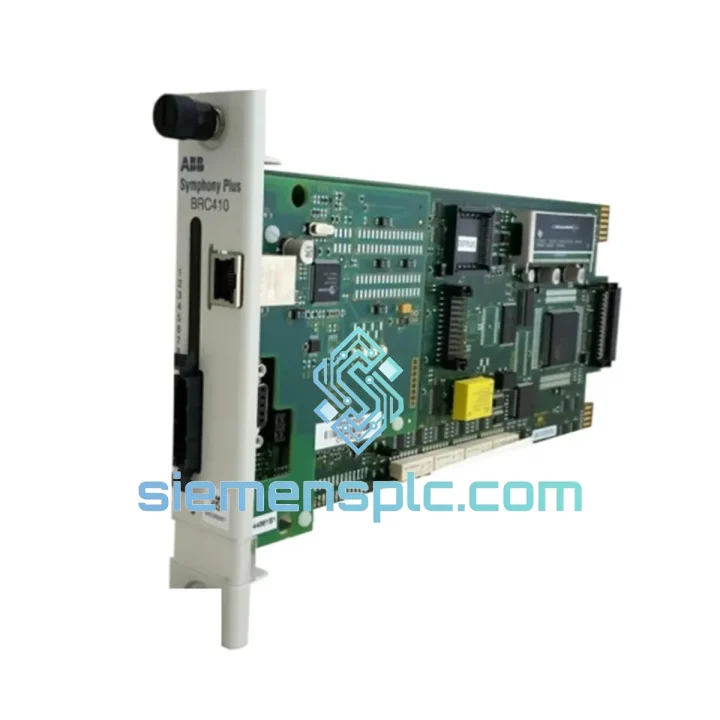
Request verified availability, condition, replacement risk review, packing options and courier lead time for SPBRC300.
Click Request Quote and the part number is inserted into the inquiry form automatically.
Core fields for model confirmation and RFQ routing. Detailed product narrative remains below.
Your Symphony Plus system just threw a bridge controller fault. The INFI 90 network is dark. Operators are blind. The shift supervisor is on the phone. You already know what this costs per hour — and you need a verified, drop-in replacement in your hands before the next shift change. The ABB SPBRC300 is on our shelf in Xiamen right now. We ship DHL Express within 24 hours of order confirmation. That’s the only number that matters when your plant is down.
URGENT REQUIREMENT? Contact: [email protected] | WhatsApp: +86 18359268345
| Parameter | Value |
|---|---|
| Manufacturer | ABB |
| Full Part Number | SPBRC300 |
| Product Series | Symphony Plus (S+) |
| Module Function | Bridge Controller — Symphony Plus ↔ Bailey INFI 90 / Network 90 |
| Communication Protocol | INFI-NET / Modulebus |
| Backplane Interface | Symphony Plus standard controller rack |
| Power Consumption | ≤ 5 W (typical) |
| Operating Temperature | 0 °C to +60 °C |
| Humidity | 5–95% RH, non-condensing |
| Vibration Rating | IEC 60068-2-6 compliant |
| Country of Origin | Germany |
| Stock Status | ✅ Ready to Ship — Xiamen Warehouse |
| Condition | New / Certified Surplus (tested) |
| Lead Time | Ships within 24 hours of PO confirmation |
Ten years on the floor teaches you that most SPBRC300 failures fall into three buckets. Know them before you pull the module.
Fault Code F0x21 — Bridge Communication Loss: This is the most common call-out. The SPBRC300 has lost synchronization with the INFI 90 network segment. Before condemning the module, check the INFI-NET coax termination resistors (93 Ω) at both ends of the segment. A corroded BNC connector or a missing terminator will produce identical symptoms to a dead bridge controller. Swap the terminator first — it takes 30 seconds and has saved more than a few unnecessary module replacements.
Fault Code F0x44 — Firmware Mismatch: If you’re installing a replacement SPBRC300 into a system running Symphony Plus R6.x or later, verify the firmware revision on the replacement unit before insertion. Mismatched firmware between the bridge controller and the Symphony Plus controller (SPCON) causes a persistent boot loop. The SPBRC300 firmware is field-upgradeable via the Symphony Plus Engineering Workstation — confirm the target revision with your ABB system documentation before powering up.
Address Conflict on Hot-Swap: The SPBRC300 does not auto-address on insertion. The node address is set via the rotary DIP switches on the module face — S1 (×10) and S2 (×1). Before installing the replacement, photograph the switch positions on the failed unit or pull the address from your as-built documentation. An address conflict with another node on the INFI-NET segment will prevent the bridge from coming online and can cause cascading communication errors across the entire network.
Replacement Procedure (condensed field steps):
The SPBRC300 was not designed for a climate-controlled server room. It was built for the reality of industrial plant environments — and that reality is unforgiving.
ABB qualifies Symphony Plus modules to IEC 60068-2-6 for sinusoidal vibration, covering the frequency ranges typical of rotating machinery environments: compressor halls, turbine decks, pump stations. The PCB assembly uses conformal coating on production variants, providing a moisture barrier against the condensation cycles common in coastal and tropical process plants. Operating temperature range of 0–60 °C covers the vast majority of industrial cabinet environments globally, including outdoor enclosures in subtropical climates when paired with appropriate thermal management.
Electrostatic discharge protection is built into the backplane interface, critical in environments where personnel ground discipline is inconsistent. The module’s watchdog circuit triggers a controlled fault state rather than a silent hang — meaning your DCS will alarm on failure rather than silently passing corrupted data downstream. In process safety terms, that distinction matters.
Units sourced through siemensplc.com undergo visual inspection for conformal coating integrity, connector pin condition, and capacitor health before dispatch. Surplus units showing evidence of thermal stress or physical damage are rejected at intake — they do not reach our shipping bench.
Our warehouse is located in Xiamen, Fujian Province — one of China’s primary export hubs with direct access to DHL Express, FedEx International Priority, and UPS Worldwide Express gateways. This is not a drop-ship operation. Stock is physically on-hand, inspected, and ready to pack.
Standard export timeline: Order confirmation received → QA final check and export documentation prepared (same day) → DHL/FedEx pickup (next business morning) → In-transit tracking number issued to buyer within 2 hours of handover.
Typical transit times from Xiamen:
Export documentation includes commercial invoice, packing list, and certificate of origin. For regulated industries requiring additional documentation (material safety, RoHS declaration, test certificates), specify requirements at order stage — we prepare these in parallel with packing to avoid delays. All shipments are fully insured. In the event of transit damage, we initiate replacement dispatch immediately while the insurance claim is processed — your plant does not wait for paperwork.
For emergency orders where standard express is insufficient, we have access to charter freight and hand-carry courier options for critical-path situations. Contact us directly to discuss.
Email: [email protected]
WhatsApp: +86 18359268345
Web: siemensplc.com
© 2026
We check the full part number, brand, series and visible nameplate information before quotation.
Sales confirms stock path, condition option, quantity and realistic lead time for export dispatch.
DHL, FedEx, UPS or buyer courier arrangements can be reviewed with packing requirements.
Similar brand or category products for fast comparison and multi-item RFQ lists.