Allen-Bradley
RFQ Ready
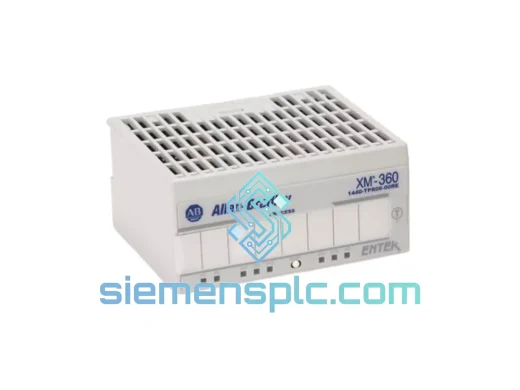
Allen-Bradley 1440-TPR06-00RE Absolute Position Transducer
Rockwell Automation
Origin US
Absolute Position Transducer
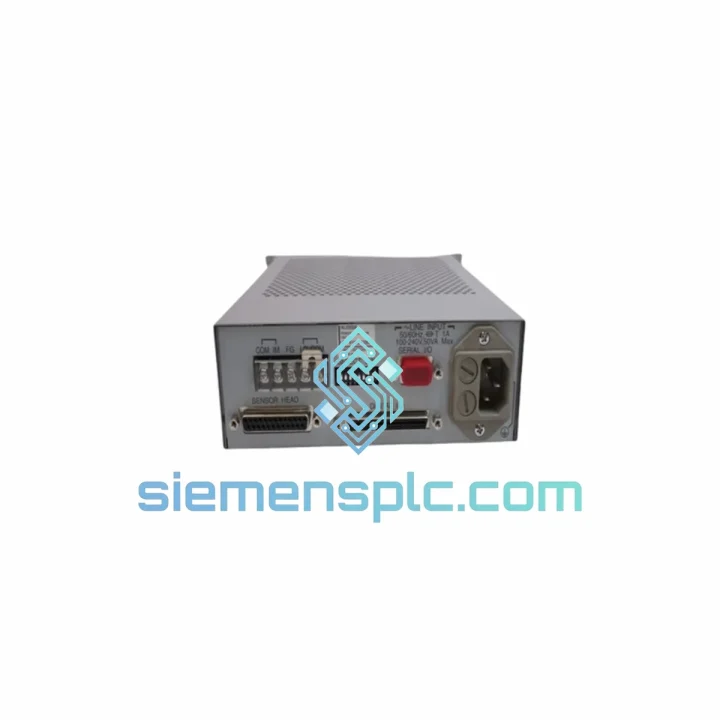
Request verified availability, condition, replacement risk review, packing options and courier lead time for KL2300A.
Click Request Quote and the part number is inserted into the inquiry form automatically.
Core fields for model confirmation and RFQ routing. Detailed product narrative remains below.
Your line is down. Every minute costs money. The Anritsu KL2300A is the exact sensor processing unit your system needs — and we have it on the shelf in Xiamen, ready to ship today via DHL or FedEx. No waiting on factory lead times. No chasing distributors. One call, one unit, back in production.
We’ve handled enough emergency callouts to know that when a KL2300A fails, the pressure is immediate. Temperature loop drops out, the PLC throws a fault, and the line stops. This page exists to get you the part fast and give you the field intelligence to swap it correctly the first time.
URGENT REQUIREMENT? Contact: [email protected] | WhatsApp: +86 18359268345
| Model / SKU | KL2300A ✅ Ready to Ship |
| Series | KL2300 |
| Manufacturer | Anritsu |
| Function | Sensor Processing Unit — contact temperature signal conditioning |
| Probe Compatibility | Anritsu KL-series thermocouple / RTD probes |
| Output Signal | Analog (voltage / current — confirm with OEM datasheet for your revision) |
| Mounting | Panel mount / DIN rail |
| Power Supply | 24 VDC regulated (verify with unit label before wiring) |
| Weight | 1,660 g |
| Country of Origin | Japan |
| HS Code | 9025190000 |
| Certifications | CE, RoHS, ISO 9001 (Anritsu QMS) |
| Stock Status | ✅ In Stock — Ships within 24 hours from Xiamen |
After ten years of field work on temperature measurement systems, here’s what actually goes wrong with the KL2300A and what to watch when you’re doing the swap:
Common Failure Modes
Replacement Checklist — Do This Before You Power Up
The KL2300A was designed for Japanese OEM equipment that runs in environments most instrumentation can’t tolerate. Anritsu’s engineering philosophy on this series prioritizes long-term signal stability over cost reduction — which is why these units outlast cheaper alternatives by years in the field.
In food processing lines, the KL2300A routinely operates in high-humidity washdown zones where condensation cycles daily. The sealed enclosure and conformal-coated PCB prevent moisture ingress that would corrode lesser units within months. In automotive paint ovens and plastics extrusion lines, ambient temperatures around the control cabinet regularly exceed 45°C — the KL2300A’s thermal design accounts for this, maintaining measurement accuracy without derating.
Vibration is the silent killer of industrial electronics. On press lines and conveyor systems, constant mechanical vibration fatigues solder joints and connector contacts over time. Anritsu’s through-hole construction on critical signal path components gives the KL2300A a structural advantage over surface-mount-only designs in high-vibration installations. If your failed unit shows cracked solder joints on the probe input terminals, this is the cause — and the replacement will hold up the same way the original did for years.
EMI immunity is equally critical. In steel mills and welding cells, the electromagnetic environment is severe. The KL2300A’s differential input architecture and internal shielding reject common-mode noise that would saturate a single-ended input design. Pair it with properly shielded, grounded signal cable and you’ll get clean readings even in the worst electrical environments.
Our warehouse is in Xiamen, China — one of the most efficient export hubs in Asia for industrial components. Here’s exactly how your order moves:
We’ve shipped to automotive plants in Germany, food factories in Thailand, pharmaceutical lines in India, and steel mills in the Middle East. The process is the same every time: fast, documented, and traceable.
Email: [email protected]
WhatsApp: +86 18359268345
Web: siemensplc.com
© 2026 siemensplc.com. All rights reserved.
We check the full part number, brand, series and visible nameplate information before quotation.
Sales confirms stock path, condition option, quantity and realistic lead time for export dispatch.
DHL, FedEx, UPS or buyer courier arrangements can be reviewed with packing requirements.
Similar brand or category products for fast comparison and multi-item RFQ lists.