Bently Nevada
RFQ Ready
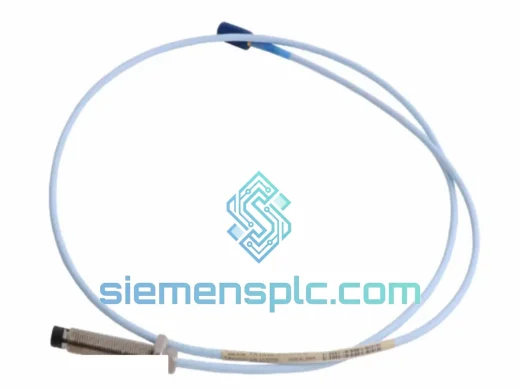
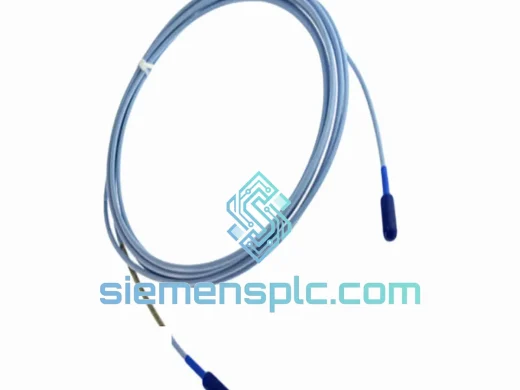
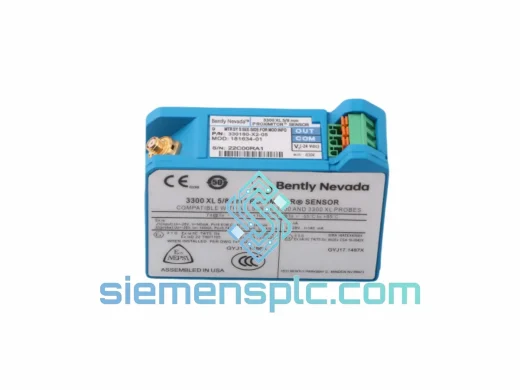
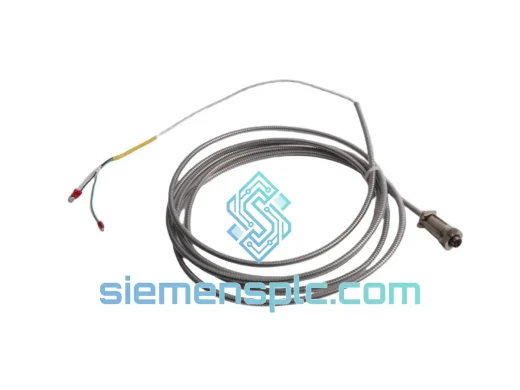
Bently Nevada 84661-12 Velomitor Interconnect Cable
3300 Series
Origin US
Vibration Monitoring Cable
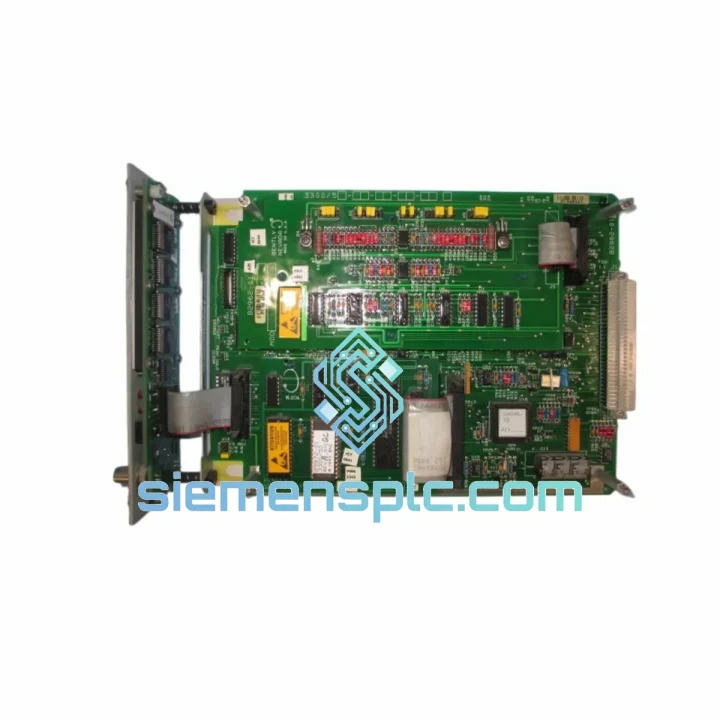
Request verified availability, condition, replacement risk review, packing options and courier lead time for 3300/65.
Click Request Quote and the part number is inserted into the inquiry form automatically.
Core fields for model confirmation and RFQ routing. Detailed product narrative remains below.
Every minute a turbine sits idle, a compressor trips offline, or a pump protection system goes dark, your operation is bleeding money. The Bently Nevada 3300/65 Proximity Probe Monitor is one of the most failure-critical components in any rotating machinery protection rack — and when it fails, you don’t have days to wait. We stock it. We ship it. DHL Express from Xiamen, door-to-door, often within 48 hours of order confirmation.
This is not a catalog listing. This is a field-ready unit, inspected, verified, and packed for immediate dispatch. If your 3500 rack is alarming, your System 1 is throwing a Monitor Not OK fault, or your vibration channel has gone flat — read the section below before you do anything else.
URGENT REQUIREMENT? Contact: [email protected] | WhatsApp: +86 18359268345
| Parameter | Specification | Status |
|---|---|---|
| Part Number | 3300/65 | ✅ Ready to Ship |
| Brand | Bently Nevada (Baker Hughes) | |
| Series | 3300 Proximity Transducer System | |
| Function | Probe Monitor – Radial Vibration / Axial Position | |
| Output Signal | 4–20 mA / Voltage output (configurable) | |
| Supply Voltage | –24 VDC nominal | |
| Measurement Range | 0–90 mil pp (0–2.286 mm pp) | |
| Frequency Response | DC to 10,000 Hz | |
| Operating Temperature | –35°C to +85°C | |
| Certifications | CE, FM, CSA (variant-dependent) | |
| Mounting | DIN rail / panel mount | |
| Weight | Approx. 1,180 g (module + housing) | |
| Compliance | API 670 | |
| Ship-From | Xiamen, China | ✅ DHL / FedEx Express |
Fifteen years of field calls on 3300 Series racks teach you the same lessons over and over. Here is what actually matters when you are standing in front of a tripped machine at 2 AM:
Fault Code: Monitor Not OK / Channel Fault
Before you pull the module, check the gap voltage at the Proximitor output. A healthy 3300/65 system reads between –10 VDC and –18 VDC at the monitor input terminal. If you are reading 0 V or –24 V rail, the fault is almost certainly in the probe or extension cable, not the monitor itself. Swap the cable first — it is a five-minute job and saves you from condemning a good module.
Fault Code: Upscale / Downscale Drive
Upscale drive (output pegged high) typically means an open circuit — broken probe tip, severed extension cable, or a connector that has corroded in a wet environment. Downscale drive (output pegged low) usually means a short to ground somewhere in the signal chain. Megger the cable before you order a replacement monitor.
Replacement Procedure — Step by Step
Common Configuration Pitfalls
The 3300 Series was not designed for a climate-controlled server room. It was built for the inside of a gas turbine enclosure, a petrochemical compressor train, and an offshore platform machinery space — environments where temperature swings 60°C between startup and steady state, where condensation forms on cold metal every morning, and where vibration levels that would destroy consumer electronics are considered normal operating conditions.
The 3300/65 monitor module is rated for continuous operation from –35°C to +85°C. The electronics are conformal-coated against humidity and corrosive atmospheres. The housing is designed to maintain signal integrity in environments with conducted and radiated EMI from variable-frequency drives, large motors, and switchgear — all of which are typically located within meters of the monitor rack in a real plant.
Units we ship have been stored in controlled-humidity warehousing and undergo a pre-shipment functional check. We do not ship units that have been sitting in an uncontrolled environment for years. If a unit shows any sign of board corrosion, connector oxidation, or physical damage during our inspection, it does not leave the warehouse.
Our dispatch hub is in Xiamen, Fujian Province, China — one of the most logistics-connected export cities on the coast, with direct DHL and FedEx Express service to over 220 countries and territories.
Standard Express Timeline (from order confirmation):
Every shipment includes a commercial invoice, packing list, and country-of-origin documentation. For orders requiring ATEX or FM certification documentation, we provide the original manufacturer certificates. We can declare under HS Code 9031.80 (instruments for measuring) or 8537.10 (control panels) depending on your import requirements — advise us at order placement.
For genuine emergencies — plant shutdown, safety system offline, production at zero — contact us on WhatsApp directly. We have processed same-day dispatch for customers in the Middle East and Southeast Asia on multiple occasions. The conversation starts with a message; the machine restarts with a part.
📧 Email: [email protected]
📱 WhatsApp: +86 18359268345
🌐 Web: siemensplc.com
© 2026 siemensplc.com. All rights reserved.
We check the full part number, brand, series and visible nameplate information before quotation.
Sales confirms stock path, condition option, quantity and realistic lead time for export dispatch.
DHL, FedEx, UPS or buyer courier arrangements can be reviewed with packing requirements.
Similar brand or category products for fast comparison and multi-item RFQ lists.