Bently Nevada
RFQ Ready
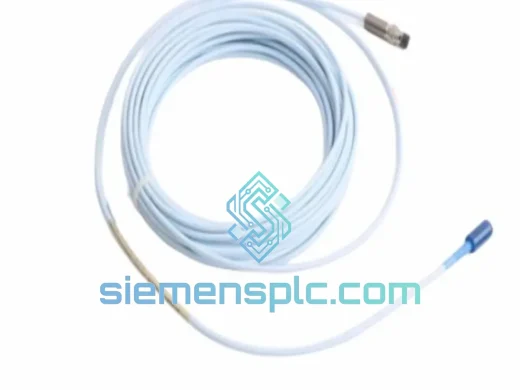
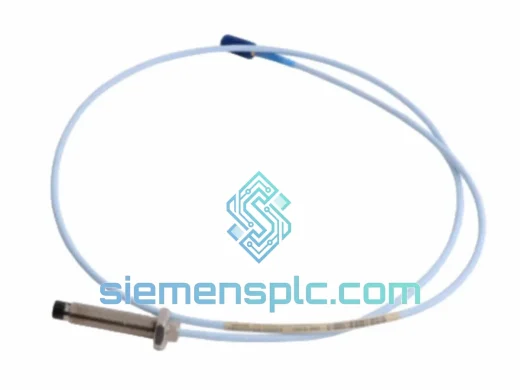
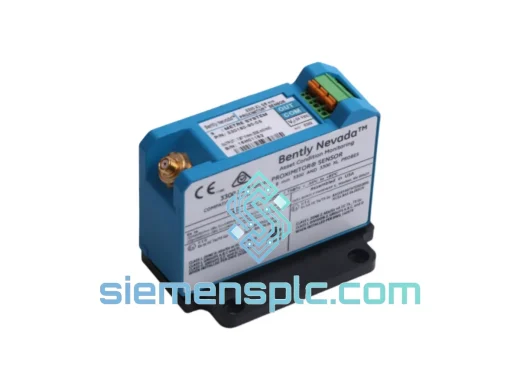
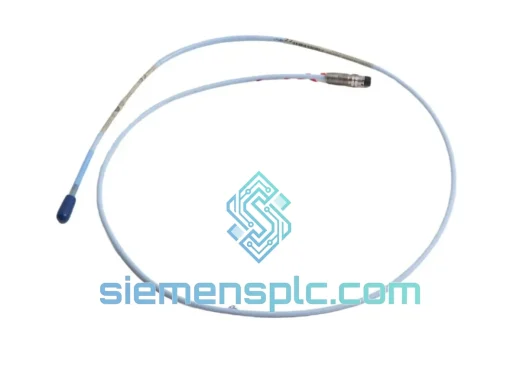
Bently Nevada 330196-05-30-10-00 Proximity Probe – 3300 XL ETR
3301
Origin US
Proximity Probe
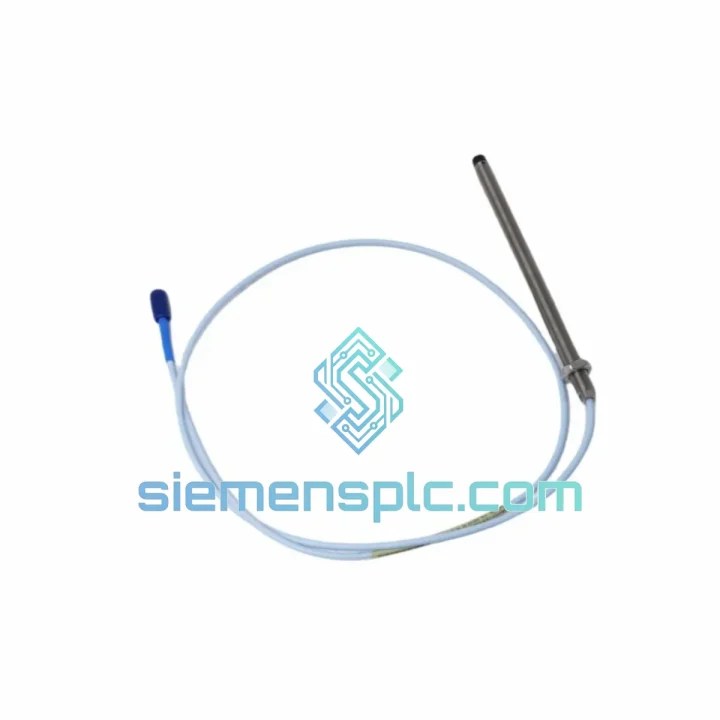
Request verified availability, condition, replacement risk review, packing options and courier lead time for 330103-00-06-15-02-05.
Click Request Quote and the part number is inserted into the inquiry form automatically.
Core fields for model confirmation and RFQ routing. Detailed product narrative remains below.
Every hour a critical machine sits idle costs real money. A failed proximity transducer on a turbine, compressor, or pump doesn’t just trigger a shutdown alarm — it triggers a financial hemorrhage. The Bently Nevada 330103-00-06-15-02-05 is a precision 8 mm eddy-current proximity transducer from the industry-standard 3300 XL Series, and we have it on the shelf in Xiamen right now. No lead-time negotiation. No factory backorder. You call, we ship — same day if your order lands before 3 PM CST.
This is not a catalog listing. This is a live inventory position. The 330103-00-06-15-02-05 is one of the most frequently replaced front-end sensors in API 670-compliant machinery protection systems across power generation, oil & gas, and petrochemical plants. When it fails, your 3500-series monitor goes into fault, your DCS throws a trip, and your operations team starts counting losses by the minute. We’ve seen it dozens of times. The fix is straightforward — if you have the part.
URGENT REQUIREMENT? Contact: [email protected] | WhatsApp: +86 18359268345
| Parameter | Specification |
|---|---|
| Part Number | 330103-00-06-15-02-05 |
| Brand | Bently Nevada (Baker Hughes) |
| Series | 3300 XL 8 mm Proximity Transducer System |
| Probe Tip Diameter | 8 mm |
| Probe Length | 6 inches (152 mm) |
| Extension Cable | 15 feet (4.5 m) |
| Integral Cable | 2 meters, armored |
| Measurement Principle | Eddy-current, non-contact displacement |
| Linear Range | 0–90 mil pp (0–2.29 mm pp) |
| Scale Factor | 200 mV/mil (7.87 V/mm) |
| Frequency Response | DC to 10,000 Hz |
| Probe Operating Temp | –35°C to +121°C |
| Driver Operating Temp | –35°C to +66°C |
| Standard Target Material | AISI 4140 steel |
| Compliance | API 670, CE, RoHS |
| Output Connector | BNC (driver output) |
| Stock Status | ✔ Ready to Ship — Xiamen, China |
| Shipping Options | DHL Express / FedEx International Priority |
After ten years of field work, the failure patterns on the 330103-00-06-15-02-05 are predictable. Here’s what you’re actually dealing with on-site:
Fault Code: –24 VDC supply rail drop / Proximitor output out of range
This is the most common alarm. Before condemning the probe, check the driver first. A shorted extension cable or a cracked probe tip can pull the driver output rail down and mimic a driver failure. Disconnect the probe at the junction box and measure the driver output voltage with no load. If it recovers to –18 to –24 VDC, the driver is fine — the probe or cable is the culprit.
Gap voltage drift — intermittent vibration alarms with no process change
If your 3500 monitor is logging intermittent high-vibration events that don’t correlate with any process upset, suspect probe tip contamination or micro-cracking in the integral cable near the probe body. Oil ingress into the cable jacket causes capacitance shifts that produce false displacement readings. The 330103-00-06-15-02-05’s 2-meter armored integral cable is robust, but armoring doesn’t make it immune to crush damage from cable clamps overtightened during installation.
Replacement procedure — critical steps field engineers skip:
Post-installation verification checklist:
After installation, before restart: measure driver output voltage (should be –10 ±0.5 VDC at set gap), verify monitor channel reads within ±2 mil of zero at slow roll, confirm no alert or danger setpoint violations at operating speed during coast-up. If the monitor trips on coast-up, recheck gap and target material before assuming a bad probe.
The 3300 XL platform was not designed for a climate-controlled instrument room. It was designed for the bearing housing of a 50 MW steam turbine running at 3,600 RPM in a tropical refinery. The 330103-00-06-15-02-05 reflects that design philosophy at every level.
The probe body is constructed from 316 stainless steel with a ceramic-filled epoxy tip — chemically resistant to the hydrocarbon mists, lube oil vapors, and cleaning solvents present in most turbomachinery environments. The 2-meter armored integral cable uses a stainless steel braid over a PTFE-insulated conductor, providing mechanical protection against abrasion and flexibility retention down to –35°C. In offshore and coastal installations where salt-laden air accelerates corrosion on unprotected sensors, the armored cable construction provides a meaningful service life advantage over standard PVC-jacketed alternatives.
Vibration immunity is inherent to the eddy-current measurement principle — there are no moving parts, no contact surfaces, and no wear mechanisms. The probe will outlast the bearing it monitors, provided the installation is mechanically sound. Units that fail prematurely almost always trace back to installation errors: wrong gap, wrong target material, or mechanical damage during handling.
Temperature cycling is where many competing sensors fail. The 330103-00-06-15-02-05 is rated to +121°C at the probe body — sufficient for most steam turbine bearing housing environments. In applications where probe body temperatures exceed this limit (e.g., hot gas expanders, high-temperature process compressors), consult Bently Nevada for high-temperature probe variants. Do not operate this probe beyond its rated temperature; thermal expansion of the probe body will shift the gap and corrupt your vibration baseline.
Our warehouse is located in Xiamen, Fujian Province — one of China’s primary export hubs with direct access to DHL, FedEx, and UPS international express networks. Transit times from Xiamen to major industrial centers are well-established and consistent:
Every shipment includes full commercial invoice and packing list documentation prepared for customs clearance. For shipments to countries with import licensing requirements for industrial electronics, we provide HS code documentation (HS 9031.80) and certificate of origin on request. Dangerous goods? Not applicable — proximity transducers are non-hazardous and ship without restriction under IATA regulations.
For genuine emergencies — plant down, production stopped — contact us directly on WhatsApp. We can arrange same-day dispatch for orders confirmed before 15:00 CST, with DHL On-Demand Delivery tracking so your maintenance team knows the exact arrival window. We’ve shipped to offshore platforms, remote mining sites, and island power stations. If there’s a DHL or FedEx pickup point within 200 km of your facility, we can get this part to you.
All units are packed in anti-static foam-lined boxes with moisture-barrier bags. The probe tip is protected with a machined plastic cap. Extension cable connectors are individually bagged and labeled. We do not use generic bubble wrap for industrial sensors — the packaging is engineered for the part.
Email: [email protected]
WhatsApp: +86 18359268345
Web: siemensplc.com
© 2026 siemensplc.com. All rights reserved.
We check the full part number, brand, series and visible nameplate information before quotation.
Sales confirms stock path, condition option, quantity and realistic lead time for export dispatch.
DHL, FedEx, UPS or buyer courier arrangements can be reviewed with packing requirements.
Similar brand or category products for fast comparison and multi-item RFQ lists.