Bently Nevada
RFQ Ready
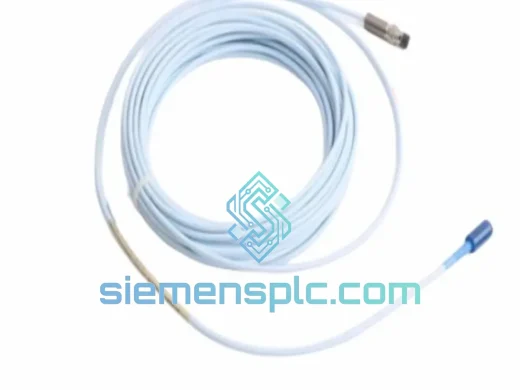
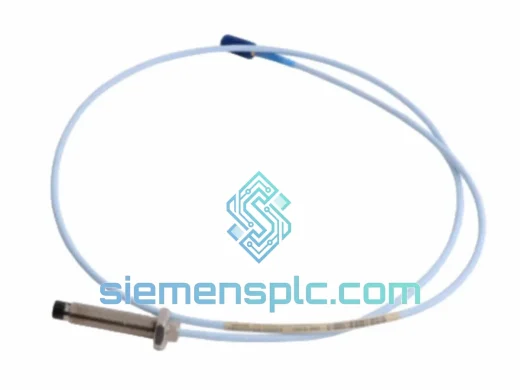
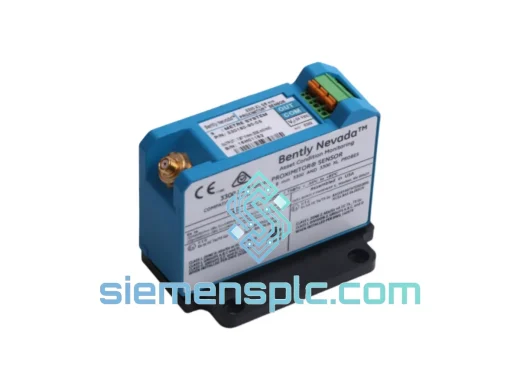
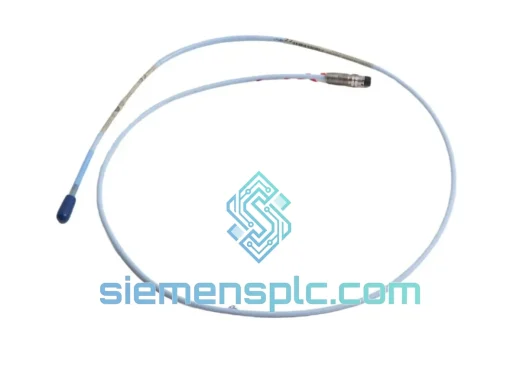
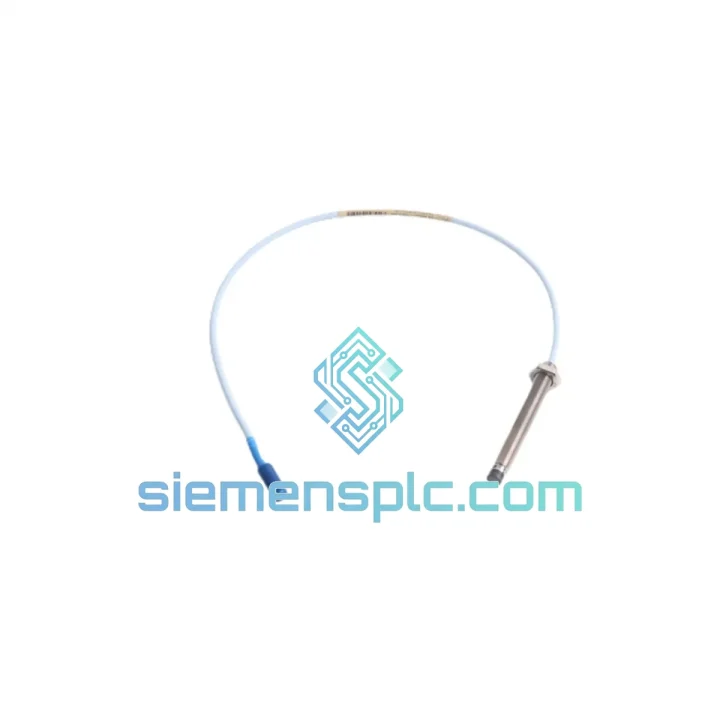
Bently Nevada 330196-05-30-10-00 Proximity Probe – 3300 XL ETR
3301
Origin US
Proximity Probe
Request verified availability, condition, replacement risk review, packing options and courier lead time for 330103-00-08-05-02-00.
Click Request Quote and the part number is inserted into the inquiry form automatically.
Core fields for model confirmation and RFQ routing. Detailed product narrative remains below.
Your turbine is down. The compressor train is locked out. Every hour without a functioning proximity transducer costs you thousands in lost production, emergency labor, and contractual penalties. The Bently Nevada 330103-00-08-05-02-00 — a 3300 XL 8 mm eddy-current proximity transducer — is on the shelf right now. We don’t wait for factory lead times. We ship.
This is not a catalog listing. This is a live inventory position. If you’re reading this at 2 AM during a forced outage, send the email below. We respond fast because we know what’s at stake.
URGENT REQUIREMENT? Contact: [email protected] | WhatsApp: +86 18359268345
| Parameter | Specification |
|---|---|
| Part Number | 330103-00-08-05-02-00 |
| Brand / OEM | Bently Nevada (Baker Hughes) |
| Series | 3300 XL 8 mm Proximity Transducer System |
| Probe Tip Diameter | 8 mm |
| Integral Cable Length | 0.5 m |
| Sensing Technology | Eddy-current, non-contact |
| Linear Measurement Range | 0.25 mm – 2.54 mm (10 – 100 mil) |
| Scale Factor (nominal) | 7.87 V/mm (200 mV/mil) |
| Frequency Response | DC – 10,000 Hz (–3 dB) |
| Supply Voltage | –24 VDC via Proximitor® / oscillator-demodulator |
| Operating Temperature (probe body) | –35 °C to +177 °C |
| Target Material | AISI 4140 steel or equivalent ferromagnetic alloy |
| Thread | M10 × 1 metric |
| Connector | Integral coaxial, MIL-C-17 compatible |
| Weight | ~60 g |
| Compliance | CE; API 670 4th & 5th Edition |
| Availability | ✅ Ready to Ship — Xiamen Stock |
Most common failure modes in the field:
1. Bias voltage out of range (monitor shows –10.5 V or –18 V alarm)
This is the #1 call we get. Before condemning the probe, check the Proximitor® output voltage at the monitor card terminal. Acceptable bias range is typically –10.5 V to –18 V at the nominal 1.0 mm gap. If bias is outside range with a known-good gap, the Proximitor® oscillator circuit has likely failed — not the probe itself. Swap the Proximitor® first.
2. Scale factor drift causing false vibration trips
If your 3500 monitor is logging intermittent high-vibration events that don’t correlate with process data, check total cable length. The 330103-00-08-05-02-00 is calibrated for a specific probe + extension cable combination. A mismatched extension cable (wrong length or wrong series) shifts the scale factor by 3–8%, which is enough to trigger a 125 µm trip setpoint prematurely. Verify the extension cable part number against the Proximitor® calibration certificate.
3. Probe tip contamination or mechanical damage
Eddy-current probes are sensitive to conductive contamination on the tip face. Oil coke, metallic debris, or a cracked tip ceramic will compress the linear range and introduce nonlinearity. Inspect the tip under magnification. If the ceramic face shows crazing or the coil winding is visible, replace immediately — do not attempt to clean with abrasive media.
Replacement procedure (field-verified steps):
1. Lock out / tag out the machine and confirm zero speed on the tachometer channel.
2. Record the existing gap voltage at the monitor card before disconnecting — this is your baseline for the new probe setup.
3. Remove the extension cable from the probe connector. Do not pull by the cable body; grip the connector body only.
4. Back out the probe from the probe boss using the correct spanner (M10 × 1 thread). Count and record the number of turns — this gives you a starting gap reference for the new probe.
5. Install the 330103-00-08-05-02-00 and thread in to the same turn count. Reconnect the extension cable.
6. Power up the Proximitor® and measure bias voltage. Adjust gap until bias reads within –12 V to –16 V (confirm against your specific Proximitor® datasheet).
7. Verify scale factor by moving the probe through the linear range with a calibrated gap tool. Confirm the monitor reading tracks within ±5% of expected mV/mil.
8. Lock the probe locknut and apply thread-locking compound per OEM torque spec (typically 5–7 N·m for M10 × 1).
9. Clear latched alarms on the 3500 rack and confirm OK status before releasing the machine.
Configuration notes:
This probe has no internal DIP switches or firmware — configuration lives entirely in the Proximitor® and the 3500/3300 monitor card. If you are replacing a probe that was part of a matched system (probe + extension + Proximitor® sold as a kit), verify the Proximitor® calibration certificate matches the new probe’s serial number range. Mismatched kits are a common source of post-maintenance vibration alarms.
The 3300 XL platform was engineered for the environments where failures are not an option. The 330103-00-08-05-02-00 probe body is constructed from 316 stainless steel with a PEEK (polyether ether ketone) tip housing — a material combination that resists hydrogen sulfide, steam condensate, and hydrocarbon process fluids that destroy lesser sensors within months.
Vibration endurance: the probe assembly is qualified to withstand 20 g sinusoidal vibration across 10–2,000 Hz — the kind of broadband excitation you see on a gas turbine bearing housing during a compressor surge event. The integral cable strain relief is designed to prevent coaxial conductor fatigue at the probe body junction, which is the mechanical weak point on competing designs.
Thermal cycling: the –35 °C to +177 °C operating range covers everything from Arctic cold-start conditions to the bearing housing temperatures on a high-speed steam turbine running at full load. The scale factor shift across this range is held to less than ±1% by the factory calibration process — a specification that third-party equivalents rarely match without individual calibration.
Moisture and ingress: the probe body carries an IP67 rating when correctly installed in the probe boss with the locknut torqued to spec. In high-humidity environments such as offshore platforms or coastal power stations, apply a thin bead of silicone sealant at the probe boss thread entry to prevent capillary ingress along the cable jacket.
Our warehouse is located in Xiamen, Fujian, China — one of the most logistics-connected export hubs in Asia. We ship via DHL Express and FedEx International Priority as standard. For critical outage situations, we can arrange same-day dispatch on orders confirmed before 15:00 CST.
Typical transit times from Xiamen:
— Southeast Asia (Singapore, Thailand, Malaysia): 2–3 business days
— Middle East (UAE, Saudi Arabia, Qatar): 3–4 business days
— Europe (Germany, Netherlands, UK): 4–5 business days
— North America (USA, Canada): 4–6 business days
— Australia / New Zealand: 3–5 business days
Every shipment includes a commercial invoice, packing list, and certificate of origin. For customers requiring ATA Carnet, CITES documentation, or specific customs commodity codes, contact us before order placement — we handle the paperwork so your receiving team doesn’t face customs delays at 3 AM.
We ship DDP (Delivered Duty Paid), DAP, and EXW depending on your procurement requirements. HS Code for this product: 9031.80 (instruments and appliances for measuring or checking). Duty rates vary by destination — contact us for a landed cost estimate before you commit.
Email: [email protected]
WhatsApp: +86 18359268345
Web: siemensplc.com
© 2026. All rights reserved.
We check the full part number, brand, series and visible nameplate information before quotation.
Sales confirms stock path, condition option, quantity and realistic lead time for export dispatch.
DHL, FedEx, UPS or buyer courier arrangements can be reviewed with packing requirements.
Similar brand or category products for fast comparison and multi-item RFQ lists.