Bently Nevada
RFQ Ready
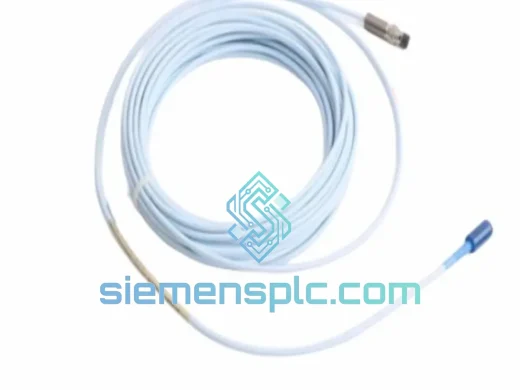
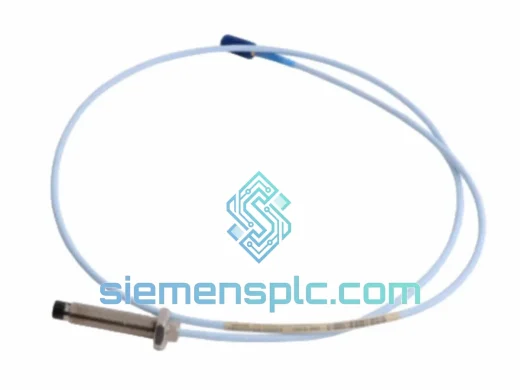
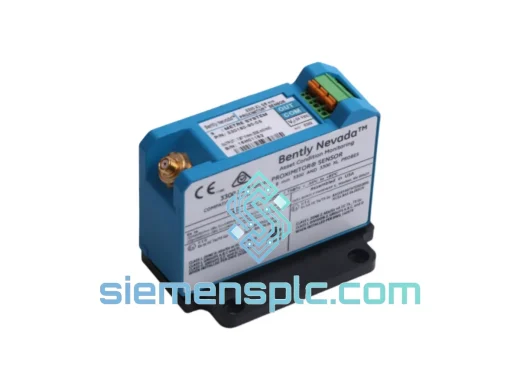
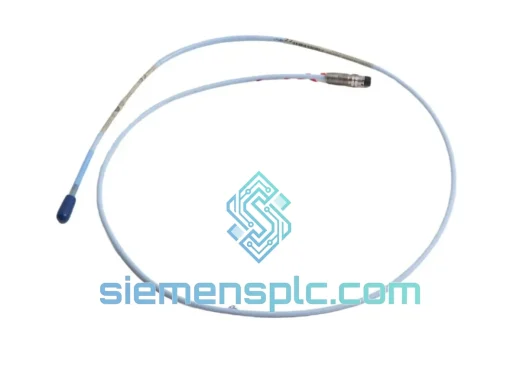
Bently Nevada 330196-05-30-10-00 Proximity Probe – 3300 XL ETR
3301
Origin US
Proximity Probe
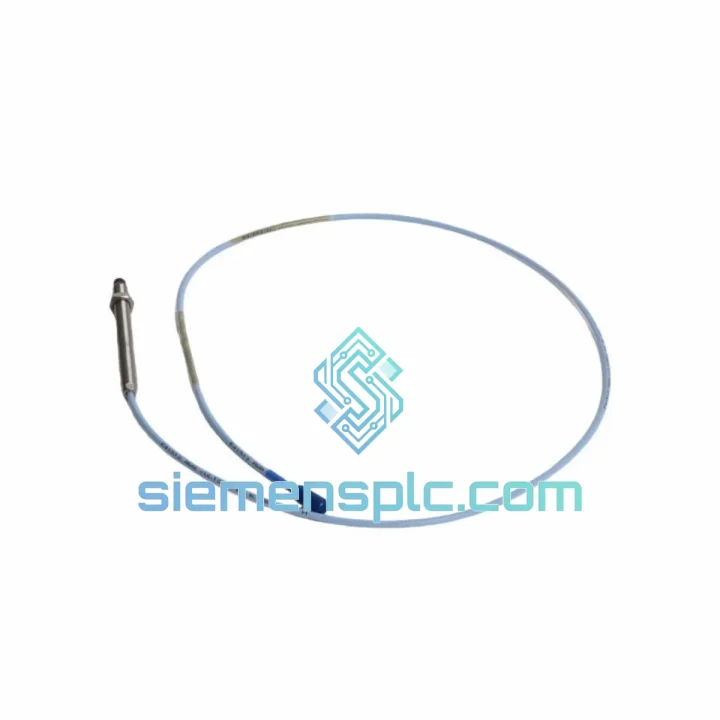
Request verified availability, condition, replacement risk review, packing options and courier lead time for 330103-00-08-10-01-00.
Click Request Quote and the part number is inserted into the inquiry form automatically.
Core fields for model confirmation and RFQ routing. Detailed product narrative remains below.
Every hour a turbine or compressor sits idle costs real money — production losses, penalty clauses, emergency labor. The Bently Nevada 330103-00-08-10-01-00 is an 8mm eddy current proximity probe from the 3300 XL Series, the global standard for API 670 machinery protection. We stock it in Xiamen and ship it the same day you call. No waiting on factory lead times. No broker markups. Just the part, on a plane, to your site.
URGENT REQUIREMENT? Contact: [email protected] | WhatsApp: +86 18359268345
| Parameter | Value | Status |
|---|---|---|
| Part Number | 330103-00-08-10-01-00 | ✔ Ready to Ship |
| Series | Bently Nevada 3300 XL | |
| Sensing Technology | Eddy Current (Non-Contact) | |
| Probe Tip Diameter | 8 mm | |
| Integral Cable Length | 1.0 m | |
| Thread | M10 × 1.0 | |
| Linear Range | 0.25 – 2.26 mm (10 – 89 mil) | |
| Scale Factor | 7.87 V/mm (200 mV/mil) | |
| Frequency Response | DC – 10,000 Hz (–3 dB) | |
| Operating Temperature | –35°C to +177°C | |
| Housing Material | 316 Stainless Steel | |
| Ingress Protection | IP67 | |
| Compliance | API 670, CE, RoHS | |
| Connector | 3-pin MIL-C-5015 (integral) | |
| Target Material (std) | AISI 4140 Steel | |
| Country of Origin | United States | |
| HS Code | 9031.80.9090 | |
| Weight | ~40 g |
After ten years of field calls, the same failure patterns show up again and again with 3300 XL probes. Here is what to check before you pull the trigger on a replacement, and what to watch when you install the new one.
Common fault signatures:
Replacement procedure checklist:
The 3300 XL probe was not designed for a lab. It was designed for the bearing pedestal of a 50 MW gas turbine running at 3,000 RPM in a tropical refinery. The 316 stainless steel housing resists chloride-induced stress corrosion cracking in offshore and coastal environments. The IP67 rating means the probe survives full immersion — relevant when steam turbine bearing housings flood during a trip event or when washdown crews are not careful.
Vibration immunity is built into the mechanical design. The M10 × 1.0 fine thread and locknut arrangement maintains probe position under continuous broadband vibration up to 20 g. The integral cable uses a braided shield and PTFE dielectric that holds its electrical properties from –35°C arctic compressor stations to +177°C hot-section turbine pedestals. That is not a marketing range — it is the validated operating envelope from Bently Nevada’s qualification testing.
The ceramic-tipped probe body is immune to the electromagnetic interference generated by variable-frequency drives and high-current bus bars that share cable trays in modern motor control centers. Field experience confirms stable readings in environments where lesser sensors produce noise floors that mask real vibration events.
Our warehouse is in Xiamen, Fujian — one of China’s primary export hubs with direct DHL and FedEx gateway access. Here is how a typical emergency order moves:
For truly critical situations — plant shutdown, safety system offline — tell us when you contact us. We will escalate to the next available flight and coordinate with the courier’s priority desk.
Email: [email protected]
WhatsApp: +86 18359268345
Web: siemensplc.com
© 2026 siemensplc.com. All rights reserved.
We check the full part number, brand, series and visible nameplate information before quotation.
Sales confirms stock path, condition option, quantity and realistic lead time for export dispatch.
DHL, FedEx, UPS or buyer courier arrangements can be reviewed with packing requirements.
Similar brand or category products for fast comparison and multi-item RFQ lists.