Bently Nevada
RFQ Ready
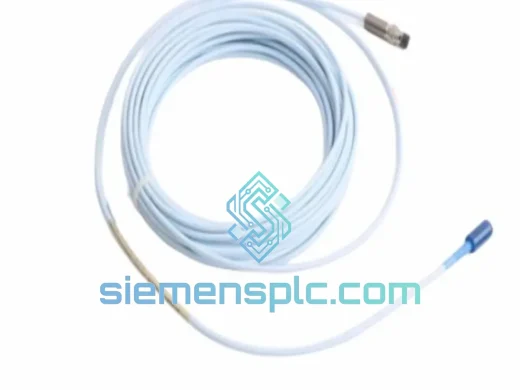
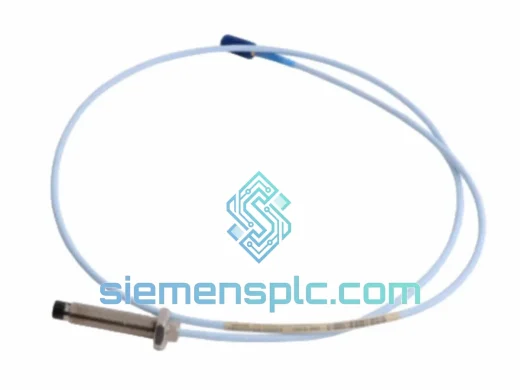
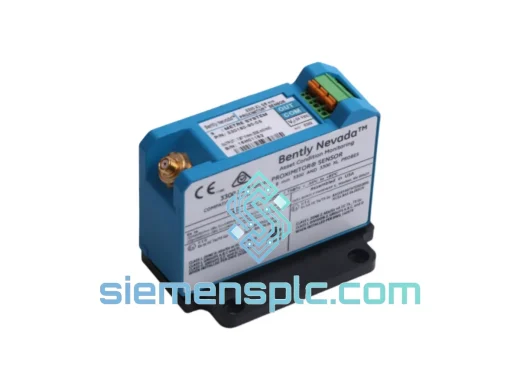
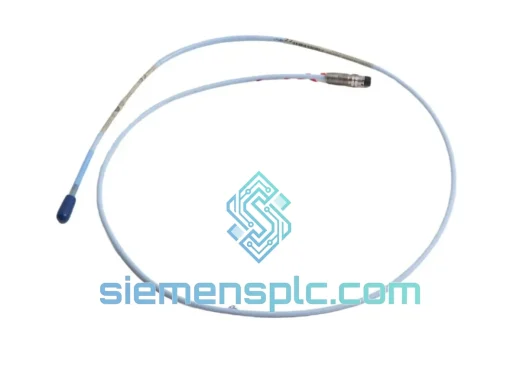
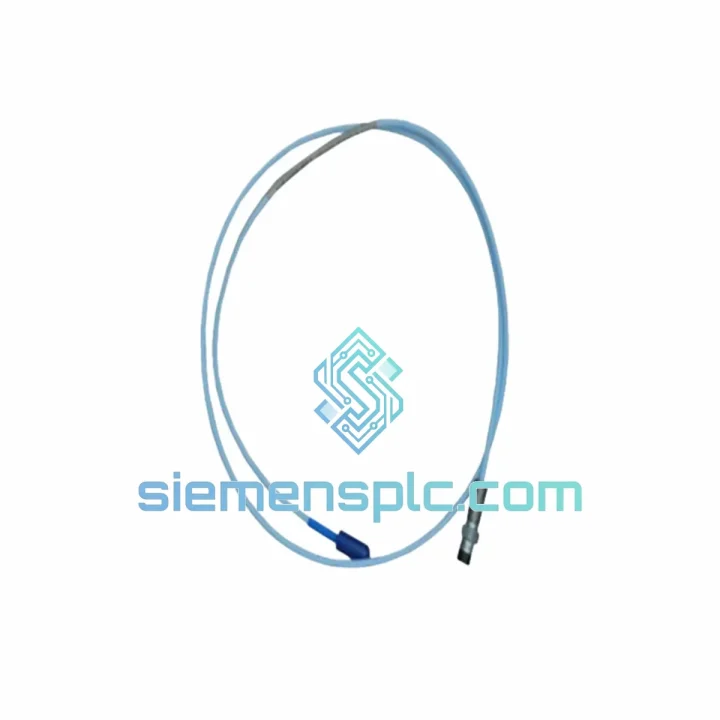
Bently Nevada 330196-05-30-10-00 Proximity Probe – 3300 XL ETR
3301
Origin US
Proximity Probe
Request verified availability, condition, replacement risk review, packing options and courier lead time for 330104-03-09-50-02-00.
Click Request Quote and the part number is inserted into the inquiry form automatically.
Core fields for model confirmation and RFQ routing. Detailed product narrative remains below.
Every hour a critical turbomachine sits idle costs real money — lost throughput, emergency labor, contractual penalties. When your 3300 XL proximity transducer system fails at 02:00 on a Sunday, you don’t need a catalog. You need a part on a plane. The Bently Nevada 330104-03-09-50-02-00 is on our shelf in Xiamen right now, inspected, boxed, and ready for DHL Express pickup today.
This is a 100% genuine Bently Nevada (Baker Hughes) OEM assembly — not a clone, not a rebranded substitute. The complete matched set: 5 mm eddy-current probe, 9 m coaxial extension cable, and 3300 XL 8 mm driver/oscillator, factory-calibrated as a unit at 200 mV/mil. Swap it in, gap it per Installation Manual 141078, and your monitor is back online.
URGENT REQUIREMENT? Contact: [email protected] | WhatsApp: +86 18359268345
| Parameter | Specification | Status |
|---|---|---|
| Part Number | 330104-03-09-50-02-00 | ✅ Ready to Ship |
| Series | Bently Nevada 3300 XL | |
| Probe Tip Diameter | 5 mm (3/16 in) | |
| Extension Cable Length | 9 m (30 ft) | |
| Driver Cable Length | 5 m (16 ft) — Armored | |
| Scale Factor | 200 mV/mil ± 1% (7.87 V/mm) | |
| Linear Range | 0.25 mm – 2.25 mm (10 – 90 mil) | |
| Frequency Response | DC – 10,000 Hz (–3 dB) | |
| Supply Voltage | –24 VDC nominal | |
| Output Voltage Range | –1 VDC to –21 VDC | |
| Probe Operating Temp | –35°C to +177°C | |
| Driver Operating Temp | –35°C to +85°C | |
| Ingress Protection | IP67 (probe assembly) | |
| Certifications | API 670, CE, ATEX Ex ia IIC T6, FM Intrinsically Safe | |
| Target Material (calibrated) | 4140 Steel | |
| Connector | Integral coaxial, stainless steel armor | |
| Weight (complete system) | ~230 g | |
| Country of Origin | United States | |
| HS Code | 9031.80.80 | |
| Dispatch Location | Xiamen, China | ✅ Ready to Ship |
Ten years of field calls on 3300 XL systems teach you the same failure patterns over and over. Here’s what to check before you pull the trigger on a full system swap — and what to watch when you install the 330104-03-09-50-02-00.
Common fault presentations and root causes:
Replacement procedure — field checklist:
Compatibility note on 3500 series monitors: This 3300 XL system is electrically compatible with 3500 monitor cards ordered with the XL transducer option. If your 3500 card was ordered for standard 3300 transducers, the oscillator frequency mismatch will prevent proper operation. Check the monitor card model number suffix before ordering.
The 330104-03-09-50-02-00 was not designed for a clean lab. It was designed for the bearing housing of a 40 MW steam turbine running at 3,000 RPM in a refinery that hasn’t had a planned shutdown in 18 months. The engineering margins built into this system are what make it the default choice for API 670 protection systems globally.
The probe tip operates continuously at up to 177°C — hot enough to destroy the insulation on most industrial sensors, but within the rated envelope of the 3300 XL ceramic-filled probe body. The stainless steel armor on the extension cable absorbs the mechanical abuse of cable trays, conduit runs, and the occasional impact during maintenance walks. IP67 sealing on the probe assembly means condensation, wash-down water, and process fluid splatter don’t reach the coil.
Vibration immunity is a non-issue for a non-contact sensor — there are no moving parts to fatigue. The eddy-current coil has no mechanical wear mechanism. Units installed in the 1990s remain in service in power plants that have never replaced them. What fails is almost always the cable, not the probe. That’s why the armored extension cable in this system is a meaningful specification, not a marketing bullet point.
The driver/oscillator electronics are potted and sealed for operation in ambient temperatures from –35°C to +85°C. Drivers mounted in field junction boxes in tropical climates or desert environments regularly see 60–70°C ambient. The thermal design handles it without derating. ATEX Ex ia IIC T6 certification means the system can be installed in Zone 0 and Zone 1 hazardous areas — gas turbine enclosures, compressor buildings, and offshore platform machinery spaces — without additional intrinsic safety barriers in most configurations. Verify your specific installation against the ATEX certificate conditions of use before commissioning.
Our warehouse is in Xiamen, Fujian — one of China’s primary export hubs with direct DHL Express and FedEx International Priority pickup routes operating seven days a week. Orders confirmed before 14:00 CST ship same day. Here’s what that looks like in practice:
All shipments include a tracking number sent to your email within 2 hours of dispatch. For critical shutdowns, contact us via WhatsApp for real-time shipment status updates. Saturday pickup and Sunday delivery are available in most major markets for an express surcharge — ask when you place your order.
Export documentation provided as standard: commercial invoice, packing list, certificate of origin, and ATEX/FM compliance documentation on request. Payment by T/T, PayPal, or credit card. No minimum order quantity.
📧 Email: [email protected]
💬 WhatsApp: +86 18359268345
🌐 Web: siemensplc.com
© 2026 siemensplc.com. All rights reserved.
We check the full part number, brand, series and visible nameplate information before quotation.
Sales confirms stock path, condition option, quantity and realistic lead time for export dispatch.
DHL, FedEx, UPS or buyer courier arrangements can be reviewed with packing requirements.
Similar brand or category products for fast comparison and multi-item RFQ lists.