Bently Nevada
RFQ Ready
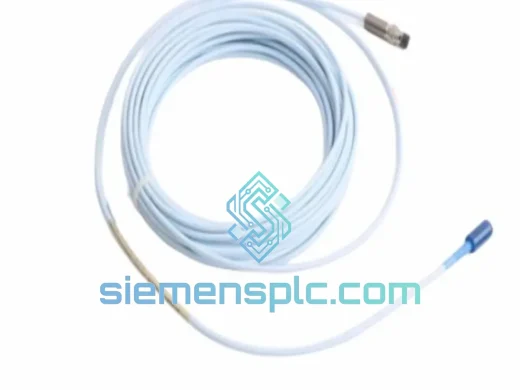
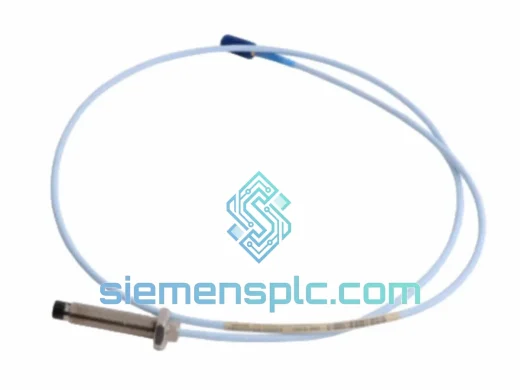
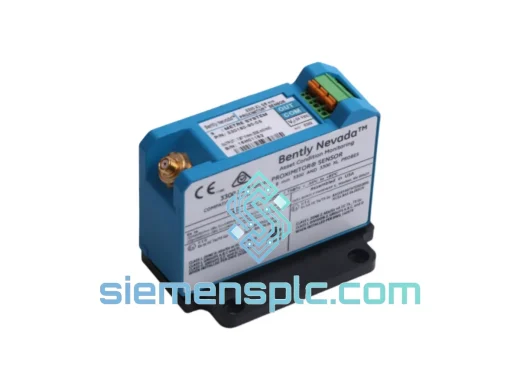
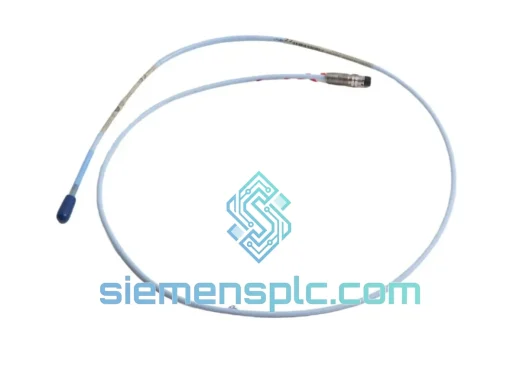
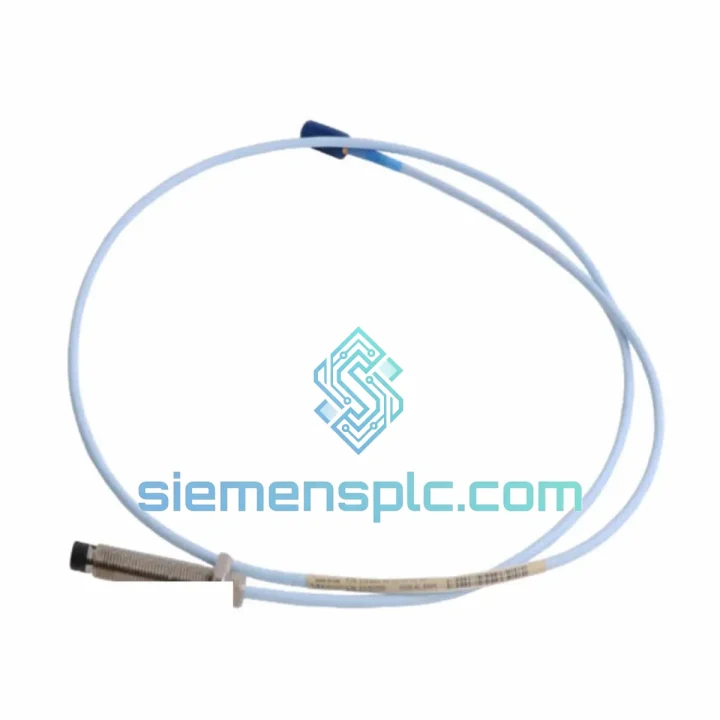
Bently Nevada 330196-05-30-10-00 Proximity Probe – 3300 XL ETR
3301
Origin US
Proximity Probe
Request verified availability, condition, replacement risk review, packing options and courier lead time for 330130-040-10-CN.
Click Request Quote and the part number is inserted into the inquiry form automatically.
Core fields for model confirmation and RFQ routing. Detailed product narrative remains below.
Your turbine is down. The vibration monitor is blind. Maintenance is standing by and the clock is running. The Bently Nevada 330130-040-10-CN — a 10-metre coaxial extension cable for the 3300 XL Proximity Transducer System — is the single component between you and a restart. We stock it. We ship it today. From Xiamen, via DHL or FedEx, to your plant gate in 24–72 hours depending on your region.
This is not a catalogue listing. This is a live inventory position. If you are reading this, the unit is available. Contact us before you do anything else.
URGENT REQUIREMENT? Contact: [email protected] | WhatsApp: +86 18359268345
| Parameter | Value |
|---|---|
| Part Number | 330130-040-10-CN |
| Manufacturer | Bently Nevada (Baker Hughes) |
| Series | 3300 XL Proximity Transducer System |
| Cable Type | Coaxial Extension Cable |
| Cable Length | 10 metres |
| Connector Type | Factory-terminated coaxial, both ends |
| Impedance | 50 Ω nominal |
| Inner Conductor | PTFE-insulated, silver-plated copper |
| Jacket | Armoured, oil and chemical resistant |
| Operating Temperature | −55 °C to +125 °C |
| Compatible Sensors | 330100 / 330101 / 330103 Proximitor series |
| Compatible Monitors | 3300 XL 8 mm / 11 mm / 14 mm systems |
| Condition | New / Surplus New |
| Stock Status | ✅ Ready to Ship — Xiamen Warehouse |
| Lead Time | Same-day dispatch (orders confirmed before 15:00 CST) |
| Origin | China (CN) |
After ten years of field work on rotating machinery protection systems, the same failure patterns come up repeatedly with the 330130 extension cable. Here is what to check before you pull the trigger on a replacement — and what to watch when you install the new one.
Common failure indicators:
Replacement procedure — field notes:
The 330130-040-10-CN was not designed for a clean room. It was designed for the bearing pedestals of gas turbines, the seal housings of high-speed compressors, and the wet, oily, vibrating environments that destroy ordinary instrumentation cable within months.
The armoured outer jacket resists hydrocarbon fluids, lubricating oils, and cleaning solvents. The PTFE inner insulation does not absorb moisture — critical in coastal and offshore installations where humidity cycling causes dielectric breakdown in standard cables over time. The factory-terminated connectors are assembled under controlled conditions and tested for impedance continuity before leaving the production line. There is no field-assembled connector in this cable. That matters: field-assembled coax connectors are the single largest source of signal integrity failures in proximity transducer systems.
The operating temperature range of −55 °C to +125 °C covers every realistic installation scenario from Arctic outdoor routing to the hot zones adjacent to exhaust casings. The cable has been validated for continuous operation in environments with sustained vibration levels consistent with the machinery it monitors — it does not work loose, it does not fatigue-crack at the connector boot, and it does not need periodic re-termination.
For installations in classified hazardous areas, confirm the area classification against the system documentation. The 3300 XL system carries appropriate certifications for Zone 1 / Division 1 installations when installed per the Bently Nevada system manual.
Stock is held at our Xiamen facility, Fujian Province, China. Xiamen is a major international freight hub with direct DHL and FedEx gateway connections, which means your order does not transit through a secondary hub before leaving China.
Typical transit times from Xiamen:
Orders confirmed before 15:00 CST are dispatched same day. You receive a tracking number within 2 hours of dispatch. Export documentation — commercial invoice, packing list, and certificate of origin — is prepared in parallel with packing and included in the shipment. If your plant requires a specific HS code declaration or a material safety data sheet, advise us at the time of order and we will prepare it before dispatch.
For critical shutdowns where standard express is not fast enough, we can arrange charter courier on request. Contact us directly to discuss options.
Email: [email protected]
WhatsApp: +86 18359268345
Web: siemensplc.com
© 2026 siemensplc.com. All rights reserved.
We check the full part number, brand, series and visible nameplate information before quotation.
Sales confirms stock path, condition option, quantity and realistic lead time for export dispatch.
DHL, FedEx, UPS or buyer courier arrangements can be reviewed with packing requirements.
Similar brand or category products for fast comparison and multi-item RFQ lists.