Bently Nevada
RFQ Ready
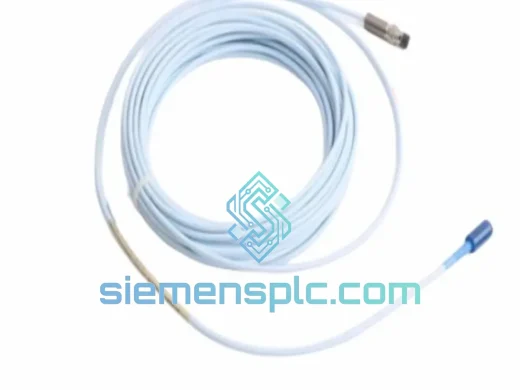
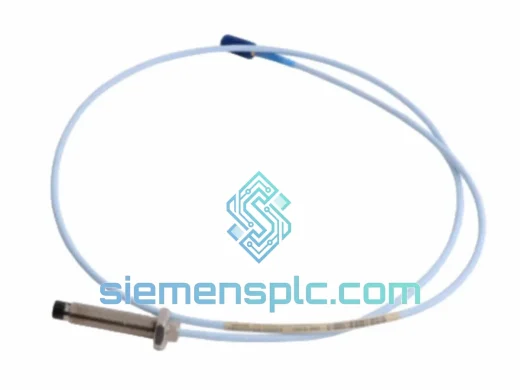
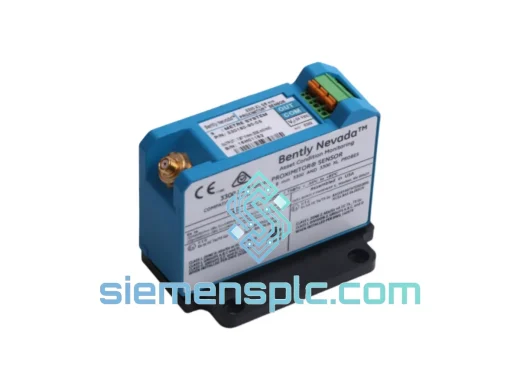
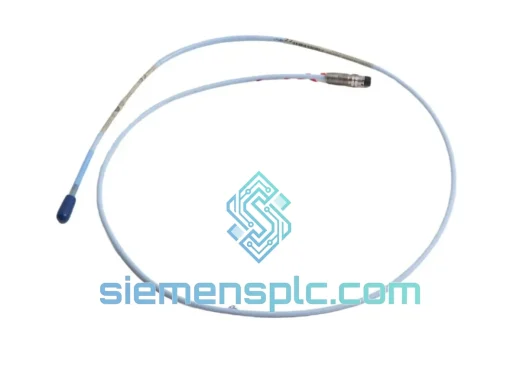
Bently Nevada 330196-05-30-10-00 Proximity Probe – 3300 XL ETR
3301
Origin US
Proximity Probe
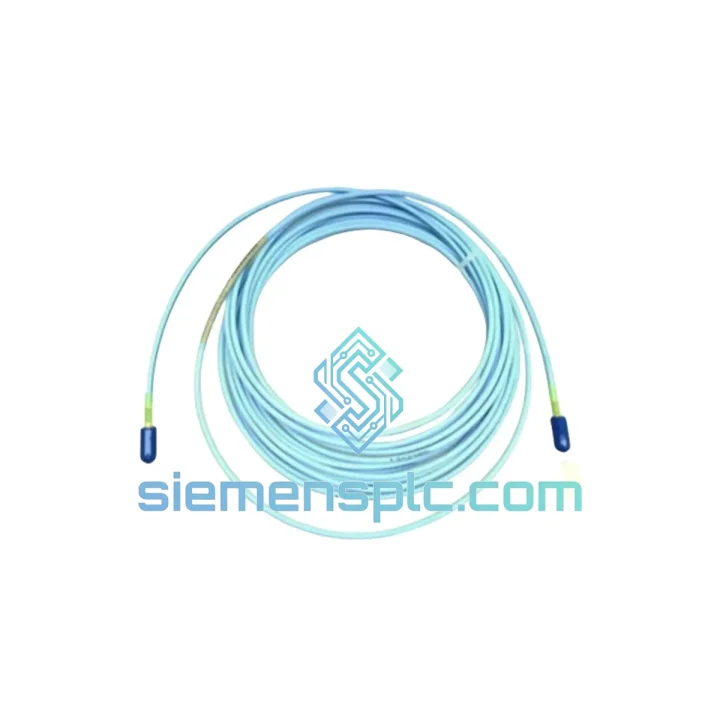
Request verified availability, condition, replacement risk review, packing options and courier lead time for 330130-085-02-CN.
Click Request Quote and the part number is inserted into the inquiry form automatically.
Core fields for model confirmation and RFQ routing. Detailed product narrative remains below.
Your 3300 XL proximity loop just went dark. The DCS is throwing gap voltage alarms. Operations is breathing down your neck. You already know the extension cable is the weak link — connector fatigue, jacket cracking from hydrocarbon exposure, or a cable tray crush event. The fix is straightforward: swap the 330130-085-02-CN like-for-like and restore the calibrated signal chain before the next shift handover forces a forced outage call.
We stock the Bently Nevada 330130-085-02-CN in Xiamen and ship globally via DHL Express and FedEx International Priority. Most orders clear customs and land on your site within 3–5 business days. No lead-time negotiation. No factory MOQ. One cable, shipped today.
URGENT REQUIREMENT? Contact: [email protected] | WhatsApp: +86 18359268345
| Parameter | Specification |
|---|---|
| Part Number | 330130-085-02-CN |
| Manufacturer | Bently Nevada (Baker Hughes) |
| Platform | 3300 XL Proximity System |
| Cable Length | 8 m (26.2 ft) nominal |
| Connector Type | CN — coaxial push-pull locking, both ends |
| Characteristic Impedance | Matched to 3300 XL proximitor calibration |
| Operating Temperature | –40 °C to +85 °C |
| Storage Temperature | –55 °C to +125 °C |
| Jacket Material | Fluoropolymer (PTFE-compatible), oil and solvent resistant |
| Shield | Double-braided, 95% coverage — EMI/RFI rejection |
| Compatible Proximitors | 3300 XL series; 7200 series probes with CN termination |
| Approvals | CE, RoHS; SIL-loop compatible within certified system |
| Country of Origin | USA |
| Stock Status | ✅ Ready to Ship — Xiamen Warehouse |
Most common failure modes for 330130-085-02-CN in the field:
1. Gap voltage drift without shaft position change. If your proximitor output is reading –3 VDC when the gap hasn’t moved, suspect the extension cable before the probe. A cracked inner conductor or intermittent shield contact introduces series resistance that shifts the oscillator loading — the proximitor interprets this as a gap change. Wiggle-test the cable at both connector bodies while watching the DCS trend. Any spike or drift confirms cable fault.
2. OK/Not OK relay chattering at the 3300 XL monitor card. This is almost always a connector issue. The CN push-pull connector on the 330130 series uses a collet-style locking ring. In high-vibration environments (compressor skids, turbine pedestals), the locking ring can back off over time. Before condemning the cable, torque the connector to hand-tight plus a quarter turn. If the relay stabilises, schedule a cable replacement at the next opportunity — the connector body is fatigued and will fail again.
3. Elevated noise floor on the vibration channel (1X/2X amplitude looks inflated). A compromised shield — from cable tray abrasion or rodent damage — allows MCC-frequency interference (50/60 Hz and harmonics) to couple into the signal. Check shield continuity from connector shell to connector shell with a low-resistance ohmmeter. Anything above 2 Ω on an 8 m cable indicates shield degradation.
Replacement procedure — field checklist:
① De-energise the proximitor supply at the monitor rack (–24 VDC). Do not simply disconnect at the cable — the proximitor output stage can be damaged by hot-plug events on some older 3300 XL cards.
② Photograph the existing cable routing and connector orientation before removal. The CN connector is not keyed for polarity, but the routing matters for strain relief.
③ Disconnect the old 330130-085-02-CN at both ends. Inspect the proximitor-side connector socket for bent centre pins or contamination. Clean with IPA and a lint-free swab if needed.
④ Install the new cable. Do not exceed the minimum bend radius (typically 25 mm for this cable diameter) at any cable tray corner. Secure with nylon cable ties at 300 mm intervals — do not use steel tie-wraps that can abrade the jacket.
⑤ Re-energise the proximitor. Allow 5 minutes for the oscillator to thermally stabilise before recording the gap voltage. Compare against the as-installed gap voltage recorded during commissioning (should be within ±0.2 VDC for a like-for-like cable swap with no probe movement).
⑥ Verify OK relay status at the monitor card and confirm DCS point is healthy. Log the replacement in your CMMS with the new cable serial number for traceability.
No field re-calibration is required when replacing 330130-085-02-CN with an identical OEM part. The calibration is embedded in the matched impedance of the cable — this is why substituting a generic coaxial cable invalidates the measurement and voids the API 670 compliance of the loop.
The 330130-085-02-CN is not a commercial-grade cable dressed up with an industrial label. It is designed from the conductor out for continuous duty in the environments where rotating machinery actually lives.
The fluoropolymer outer jacket resists hydrocarbon vapours, turbine lube oil, glycol-based coolants, and the aggressive cleaning solvents used during major overhauls. In petrochemical and refinery installations, cables routinely survive 10+ years of continuous exposure to H₂S-laden atmospheres without jacket embrittlement — a failure mode that destroys standard PVC-jacketed cables within 18 months.
Vibration endurance is validated to IEC 60068-2-6 (sinusoidal vibration) and IEC 60068-2-64 (random vibration) profiles representative of compressor skid and turbine pedestal environments. The double-braided shield maintains electrical continuity through sustained vibration levels that would fatigue a single-braid construction.
Thermal cycling performance covers the full range from cold-start conditions in outdoor installations (–40 °C ambient in northern climates) to the sustained elevated temperatures found in hot-box installations adjacent to steam turbine casings (+85 °C continuous). The connector bodies are machined stainless steel — not zinc die-cast — which eliminates the galvanic corrosion failures seen in coastal and offshore installations where salt-laden air attacks dissimilar metal joints.
Moisture ingress is addressed at the connector level. The CN push-pull connector achieves IP67 when mated, which is critical in installations where steam purging, water washdown, or condensation from thermal cycling creates a wet environment around the cable terminations. This rating is maintained throughout the cable’s service life provided the locking ring is properly engaged — a point worth verifying during every scheduled inspection.
Our Xiamen warehouse operates Monday through Saturday with same-day dispatch for orders confirmed before 15:00 CST. The logistics workflow is straightforward and built around one objective: getting the cable to your site before your next planned maintenance window closes.
Step 1 — Order confirmation. Place your order or send a purchase order to [email protected]. You will receive an order acknowledgement with the confirmed dispatch date within 2 hours during business hours.
Step 2 — Export documentation. We prepare the commercial invoice, packing list, and HS code declaration (HS 8544.42 — insulated electric conductors) in parallel with packing. For orders requiring a Certificate of Origin or specific customs valuation documentation, advise at order placement and we will include it in the shipment.
Step 3 — Carrier selection. DHL Express Worldwide and FedEx International Priority are our primary carriers for urgent shipments. Both services offer door-to-door tracking and typically achieve the following transit times from Xiamen: Southeast Asia 1–2 days; Middle East and India 2–3 days; Europe 3–4 days; North America 3–5 days; South America and Africa 4–6 days. For non-urgent orders, we also offer EMS and sea freight consolidation.
Step 4 — Tracking and customs clearance. A tracking number is emailed immediately upon carrier pickup. For DDP (Delivered Duty Paid) shipments, we handle import duty and VAT pre-payment on your behalf — contact us to confirm DDP availability for your country. For DAP shipments, we provide all documentation required for your customs broker to clear the shipment efficiently.
Step 5 — Delivery confirmation. We follow up on every express shipment at the 48-hour mark to confirm delivery or resolve any customs holds proactively. If your shipment is delayed, contact us immediately — we have escalation contacts at both DHL and FedEx for urgent intervention.
Email: [email protected]
WhatsApp: +86 18359268345
Web: siemensplc.com
© 2026 siemensplc.com. All rights reserved.
We check the full part number, brand, series and visible nameplate information before quotation.
Sales confirms stock path, condition option, quantity and realistic lead time for export dispatch.
DHL, FedEx, UPS or buyer courier arrangements can be reviewed with packing requirements.
Similar brand or category products for fast comparison and multi-item RFQ lists.