Bently Nevada
RFQ Ready
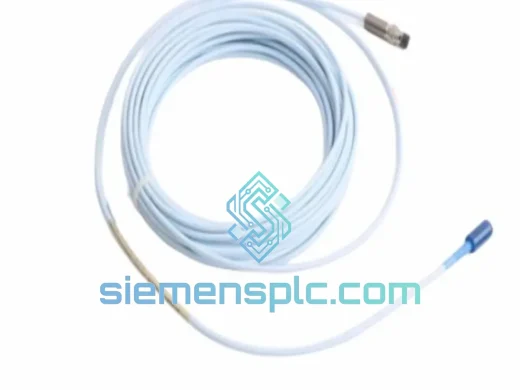
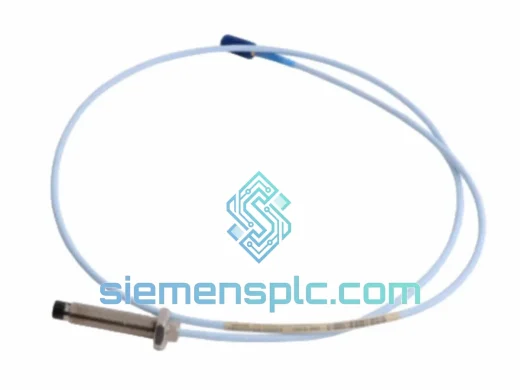
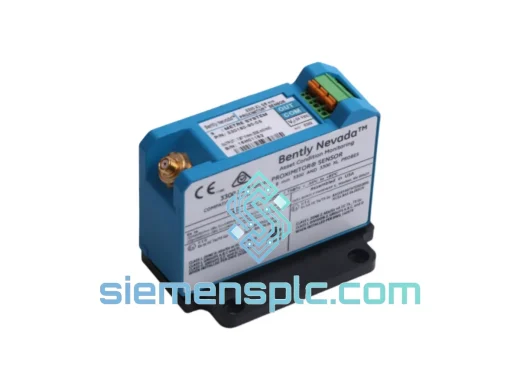
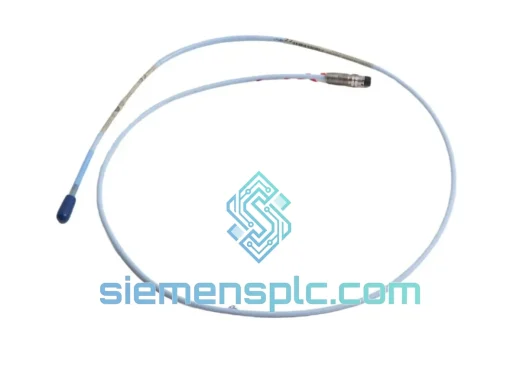
Bently Nevada 330196-05-30-10-00 Proximity Probe – 3300 XL ETR
3301
Origin US
Proximity Probe
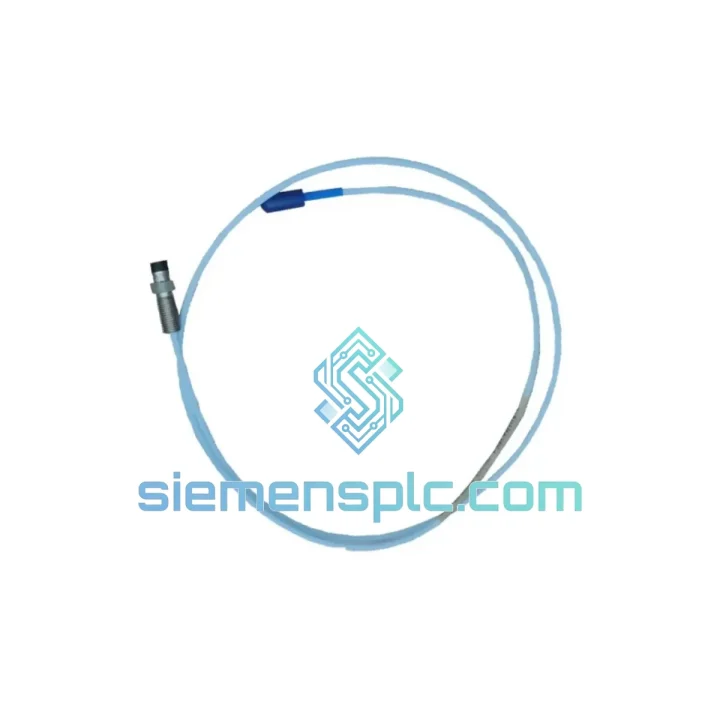
Request verified availability, condition, replacement risk review, packing options and courier lead time for 330171-00-20-05-02-00.
Click Request Quote and the part number is inserted into the inquiry form automatically.
Core fields for model confirmation and RFQ routing. Detailed product narrative remains below.
Every hour a turbine or compressor sits idle costs real money — production losses, penalty clauses, emergency labor. When your Bently Nevada 3300 XL proximity probe fails, you don’t have time to chase a distributor’s lead time. The 330171-00-20-05-02-00 is on the shelf in Xiamen right now. We’ve handled enough midnight calls from plant engineers to know what “urgent” actually means. Order confirmed before 18:00 CST ships same day.
URGENT REQUIREMENT? Contact: [email protected] | WhatsApp: +86 18359268345
| Parameter | Specification | Status |
|---|---|---|
| Part Number | 330171-00-20-05-02-00 | ✅ Ready to Ship |
| Manufacturer | Bently Nevada (Baker Hughes) | |
| Platform | 3300 XL Proximity Transducer System | |
| Probe Type | Eddy Current, Non-Contact | |
| Probe Diameter | 8 mm | |
| Cable Length | 5.0 m (integral) | |
| Linear Range | 0.25 mm – 2.25 mm | |
| Sensitivity | 7.87 V/mm (200 mV/mil) | |
| Frequency Response | DC to 10,000 Hz | |
| Operating Temperature | −35°C to +177°C | |
| Supply Voltage | −24 VDC via Proximitor® driver | |
| Output Signal | DC voltage, proportional to gap | |
| Target Material | AISI 4140 steel (calibration standard) | |
| Compliance | API 670, CE | |
| Country of Origin | USA | |
| Weight | ~1,100 g (probe + cable assembly) |
Ten years of field work teaches you that most 330171 failures fall into three buckets. Here’s how to diagnose fast and swap clean:
1. Probe Gap Out-of-Range Alarm (OK LED off, –24 V supply present)
First suspect: probe tip physically damaged or shaft journal worn beyond the 2.25 mm linear limit. Measure static gap with a feeler gauge before condemning the probe. If gap is within spec and the alarm persists, check the extension cable (330130 series) for continuity — a cracked cable jacket from vibration fatigue is far more common than a dead probe body. Swap the cable first; it’s cheaper and faster.
2. Noisy or Erratic Vibration Signal (high baseline noise floor, no clear 1X peak)
Nine times out of ten this is a grounding issue, not a failed probe. Verify the Proximitor® driver chassis ground is bonded to the machinery skid ground, not the instrument cabinet ground. Floating grounds on offshore platforms are notorious for injecting 50/60 Hz noise into the eddy current circuit. If grounding checks out, inspect the probe tip for oil-varnish buildup — a cotton swab with isopropyl alcohol takes 30 seconds and has saved more than a few unnecessary replacements.
3. Probe Replacement — Step-by-Step
Before you pull the old probe, record the static gap voltage from the Proximitor® output (should read between −10 VDC and −14 VDC for a nominal 1.0–1.5 mm gap on a 3300 XL system). This is your baseline for the new probe. Steps:
4. Target Material Mismatch Warning
If the shaft journal has been repaired with a weld overlay or replaced with a non-standard alloy (17-4 PH stainless, Inconel 718, etc.), the factory calibration curve for AISI 4140 no longer applies. You will need a field calibration against the actual target material using a calibration fixture. Do not skip this step on API 670-critical machines — the sensitivity error can be as high as ±15%, which will shift your alarm and trip setpoints.
The 330171-00-20-05-02-00 is not a lab instrument. It was designed to live inside a compressor train enclosure where ambient temperatures swing from −20°C at startup to +150°C at steady-state, where lube oil mist coats every surface, and where the probe body absorbs continuous broadband vibration from the machinery it’s measuring. The stainless steel housing is hermetically sealed at the tip — no ingress path for oil, steam, or process gas. The integral cable jacket is rated for continuous flexing in high-vibration installations; the armor braid handles the mechanical load so the signal conductors don’t have to.
We’ve seen these probes pulled from compressors after 12+ years of continuous service with the tip still clean and the sensitivity curve within 2% of factory spec. That’s not marketing — that’s why the 3300 XL platform became the default choice for API 670 machinery protection worldwide. The unit you receive has been inspected for tip integrity, cable continuity, and connector condition before it leaves our warehouse. If it doesn’t pass, it doesn’t ship.
Our warehouse is in Xiamen, China — one of the most logistics-connected export hubs on the coast. DHL Express and FedEx International Priority both operate direct flights from Xiamen Gaoqi International Airport to major industrial hubs: Houston, Rotterdam, Singapore, Dubai, Mumbai, and beyond. Typical transit times:
All shipments include a commercial invoice, packing list, and country-of-origin certificate. HS code 9026.80 applies for most jurisdictions. If your plant requires an advance shipping notification (ASN) or specific carrier account billing, contact us before order confirmation — we handle both routinely for B2B customers. For orders requiring same-day dispatch, confirm by 18:00 CST. We do not hold urgent shipments for paperwork — documentation is prepared in parallel with packing.
📧 Email: [email protected]
💬 WhatsApp: +86 18359268345
🌐 Web: siemensplc.com
© 2026 siemensplc.com. All rights reserved.
We check the full part number, brand, series and visible nameplate information before quotation.
Sales confirms stock path, condition option, quantity and realistic lead time for export dispatch.
DHL, FedEx, UPS or buyer courier arrangements can be reviewed with packing requirements.
Similar brand or category products for fast comparison and multi-item RFQ lists.