Bently Nevada
RFQ Ready
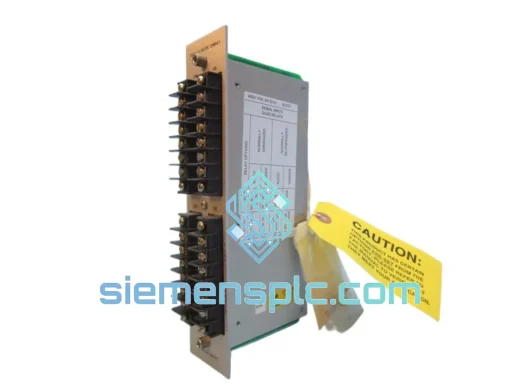
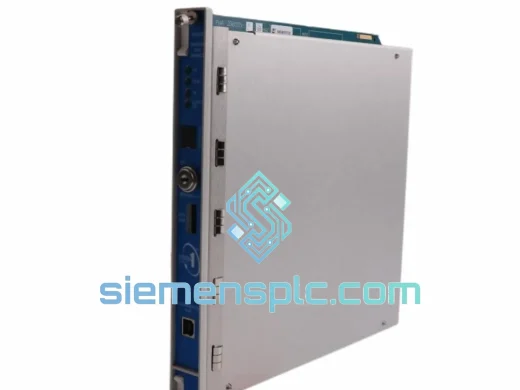
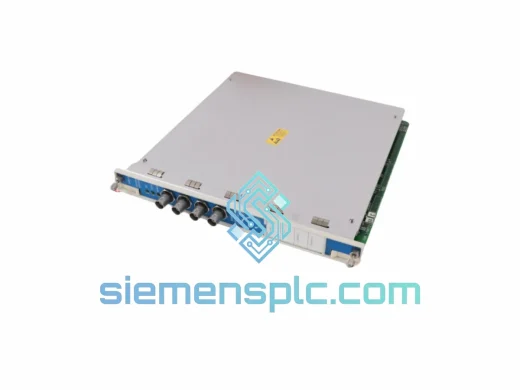
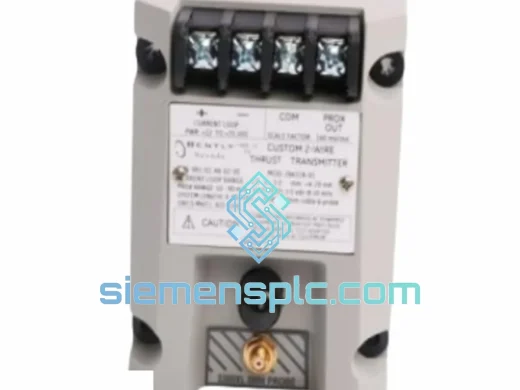
Bently Nevada 991-06-XX-01-00 Thrust Position Transmitter
3500 Series
Origin US
Thrust Position Transmitter
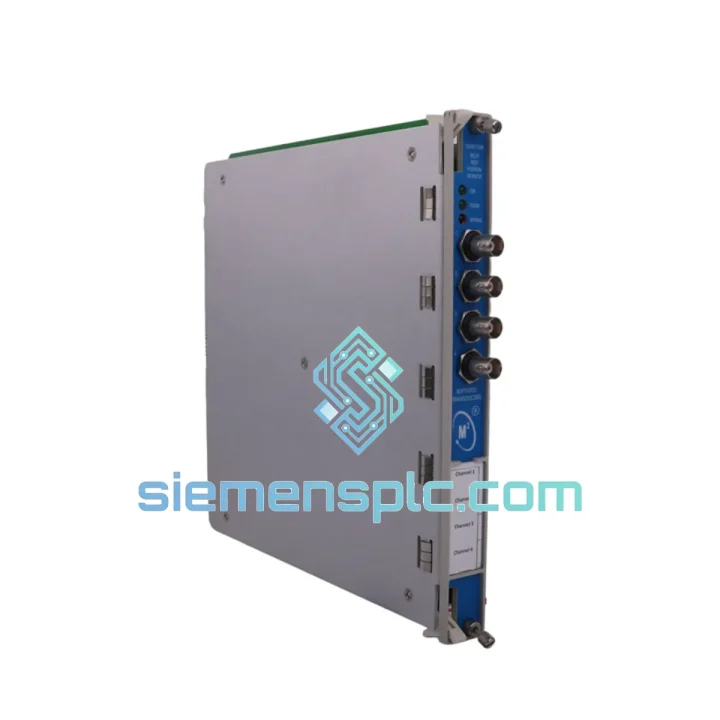
Request verified availability, condition, replacement risk review, packing options and courier lead time for 3500/72M.
Click Request Quote and the part number is inserted into the inquiry form automatically.
Core fields for model confirmation and RFQ routing. Detailed product narrative remains below.
You’re not reading a product page because things are going well. A 3500/72M 176449-08 has failed, rod drop protection is gone, and your reciprocating compressor is either tripped or running blind. Every hour that machine stays offline — or worse, runs unprotected — is a number your plant manager is already calculating. We’ve been through this scenario hundreds of times. Here’s the short version: we have the module, it’s tested, and it can be at your door in 2–5 business days via DHL or FedEx from Xiamen.
No allocation queues. No OEM lead-time excuses. No untested pulls from a dead rack. Every Bently Nevada 3500/72M 176449-08 we ship has been powered up in a live 3500 chassis, channel-verified against known-good proximity probe signals, and confirmed OK before it goes into the shipping box. That’s the only way we operate.
⚡ URGENT REQUIREMENT? Contact: [email protected] | WhatsApp: +86 18359268345
| Manufacturer | Bently Nevada (Baker Hughes) |
| Part Number | 176449-08 |
| Model | 3500/72M |
| Platform | Bently Nevada 3500 Machinery Protection System |
| Primary Function | Reciprocating Machinery Monitor — Rod Drop & Rod Runout |
| Monitored Channels | 4 channels (2 rod-drop pairs) |
| Transducer Compatibility | Bently Nevada 3300 XL & 7200 Series eddy-current proximity probes |
| Analog Output | 4–20 mA per channel (buffered) |
| Rack Interface | 3500 TDI backplane bus (enhanced backplane compatible) |
| Power Supply | 24 VDC via rack backplane (3500/15 or 3500/15E PSU) |
| Operating Temperature | 0 °C to +65 °C continuous |
| Storage Temperature | −40 °C to +85 °C |
| Certifications | CE marked; SIL 2 capable at system level |
| Form Factor | Single-slot 3500 rack card |
| Approximate Weight | 850 g |
| Availability | ✅ In Stock — Ready to Ship from Xiamen |
Pulling a 3500/72M 176449-08 under pressure is not complicated — but there are four places where engineers waste time or create new problems. Here’s the field-tested sequence:
Before you pull the card — rule out the probe chain first. Measure the proximitor output voltage at the I/O terminal block. A healthy 3300 XL proximitor at normal gap reads between −10 VDC and −18 VDC. If you’re seeing 0 V or a hard rail at −24 V, the fault is in the field wiring or the proximitor itself — not the monitor card. Swapping the 3500/72M will not fix a dead probe. This single check eliminates roughly 40% of unnecessary card replacements.
Backplane revision matters for the -08 suffix. The 176449-08 variant is optimized for the enhanced 3500 backplane. If your rack predates the enhanced backplane revision, the replacement card may fail self-diagnostics at power-up — not a hardware defect, but a firmware/backplane mismatch. Check the RIM (Rack Interface Module) firmware version before insertion. If in doubt, contact us — we can advise on compatibility before you ship.
Setpoints do not live in the module. This is the most dangerous assumption in a hot-swap scenario. The 3500/72M stores no alarm or danger setpoints internally. All trip and alert thresholds reside in the rack configuration file. After inserting the replacement card, you must re-download the configuration from System 1 or the 3500 Rack Configuration Software before returning the compressor to service. Running without a downloaded configuration means rod drop protection is not active — the module will appear healthy while providing zero protection.
Terminate unused input channels. The 176449-08 provides four channels across two rod-drop pairs. If your application uses only one pair, the unused input channels must be terminated per the installation manual. Floating inputs generate spurious OK/Not OK transitions that can mask genuine faults or trigger nuisance trips during startup.
Common fault indicators and their real causes:
Final verification before returning to service: With the compressor at rest, use a calibrated signal simulator or manually adjust probe gap (where accessible) to confirm the monitor responds correctly across the full measurement range. Verify that alert and danger relays operate at the configured setpoints. Document the verification in your maintenance record — your reliability engineer will thank you, and your auditor will require it.
Reciprocating compressor instrument rooms are not gentle environments. The 3500/72M 176449-08 is built to stay online where general-purpose instrumentation fails within months.
Vibration: Recip compressors transmit broadband mechanical vibration through the skid structure and into any instrument rack mounted nearby. The 3500/72M PCB uses conformal coating, vibration-rated component mounting, and a rigid card-edge connector system that maintains electrical continuity under continuous mechanical excitation. Bently Nevada qualifies the 3500 series to IEC 60068-2-6 (sinusoidal vibration) and IEC 60068-2-64 (random vibration) — the same standards used for avionics and offshore instrumentation.
Thermal stress: Compressor stations in the Arabian Gulf, Siberian gas fields, and tropical LNG facilities expose instrument enclosures to temperature extremes that cycle daily. The 3500/72M operates continuously from 0 °C to +65 °C, with internal power regulation maintaining analog output accuracy across the full thermal range. Storage ratings extend to −40 °C, so the module survives cold-climate warehousing without degradation.
Humidity and corrosive atmosphere: Coastal and offshore installations subject electronics to salt-laden humid air that corrodes unprotected PCB traces within months. The conformal coating on the 3500/72M board provides a continuous barrier against moisture ingress, salt fog, and hydrocarbon vapors — maintaining insulation resistance and preventing the dendritic growth that causes intermittent faults in uncoated boards.
Electromagnetic interference: Compressor skids are electrically hostile — VFDs, high-current motor starters, and arc welding equipment generate interference that corrupts measurements on poorly designed instrumentation. The 3500/72M uses a differential input architecture and fully shielded signal paths, providing robust common-mode rejection that keeps rod position measurements clean regardless of what else is running on the skid.
We do not ship modules that have not been powered up and verified. Every unit leaves Xiamen with a test record.
Our warehouse operates in Xiamen, Fujian — a primary Chinese export hub with direct daily flights to DHL and FedEx international sort facilities. When you confirm an order, here is exactly what happens:
For genuine production emergencies — compressor tripped, plant halted — send a WhatsApp message to +86 18359268345 with your shipping address and we will confirm stock and dispatch timeline within 30 minutes during business hours.
📧 Email: [email protected]
💬 WhatsApp: +86 18359268345
🌐 Web: siemensplc.com
© 2026 siemensplc.com. All rights reserved.
We check the full part number, brand, series and visible nameplate information before quotation.
Sales confirms stock path, condition option, quantity and realistic lead time for export dispatch.
DHL, FedEx, UPS or buyer courier arrangements can be reviewed with packing requirements.
Similar brand or category products for fast comparison and multi-item RFQ lists.