GE
RFQ Ready
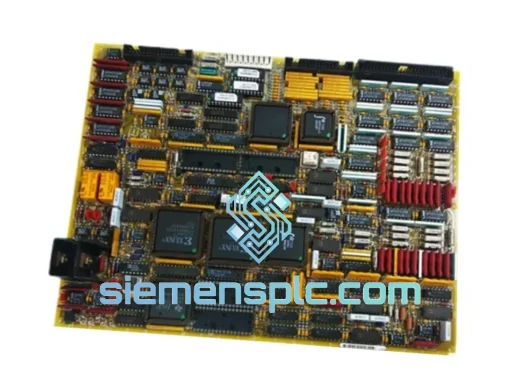
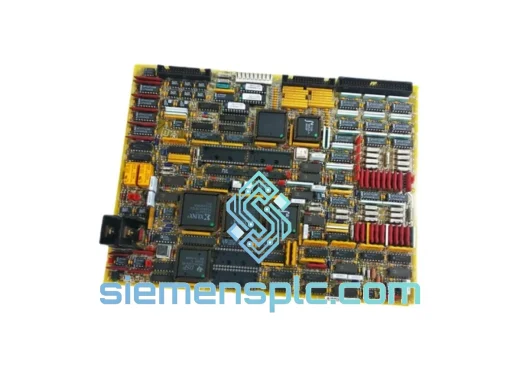
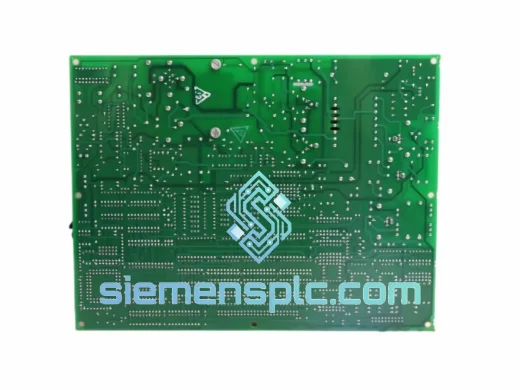
GE DS200TCQCG1BKG Turbine Control Module – Mark V Series
Mark V
Origin US
Turbine Control Module
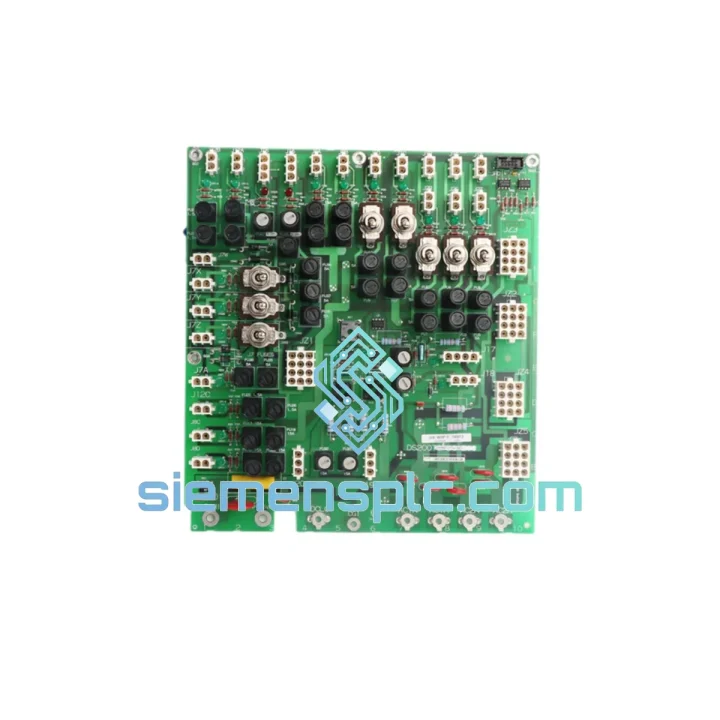
Request verified availability, condition, replacement risk review, packing options and courier lead time for DS200TCQCG1B.
Click Request Quote and the part number is inserted into the inquiry form automatically.
Core fields for model confirmation and RFQ routing. Detailed product narrative remains below.
A tripped DS200TCQCG1B doesn’t just pull one channel offline. It blinds the entire overflow I/O subsystem on your Mark V TCQC board set. Analog inputs go dark. The turbine trips on a protection interlock. Your operations team is standing around a panel that won’t respond, and your maintenance window is burning. We have this card on the shelf in Xiamen. Confirmed stock. Ships today. That’s the only fact that matters right now.
URGENT REQUIREMENT? Contact: [email protected] | WhatsApp: +86 18359268345
| Parameter | Specification |
|---|---|
| Part Number | DS200TCQCG1B |
| Manufacturer | General Electric (GE) |
| Platform | Mark V Speedtronic Gas Turbine Control System |
| Card Function | I/O Channel Overflow Expansion — TCQC Board Set |
| Revision | G1B (cross-compatible with G1A in R4.x+ firmware environments) |
| Form Factor | Single-width PCB, rack-mount, Mark V backplane interface |
| Supply Voltage | +5 VDC / ±15 VDC via Mark V backplane (no external PSU required) |
| Operating Temp | 0°C to +60°C continuous |
| Humidity Range | 5%–95% RH, non-condensing |
| Address Assignment | Auto-addressed by Mark V backplane — no DIP switch configuration |
| Condition | Surplus / Bench-Tested — Fully Operational |
| Warranty | 12 Months from dispatch date |
| Stock Status | ✅ Ready to Ship — Xiamen Warehouse |
| Dispatch Cutoff | Orders confirmed before 15:00 CST ship same day |
Ten years of field work across gas turbine plants, compressor stations, and combined-cycle facilities teaches you one thing: when the Mark V throws a TCQC overflow fault, most engineers go straight for the TCQC board. That’s the wrong move 60% of the time. The DS200TCQCG1B is the first card to check.
Fault Patterns That Point Directly to the DS200TCQCG1B:
Step-by-Step Replacement — What Actually Matters in the Field:
GE designed the Mark V platform for environments that would destroy standard industrial electronics within months. Gas turbine enclosures run hot, vibrate continuously, and in coastal or offshore installations, the atmosphere is corrosive. The DS200TCQCG1B was built to operate in all of it without complaint.
The PCB substrate uses materials selected for thermal stability across the full 0–60°C operating range. Production-revision boards carry conformal coating on the component side — a critical detail in high-humidity environments like coastal power plants and offshore platforms where uncoated boards develop leakage paths between traces within a few years of service. The edge connector uses gold-plated contacts to resist the oxidation that causes intermittent faults in high-humidity installations. That gold plating is not a premium feature — in a coastal environment, it’s the difference between a card that works for ten years and one that starts dropping channels in three.
Vibration tolerance is addressed at the mechanical design level. Component placement on the DS200TCQCG1B minimizes resonance points at the frequencies generated by gas turbine operation. The card’s retention mechanism in the Mark V rack maintains positive backplane contact under continuous vibration — a failure mode that affects cards with worn retention tabs and is often misdiagnosed as a backplane fault.
The surplus units we stock come from planned outages and system decommissions — cards that have already proven themselves in operating turbine environments. Every unit is bench-tested under powered conditions against GE DS200-series signal parameters before it enters our inventory. Visual inspection alone is not a test. We don’t ship cards that haven’t been verified under load.
Xiamen is one of the most logistics-connected cities in China, with direct access to DHL, FedEx, and UPS international express networks operating out of Xiamen Gaoqi International Airport. When your plant is down, the shipping lane is as critical as the part.
If your procurement team requires a formal quotation with itemized shipping costs before issuing a purchase order, send your destination country and required delivery date to [email protected]. Quotes are turned around within 2 hours during business hours (CST).
Email: [email protected]
WhatsApp: +86 18359268345
Web: siemensplc.com
© 2026 siemensplc.com. All rights reserved.
We check the full part number, brand, series and visible nameplate information before quotation.
Sales confirms stock path, condition option, quantity and realistic lead time for export dispatch.
DHL, FedEx, UPS or buyer courier arrangements can be reviewed with packing requirements.
Similar brand or category products for fast comparison and multi-item RFQ lists.