Honeywell
RFQ Ready
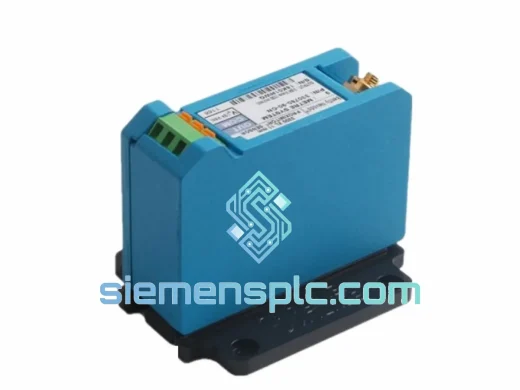
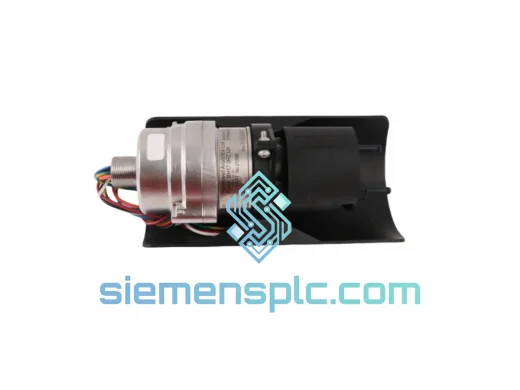
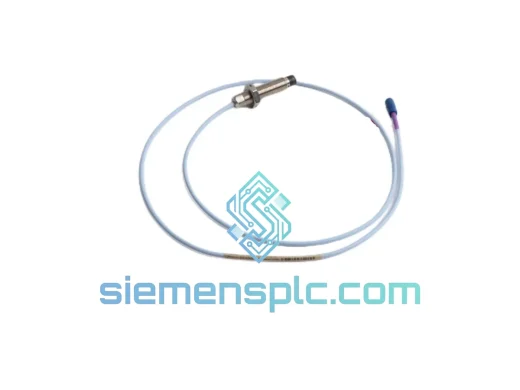
HONEYWELL 330703-000-060-10-02-00 Proximity Probe
3300 XL
Origin US
Proximity Probe
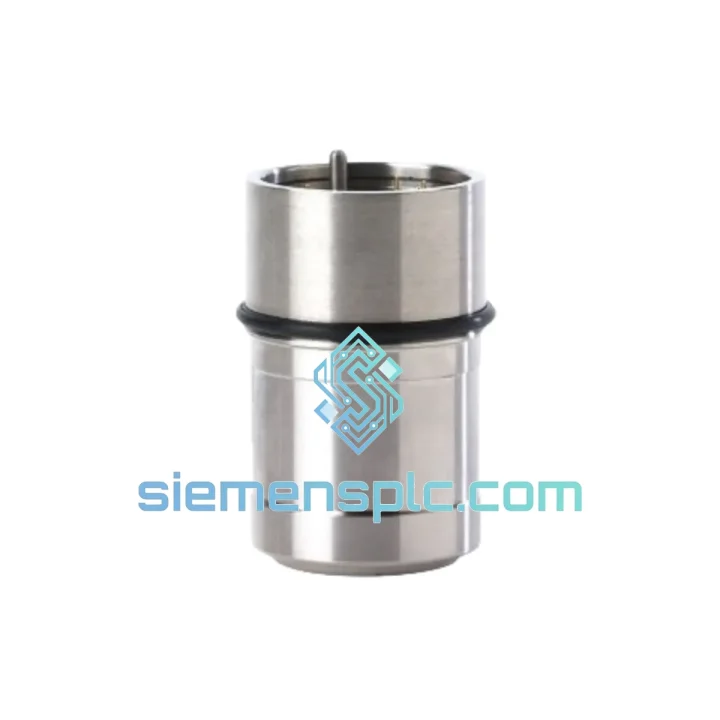
Request verified availability, condition, replacement risk review, packing options and courier lead time for SPXCDXSFXSS.
Click Request Quote and the part number is inserted into the inquiry form automatically.
Core fields for model confirmation and RFQ routing. Detailed product narrative remains below.
The SPXCDXSFXSS is a field-replaceable catalytic bead (pellistor) sensor cartridge manufactured by Honeywell Analytics for the XCD Series fixed gas detector platform. Its function within a gas detection control loop is straightforward but operationally critical: it converts the thermal energy released during catalytic oxidation of a flammable gas into a measurable resistance differential across a Wheatstone bridge circuit. That differential, proportional to gas concentration, is transmitted as a 4–20 mA analog signal to the XCD controller, which compares it against pre-configured alarm thresholds and triggers relay outputs accordingly.
In a typical safety instrumented system (SIS) or basic process control system (BPCS), the SPXCDXSFXSS occupies the field-sensing layer — the first point of detection before any logic solver or final element acts. Its accuracy and stability directly determine the integrity of the entire detection chain. A sensor that drifts by 5% LEL without indication can delay alarm activation by seconds that matter in a confined-space or high-vapor-pressure environment. The SPXCDXSFXSS addresses this through a matched bead pair design: one active (detector) bead coated with a platinum-group catalyst, one reference (compensator) bead inert to combustion, both embedded in a thermally stable ceramic substrate. The bridge output remains stable across ambient temperature swings of −40 °C to +65 °C without requiring field recalibration for temperature compensation.
The cartridge form factor eliminates the need for full detector head replacement at end of sensor service life. Maintenance personnel can swap the SPXCDXSFXSS in the field without breaking conduit seals or disturbing the XCD controller wiring, reducing mean time to restore (MTTR) to under 15 minutes in most installations. This is particularly relevant in classified hazardous areas (Zone 1/Zone 2, Class I Division 1/2) where hot-work permits and area isolation add significant cost to any maintenance event.
Real-time Stock & RFQ: [email protected] | WhatsApp: +86 18359268345
| Parameter | Specification |
|---|---|
| Part Number | SPXCDXSFXSS |
| Manufacturer | Honeywell Analytics |
| Compatible Platform | Honeywell XCD Series Fixed Gas Detector |
| Detection Principle | Catalytic bead (pellistor) — Wheatstone bridge |
| Target Hazard | Flammable gases and vapors (hydrocarbons, H₂) |
| Measurement Range | 0–100% LEL |
| Operating Temperature | −40 °C to +65 °C |
| Output Signal | 4–20 mA (via XCD controller) |
| Sensor Form Factor | Field-replaceable cartridge |
| Hazardous Area Rating | Zone 1/2 (ATEX); Class I Div 1/2 (UL/CSA) — verify per XCD controller cert |
| Typical Sensor Service Life | 2–3 years (application-dependent) |
| Shipping Weight | 3,000 g |
| Warranty | 12 months from date of dispatch |
The pellistor sensing mechanism in the SPXCDXSFXSS operates on a differential thermal conductivity principle. The active bead is impregnated with a platinum-group metal catalyst that lowers the activation energy for hydrocarbon oxidation at the bead surface. When flammable gas diffuses through the sintered stainless steel flame arrestor and contacts the active bead, exothermic oxidation raises the bead temperature, increasing its electrical resistance. The reference bead, chemically inert, maintains a stable resistance baseline. The Wheatstone bridge converts this resistance differential into a millivolt-level output proportional to gas concentration in % LEL.
EMC and Electrical Noise Immunity: The XCD platform’s signal conditioning circuitry applies low-pass filtering to the bridge output before analog-to-digital conversion, suppressing high-frequency electrical noise common in variable-frequency drive (VFD) environments. The 4–20 mA current loop transmission from sensor to controller is inherently noise-immune over long cable runs — a critical advantage in large-footprint installations such as tank farms or compressor stations where cable lengths may exceed 300 m.
Poison and Inhibitor Resistance: Catalytic bead sensors are susceptible to catalyst poisoning by silicone compounds, lead, and halogenated solvents. Honeywell’s catalyst formulation in the SPXCDXSFXSS incorporates a protective overcoat layer that extends resistance to low-level silicone contamination — a common failure mode in facilities using silicone-based lubricants or sealants. This does not eliminate the need for periodic bump testing, but it extends the interval between sensitivity degradation events under typical industrial conditions.
Flame Arrestor Design: The sintered stainless steel flame arrestor integrated into the cartridge housing prevents ignition propagation from the hot bead surface to the surrounding atmosphere — a mandatory design requirement for intrinsically safe and explosion-proof sensor installations. The arrestor pore geometry is sized to quench flame propagation for the full range of target gases, including hydrogen (minimum ignition energy: 0.017 mJ), which imposes the most stringent arrestor specification of any common industrial flammable gas.
Every SPXCDXSFXSS unit supplied through our inventory is sourced as genuine Honeywell Analytics OEM product. Authenticity is verified against Honeywell part number databases, original packaging standards, and lot traceability records maintained for each procurement batch. Units are inspected for physical integrity — cartridge housing, flame arrestor condition, connector pin alignment, and label accuracy — prior to dispatch.
Packaging for international shipment uses anti-static inner wrap and moisture-barrier outer cartons, protecting the catalytic bead element from humidity exposure during transit. Sensor cartridges are sensitive to prolonged high-humidity storage; our warehouse in Xiamen, China maintains controlled storage conditions to preserve sensor baseline stability prior to installation.
From Xiamen, we dispatch to global destinations via DHL Express, FedEx International Priority, and UCP air freight, with typical transit times of 3–7 business days to Europe, North America, Southeast Asia, and the Middle East. Full commercial documentation — commercial invoice, packing list, certificate of origin, and test reports where available — is provided with each shipment to support customs clearance and project documentation requirements.
All units carry a 12-month warranty from the date of dispatch, covering manufacturing defects and confirmed authenticity. Warranty claims are processed with full supply chain traceability documentation.
Email: [email protected]
WhatsApp: +86 18359268345
Web: siemensplc.com
Location: Xiamen, China
© 2026
We check the full part number, brand, series and visible nameplate information before quotation.
Sales confirms stock path, condition option, quantity and realistic lead time for export dispatch.
DHL, FedEx, UPS or buyer courier arrangements can be reviewed with packing requirements.
Similar brand or category products for fast comparison and multi-item RFQ lists.