KAWASAKI
RFQ Ready
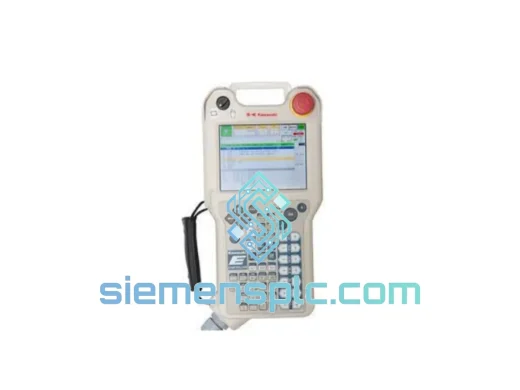
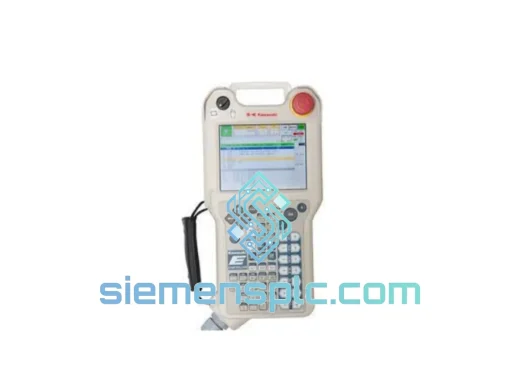
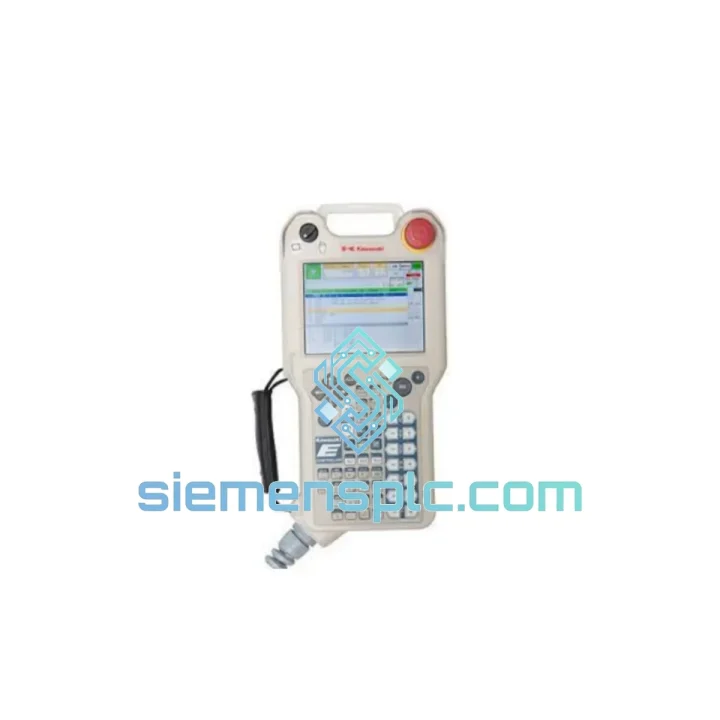
Kawasaki 50817-0128L05 HMI Display Module – Robot Controller Series
Robot
Origin Japan
HMI Display Module
Request verified availability, condition, replacement risk review, packing options and courier lead time for 50817-0066.
Click Request Quote and the part number is inserted into the inquiry form automatically.
Core fields for model confirmation and RFQ routing. Detailed product narrative remains below.
Your robot line is down. Every minute the Kawasaki teach pendant sits dark costs you throughput, shift bonuses, and customer commitments. The Kawasaki 50817-0066 LCD Display Panel is the exact OEM component that brings your operator interface back to life — and we have it on the shelf in Xiamen, ready to move via DHL or FedEx within hours of your order confirmation. No lead-time games, no “check back in two weeks.” This is the part, this is the stock, this is the ship date.
URGENT REQUIREMENT? Contact: [email protected] | WhatsApp: +86 18359268345
| Parameter | Specification |
|---|---|
| Part Number | 50817-0066 |
| Manufacturer | Kawasaki Robotics |
| Component Type | LCD Display Panel — Teach Pendant |
| Display Size | 5.7″ STN LCD |
| Resolution | 640 × 480 (VGA) |
| Backlight Type | CCFL |
| Interface | Parallel / proprietary Kawasaki TP connector |
| Compatible Controllers | D-series, E-series, F-series Kawasaki Robot Controllers |
| Operating Temperature | 0°C to +50°C |
| Storage Temperature | -20°C to +60°C |
| Weight | ~900 g |
| Country of Origin | Japan |
| Condition | New OEM |
| Stock Status | ✔ Ready to Ship — Xiamen Warehouse |
After handling hundreds of Kawasaki teach pendant failures across automotive stamping lines and foundry cells, here is what actually matters when you are standing in front of a dead pendant at 2 AM:
Fault Code E1-0x30 / Blank Screen on Power-Up
Nine times out of ten this is the CCFL backlight inverter failing before the LCD panel itself. Before condemning the 50817-0066, probe the inverter board output — you should see 600–800 V AC at startup. If the inverter is dead, the panel looks dead even when it is fine. Replace the inverter first; if the screen still shows no image or heavy ghosting, then the 50817-0066 panel itself has failed.
Step-by-Step Panel Swap
Firmware Compatibility Note
The 50817-0066 does not carry embedded firmware — it is a passive display panel. No firmware flashing is required after replacement. However, if your controller is running D-series firmware below version 8.x, the touch calibration routine must be re-run from the controller menu after panel swap: System → Maintenance → TP Calibration. Skip this step and your touch zones will be offset by 15–20 pixels — enough to make menu navigation unreliable.
Common Misdiagnosis
Vertical line artifacts across the display are almost always a damaged FFC ribbon, not a failed panel. Inspect the ribbon under magnification before ordering a replacement panel. A $12 ribbon cable has saved many engineers from an unnecessary $400 panel purchase.
Kawasaki teach pendants live in environments that would destroy consumer electronics in a week. The 50817-0066 is built to operate continuously in conditions that most display panels cannot tolerate.
The STN LCD matrix is rated for operation at ambient temperatures up to 50°C — relevant in foundry environments where radiant heat from furnaces pushes ambient well above standard room temperature. The panel’s polarizer film is UV-stabilized, preventing the yellowing and delamination that plagues cheaper aftermarket panels within 12–18 months of installation in high-UV welding cells.
Vibration resistance is a genuine engineering consideration for any component mounted to a handheld pendant that gets set down hard on steel fixtures dozens of times per shift. The 50817-0066 uses a rigid metal frame with foam-backed mounting that absorbs shock loads up to 15G — consistent with IEC 60068-2-27 shock test profiles. The FFC connector’s ZIF latch mechanism maintains contact integrity through repeated thermal cycling, unlike push-in connectors that develop intermittent faults after 6–12 months in high-cycle environments.
Humidity is the silent killer of industrial displays. Condensation inside a teach pendant housing — common in facilities with aggressive washdown procedures or large temperature swings between shifts — attacks the LCD polarizer and the FFC contacts simultaneously. The 50817-0066’s sealed panel construction and conformal-coated driver PCB provide meaningful protection against moisture ingress at humidity levels up to 90% RH non-condensing. This is not a marketing claim; it is the operating envelope Kawasaki validates for their robot system warranty.
Stock is held at our Xiamen warehouse, positioned specifically for fast international dispatch. Xiamen Gaoqi International Airport has direct cargo connections to DHL and FedEx hub networks, which means your part moves without the domestic transfer delays that add 24–48 hours to shipments originating from inland Chinese cities.
Standard dispatch timeline: Orders confirmed before 14:00 CST ship same business day. Orders confirmed after 14:00 CST ship the following morning. Export documentation — commercial invoice, packing list, and HS code declaration — is prepared in parallel with packing, not after. This eliminates the customs clearance delays that are the most common cause of DHL shipments sitting at origin for an extra day.
Typical transit times from Xiamen:
All shipments include real-time tracking from pickup to delivery. For critical downtime situations, contact us directly on WhatsApp — we can arrange Saturday dispatch and provide the airway bill number within 2 hours of shipment.
ESD-safe packaging is standard: the panel ships in an anti-static bag inside a foam-lined rigid box. No bubble wrap, no loose packing peanuts. The outer carton is double-walled and labeled FRAGILE / THIS SIDE UP on all six faces.
Email: [email protected]
WhatsApp: +86 18359268345
Web: siemensplc.com
© 2026 siemensplc.com. All rights reserved.
We check the full part number, brand, series and visible nameplate information before quotation.
Sales confirms stock path, condition option, quantity and realistic lead time for export dispatch.
DHL, FedEx, UPS or buyer courier arrangements can be reviewed with packing requirements.
Similar brand or category products for fast comparison and multi-item RFQ lists.