TEL
RFQ Ready
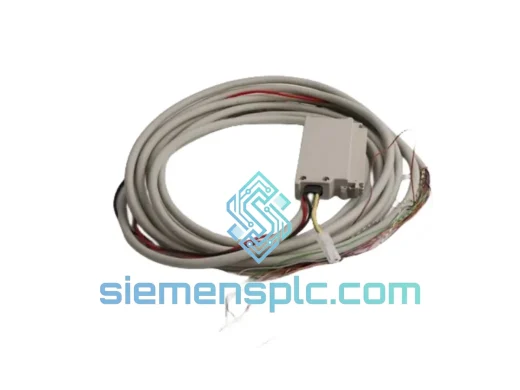
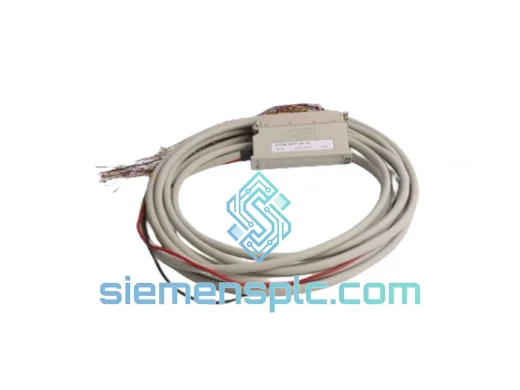
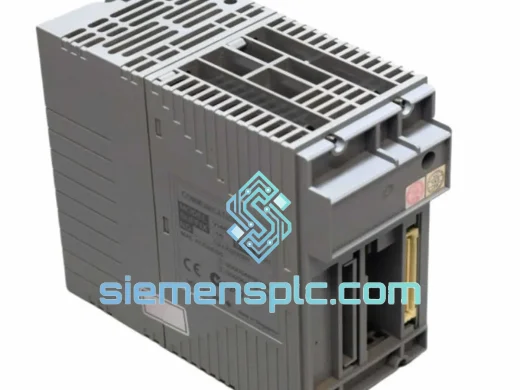
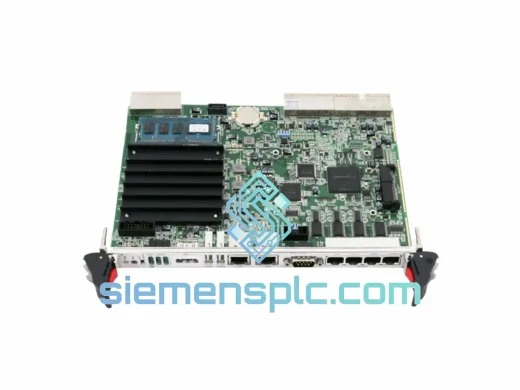
TEL E2B119-12/86MC E281-005036-12 Control Board – E281-005036 Series
E281-005036 Series
Origin Japan
Control Board
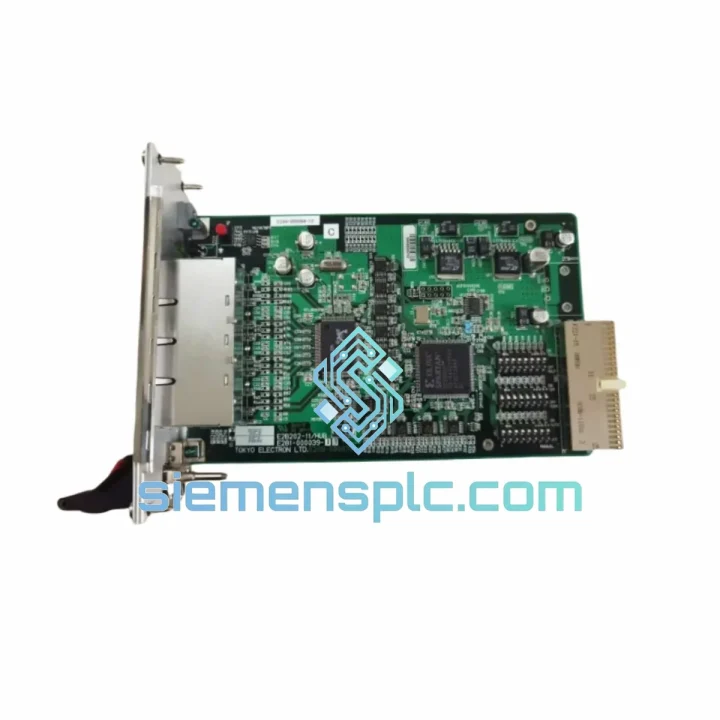
Request verified availability, condition, replacement risk review, packing options and courier lead time for E2B202-11.
Click Request Quote and the part number is inserted into the inquiry form automatically.
Core fields for model confirmation and RFQ routing. Detailed product narrative remains below.
A failed E2B202-11 control card in your TEL HVB rack is not a maintenance event — it is a production crisis. Wafer lots stall. Chamber utilization collapses. Yield engineers start asking questions nobody wants to answer. The part you need is sitting in our Xiamen warehouse right now, inspected, ESD-bagged, and staged for same-day dispatch. We have shipped this exact card to fabs in Singapore, Germany, South Korea, and the United States — all on emergency timelines. We know what is at stake when you call.
URGENT REQUIREMENT? Contact: [email protected] | WhatsApp: +86 18359268345
| Parameter | Specification |
|---|---|
| Manufacturer | TEL – Tokyo Electron Limited |
| Primary Part Number | E2B202-11 |
| Alternate / Cross P/N | HVB E281-000039-13 |
| Series | HVB / E2B Series |
| Category | DCS Control Card / PCB Module |
| Form Factor | PCB Card – HVB E281 Form Factor |
| Compatible Platforms | TEL Trias, Tactras, HVB Series Backplanes |
| Country of Origin | Japan |
| Packaged Weight | ~5,300 g |
| Condition | New / Tested Surplus (specify on inquiry) |
| Stock Status | ✔ READY TO SHIP — Xiamen Warehouse |
| Dispatch Cutoff | Same-day if order confirmed before 15:00 CST |
The E2B202-11 sits at the nerve center of the HVB rack’s distributed control architecture. It handles recipe sequencing commands, I/O arbitration, and node-level communication with the host controller. When it fails, the symptoms are rarely subtle — but they are frequently misread, costing engineers hours chasing the wrong subsystem.
Failure Pattern 1 — Node Timeout / ERR-E2B-COMM: The card drops off the backplane communication bus. Before pulling the card, reseat it and inspect the HVB backplane connector for oxidation or bent signal pins. Humid fab environments accelerate contact degradation. If the error returns within minutes of reseating, the card’s onboard communication IC or FPGA has failed — replace the card.
Failure Pattern 2 — Intermittent Process Abort Mid-Recipe: This one gets misdiagnosed constantly. Engineers chase sensor calibration, gas flow controllers, or RF matching networks for days. The actual cause is timing drift from degraded capacitors on the E2B202-11’s power rail. The drift only surfaces under thermal load after the card has been running for 30–60 minutes. Swap the card first. If the aborts stop, you have your answer.
Failure Pattern 3 — Card Not Recognized After Power Cycle: The HVB backplane uses slot-based node addressing. Replacement cards must be configured to match the original slot address before installation. On the E2B202-11, this is set via onboard DIP switch bank SW1/SW2. Photograph the switch positions on the failed card before extraction — this takes 10 seconds and saves you a second round of troubleshooting. Some HVB backplane revisions also require a manual address assignment through the equipment’s maintenance terminal after card insertion.
Failure Pattern 4 — Firmware Version Mismatch Alarm on Boot: TEL equipment performs a firmware handshake during initialization. If the replacement card carries a different firmware revision than the system expects, the equipment will throw a version mismatch alarm and refuse to enter run mode. Pull the current system firmware version from the maintenance terminal before ordering. Contact us with that version string — we can confirm compatibility or source a card with the matching firmware revision.
Field Replacement Procedure (Condensed):
Semiconductor process equipment does not operate in a controlled office environment. The E2B202-11 runs continuously in bays where ambient chemistry, thermal cycling, and vibration would destroy consumer-grade electronics within weeks. TEL engineered this card for exactly that environment, and the design choices reflect it.
The PCB substrate uses a high-Tg laminate that maintains dimensional stability through repeated thermal cycles — critical in process bays where card cage temperatures fluctuate with chamber load. Conformal coating on the signal trace layer provides a chemical barrier against the trace HF, chlorine, and NMP compounds that migrate through fab HVAC systems and attack unprotected copper over time. This is not a cosmetic feature; it is the difference between a card that lasts three years and one that fails in six months.
Vibration tolerance is addressed at the mechanical level. The HVB card cage uses a guided rail system with positive-locking ejectors that prevent the micro-movement responsible for intermittent contact failures — a failure mode that is nearly impossible to reproduce on a bench but causes repeated nuisance aborts in production. Onboard electrolytic capacitors are rated for 105°C continuous operation, handling the thermal soak that accumulates in densely populated card cages running 24/7 across multiple shifts.
Every unit dispatched from our Xiamen facility passes a pre-shipment inspection covering physical integrity, connector condition, and bench power verification. Cards showing anomalous power draw, delamination, component tombstoning, or solder joint cracking are quarantined and do not ship. What arrives at your dock is a card we would install in our own equipment.
Our warehouse is in Xiamen, Fujian — a primary export hub with direct DHL Express and FedEx International Priority gateway access. When you confirm an order, here is exactly what happens:
Need a compatibility check before committing? Have a firmware version to verify? Reach us directly — we respond within the hour during business hours and monitor WhatsApp around the clock for genuine emergencies.
© 2026 siemensplc.com. All rights reserved.
We check the full part number, brand, series and visible nameplate information before quotation.
Sales confirms stock path, condition option, quantity and realistic lead time for export dispatch.
DHL, FedEx, UPS or buyer courier arrangements can be reviewed with packing requirements.
Similar brand or category products for fast comparison and multi-item RFQ lists.