Woodward
RFQ Ready
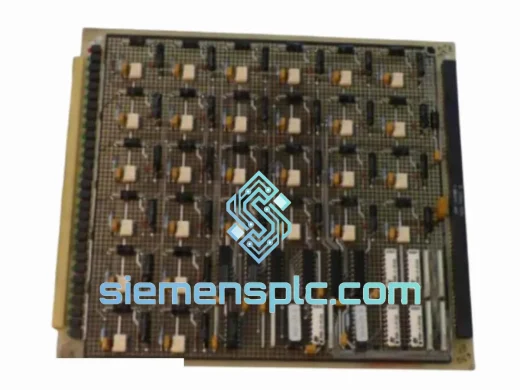
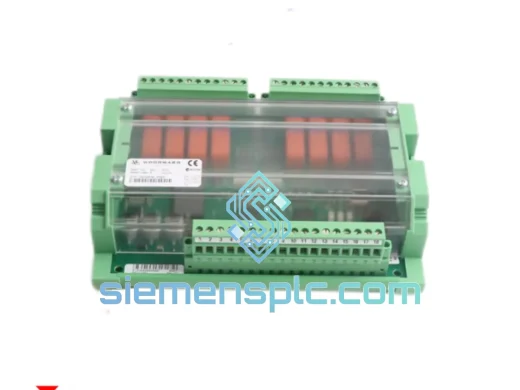
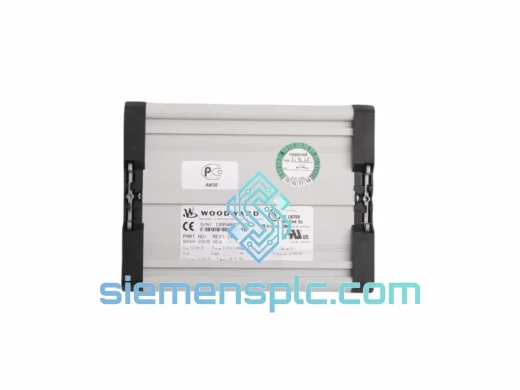
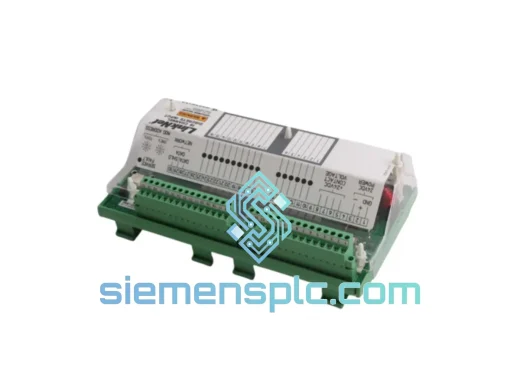
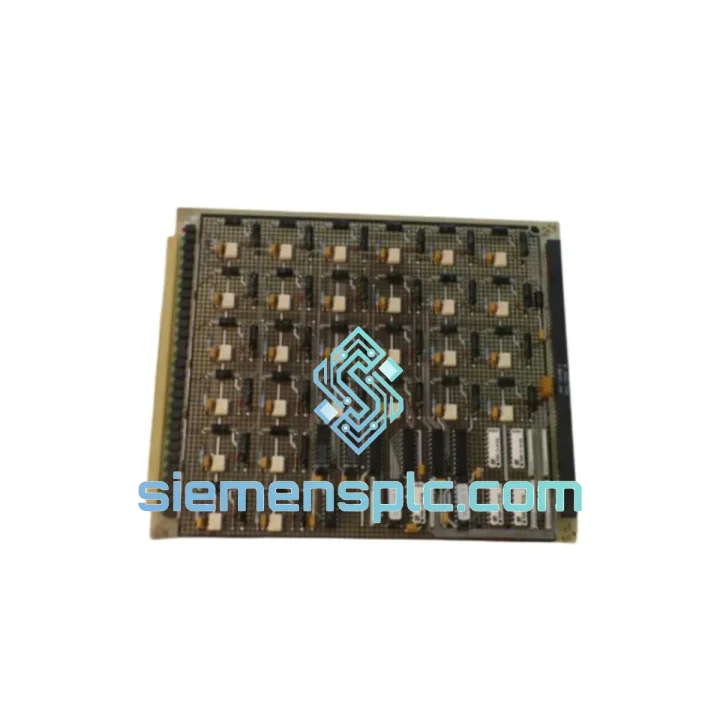
WOODWARD 9905-971 Analog Input Module – 9900 Series
9900 Series
Origin US
Analog Input Module
Request verified availability, condition, replacement risk review, packing options and courier lead time for 5462-757.
Click Request Quote and the part number is inserted into the inquiry form automatically.
Core fields for model confirmation and RFQ routing. Detailed product narrative remains below.
Your MicroNet chassis just flagged a slot fault. The 5462-757 discrete input card is no longer communicating. Valve position feedbacks, ESD trip contacts, speed switch outputs — all of it is now invisible to the CPU. The turbine is locked out. Your operations team is waiting. You don’t have time for a factory lead-time discussion.
This is exactly the scenario we stock for. The WOODWARD 5462-757 is a 24 VDC optically isolated discrete input module for the MicroNet Distributed Control System, used across gas turbine, steam turbine, compressor, and generator control applications worldwide. When this card fails, there is no software patch and no bypass — you need a physical replacement seated in the correct chassis slot before the unit restarts.
We hold verified stock in Xiamen. Orders confirmed before 14:00 CST ship the same day via DHL Express or FedEx International Priority. Export documentation is prepared in parallel with packing. The airway bill number reaches your inbox within two hours of dispatch.
⚡ URGENT REQUIREMENT? Contact: [email protected] | WhatsApp: +86 18359268345
| Parameter | Specification |
|---|---|
| Part Number | 5462-757 |
| Manufacturer | WOODWARD |
| Platform | MicroNet Distributed Control System (DCS) |
| Module Function | Discrete Input — Binary Signal Acquisition |
| Input Voltage | 24 VDC nominal; wet or dry contact compatible |
| Channel Isolation | Optical isolation per channel — galvanically separated from backplane |
| Slot Addressing | Chassis-slot based; no DIP switches or rotary encoders required |
| Firmware Loading | Automatic download from MicroNet CPU on power-up |
| Operating Temperature | 0 °C to +60 °C |
| Storage Temperature | −40 °C to +85 °C |
| Relative Humidity | 5 % to 95 % RH, non-condensing |
| Vibration Rating | IEC 60068-2-6 sinusoidal vibration qualified |
| PCB Protection | Conformal coating — standard on production units |
| Approximate Weight | 300 g |
| Condition | New / Surplus New / Tested Refurbished |
| Stock Status | ✅ Ready to Ship — Xiamen, China |
| Export Documentation | Commercial Invoice · Packing List · Certificate of Origin |
Field experience with MicroNet-based turbine control panels points to a consistent set of failure signatures for the 5462-757. Identifying the correct failure mode before pulling the card saves time and prevents misdiagnosis.
Common Fault Patterns
Replacement Procedure — Field Checklist
The 5462-757 is deployed in environments that would destroy consumer-grade electronics within weeks. Gas turbine enclosures routinely reach 55 °C ambient. Offshore compressor stations expose control hardware to salt-laden, humidity-saturated air. Cement and mining facilities subject every component to continuous mechanical vibration and abrasive particulate contamination.
WOODWARD qualifies MicroNet I/O hardware to IEC 60068 environmental test standards. Sinusoidal vibration testing per IEC 60068-2-6 validates mechanical integrity under the sustained vibration loads typical of turbine and compressor skids. Thermal shock testing across the full −40 °C to +85 °C storage range ensures reliable cold-start behavior in outdoor installations where the control panel may sit at ambient temperature overnight before a morning startup sequence.
Each discrete input channel is optically isolated from the backplane bus. This galvanic separation protects the MicroNet CPU from ground loops, voltage transients, and the high-energy electrical noise that diesel generator startups, motor switching, and arc flash events inject into field wiring. In practice, this isolation is the reason the CPU survives field wiring faults that would otherwise propagate into the control system and cause cascading failures.
Conformal coating on the PCB provides a physical barrier against humidity ingress and airborne contaminants. In high-particulate environments — cement plants, mining operations, chemical processing — inspect the replacement card’s coating before installation. If the coating shows damage or pinholes, address this before the card goes into service. Include periodic inspection of all I/O cards in your preventive maintenance schedule.
Our dispatch point is Xiamen, Fujian Province — a primary export hub with direct access to DHL, FedEx, and UPS international gateway operations. Parts do not transit through an inland logistics chain before reaching an international flight. That distinction matters when hours count.
📧 Email: [email protected]
💬 WhatsApp: +86 18359268345
🌐 Web: siemensplc.com
© 2026 siemensplc.com. All rights reserved.
We check the full part number, brand, series and visible nameplate information before quotation.
Sales confirms stock path, condition option, quantity and realistic lead time for export dispatch.
DHL, FedEx, UPS or buyer courier arrangements can be reviewed with packing requirements.
Similar brand or category products for fast comparison and multi-item RFQ lists.