Honeywell
RFQ Ready
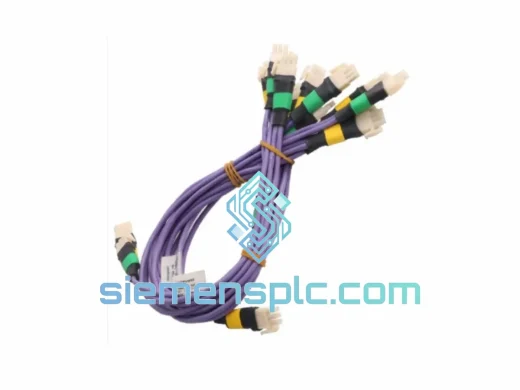
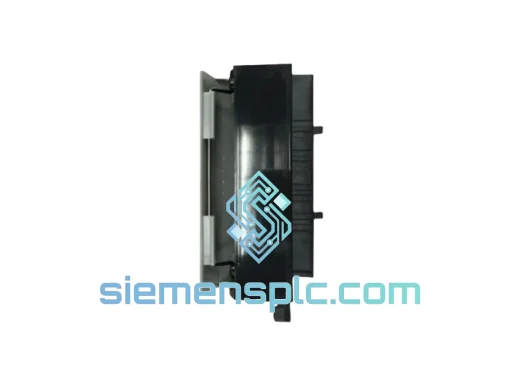
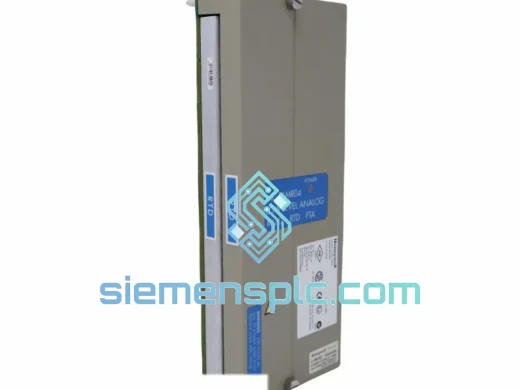
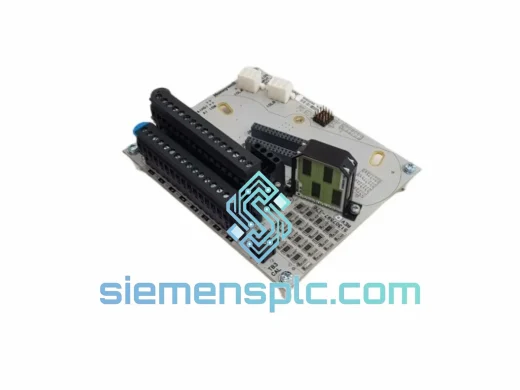
Honeywell DC-TAIX01 Analog Input Module
TDC 3000
Origin US
DCS Analog Input Module
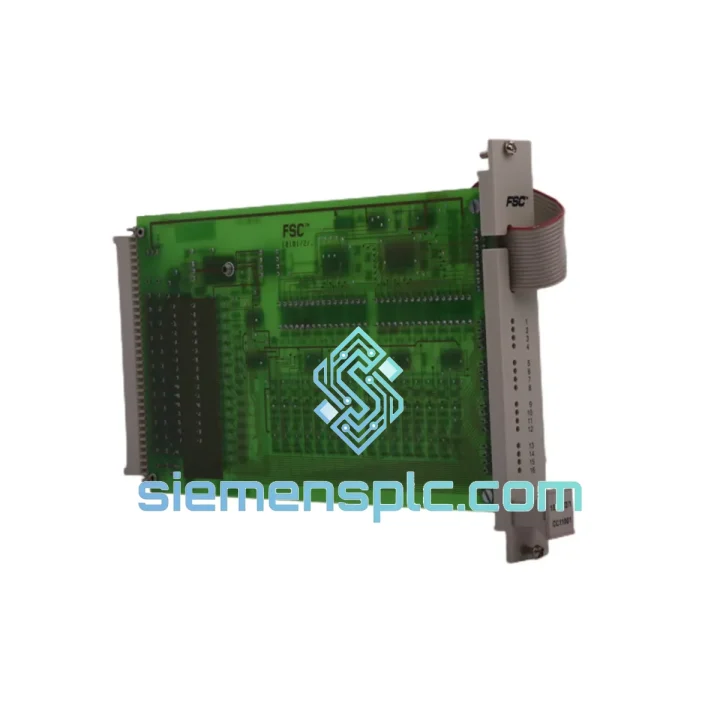
Request verified availability, condition, replacement risk review, packing options and courier lead time for 10101/2/1.
Click Request Quote and the part number is inserted into the inquiry form automatically.
Core fields for model confirmation and RFQ routing. Detailed product narrative remains below.
Your TDC 3000 or TPS system just flagged a failed digital input module. The board is dead. The process is blind. Operators are running manual workarounds, and your maintenance window is already burning. You don’t need a sales pitch — you need the part, verified, boxed, and moving toward your plant today.
The Honeywell 10101/2/1 is a standard-density Digital Input module for the TDC 3000 / TotalPlant Solution I/O Link architecture. It is the acquisition layer between your field devices — valve limit switches, motor run contacts, pressure switches, level floats — and the High-Performance Process Manager (HPPM) or Process Manager (PM) that drives your control logic. When this card fails, your interlock chains go dark. Alarm management degrades. Safety shutdown sequences lose their eyes. Getting the right replacement on-site fast is not optional.
We stock the 10101/2/1. It is inspected, labeled, ESD-bagged, and ready to ship from Xiamen via DHL Express or FedEx International Priority. Typical transit time to Southeast Asia: 24–48 hours. Europe and the Americas: 48–72 hours. We have done this hundreds of times. We know what a plant shutdown costs per hour, and we operate accordingly.
⚡ URGENT REQUIREMENT? Contact: [email protected] | WhatsApp: +86 18359268345
| Parameter | Specification |
|---|---|
| Part Number | 10101/2/1 |
| Brand | Honeywell |
| Series / Platform | TDC 3000 / TotalPlant Solution (TPS) |
| Module Function | Digital Input (DI) – Discrete field signal acquisition |
| Input Voltage | 24 VDC nominal (field-side) |
| Logic ON Threshold | ≥ 11 VDC |
| Logic OFF Threshold | ≤ 5 VDC |
| Isolation | Optical isolation, channel-to-backplane |
| Backplane Interface | TDC 3000 / TPS standard I/O Link |
| Compatible Controllers | PM, HPPM, TPS controller variants |
| Operating Temperature | 0 °C to 60 °C |
| Storage Temperature | −40 °C to 85 °C |
| Relative Humidity | 5% to 95% non-condensing |
| Form Factor | Standard TDC 3000 I/O card, rear-termination via carrier |
| Weight | Approx. 100 g |
| SIL Rating | Not SIL-rated — standard process control use only |
| Certifications | CE, UL/cUL per Honeywell TDC 3000 system certification |
| Country of Origin | Germany |
| Stock Status | ✔ Ready to Ship – Xiamen Warehouse |
Common failure signatures for the 10101/2/1:
1. All channels reading OFF regardless of field state. This is the most common presentation. Before condemning the module, verify 24 VDC field power at the I/O carrier terminal block. A blown carrier fuse or a failed field power supply will mimic a dead DI card. Measure voltage at the carrier field power terminals first — if you have 24 VDC there and channels still read OFF, the module’s optical isolator stage has failed. Pull and replace.
2. Intermittent channel dropouts under vibration. The 10101/2/1 uses a card-edge connector to mate with the I/O carrier backplane. In high-vibration environments (compressor decks, turbine halls), the connector contact surface oxidizes and develops micro-arcing. Symptom: channels flicker between ON and OFF with no corresponding field device change. Fix: reseat the module firmly. If the symptom returns within days, inspect the carrier connector fingers for oxidation and clean with contact cleaner before installing the replacement module.
3. Single channel stuck ON. Typically caused by a shorted optical coupler on that channel, often from a field wiring overvoltage event (lightning strike on a long cable run, or a 120 VAC wire accidentally landed on a 24 VDC DI terminal). The stuck channel will not clear on power cycle. Replace the module. Also inspect the field wiring for the affected channel — if the overvoltage source is not eliminated, the replacement module will fail the same way.
Replacement procedure — key steps:
Firmware note: The 10101/2/1 does not carry field-upgradeable firmware in the conventional sense — its logic is implemented in fixed hardware. No firmware flashing is required on replacement. The HPPM/PM firmware version must be compatible with the TDC 3000 I/O Link protocol revision; this is a system-level concern, not a module-level one. If you are replacing a module in a system that has been upgraded from TDC 3000 to TPS, confirm the I/O carrier and backplane revision are compatible with the replacement module’s hardware revision suffix.
The TDC 3000 platform was engineered for continuous-process industries where the control system runs without interruption for years between planned turnarounds. The 10101/2/1 was designed to that same standard. Its optical isolation architecture provides galvanic separation between field wiring and the backplane bus — this is not a marketing feature, it is the mechanism that prevents a ground fault on a 500-meter cable run from corrupting the entire I/O segment.
In refinery process areas, ambient temperatures routinely reach 50–55 °C in summer. The module’s 0–60 °C operating range is not theoretical — it reflects the thermal qualification testing Honeywell conducted for the TDC 3000 platform’s intended deployment environments. In high-humidity coastal facilities (LNG terminals, water treatment plants), the non-condensing humidity rating to 95% RH reflects the same design intent.
Vibration is the silent killer of card-edge connector systems. The 10101/2/1’s connector interface is designed to the TDC 3000 mechanical specification, which includes vibration qualification per the platform’s environmental test standard. In practice, modules installed in compressor control panels or turbine hall marshalling cabinets have demonstrated multi-year service lives without connector-related failures when the cabinet is properly mounted and the module is fully seated.
EMI immunity is addressed through the optical isolation stage and the shielded backplane architecture of the TDC 3000 I/O subsystem. In high-EMI environments — motor control centers, variable frequency drive rooms, high-voltage switchgear areas — the optical barrier prevents conducted noise from field wiring from reaching the digital logic on the backplane side. This is why the 10101/2/1 remains the preferred DI module for legacy TDC 3000 installations in power generation facilities where EMI levels are severe.
Every module we ship has passed a structured incoming inspection: visual examination for board damage, corrosion, and burn marks; part number and revision verification against Honeywell documentation; functional bench test where test infrastructure permits; and ESD-safe packaging for transit. We do not ship modules that show evidence of field damage or unauthorized repair.
Our warehouse is in Xiamen, Fujian Province — one of China’s primary export hubs with direct access to DHL Express, FedEx International Priority, and UPS Worldwide Express gateways. This is not a coincidence. We chose Xiamen specifically because of its freight infrastructure and customs clearance efficiency for industrial components.
Typical transit times from Xiamen:
Our logistics process:
For genuine plant emergencies — active process shutdown, safety system degraded — contact us directly via WhatsApp. We will prioritize your order and coordinate with the freight carrier for the earliest possible pickup slot.
Email: [email protected]
WhatsApp: +86 18359268345
Web: siemensplc.com
© 2026 siemensplc.com. All rights reserved.
We check the full part number, brand, series and visible nameplate information before quotation.
Sales confirms stock path, condition option, quantity and realistic lead time for export dispatch.
DHL, FedEx, UPS or buyer courier arrangements can be reviewed with packing requirements.
Similar brand or category products for fast comparison and multi-item RFQ lists.