Bently Nevada
RFQ Ready
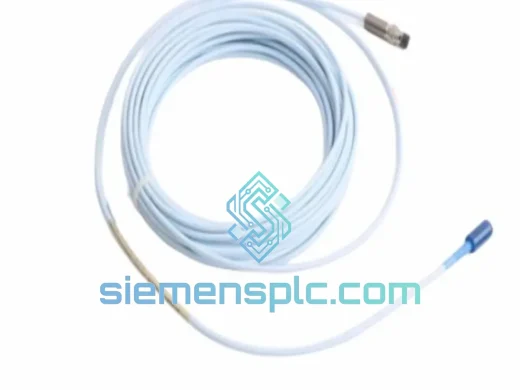
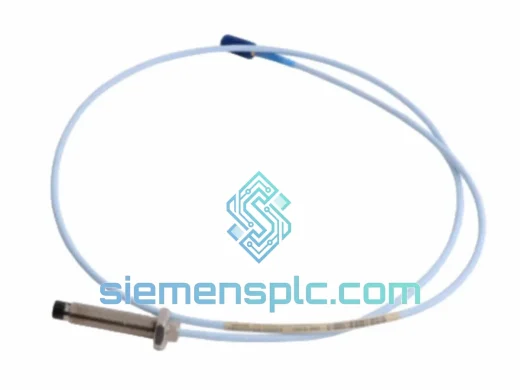
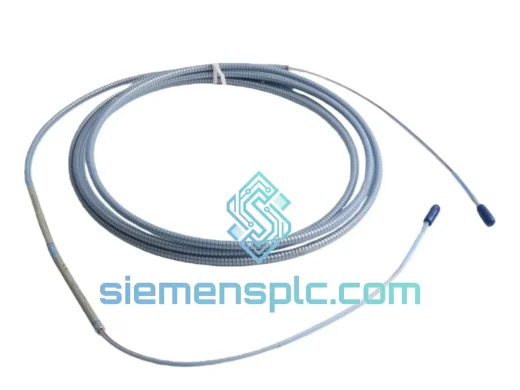
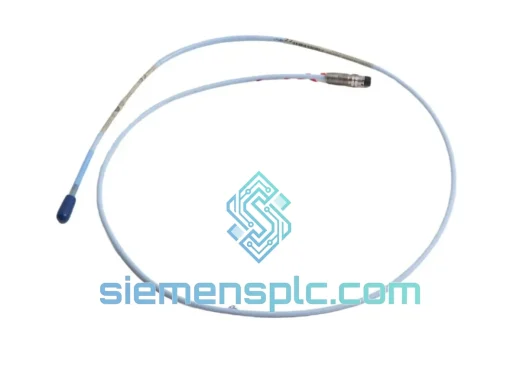
Bently Nevada 330196-05-30-10-00 Proximity Probe – 3300 XL ETR
3301
Origin US
Proximity Probe
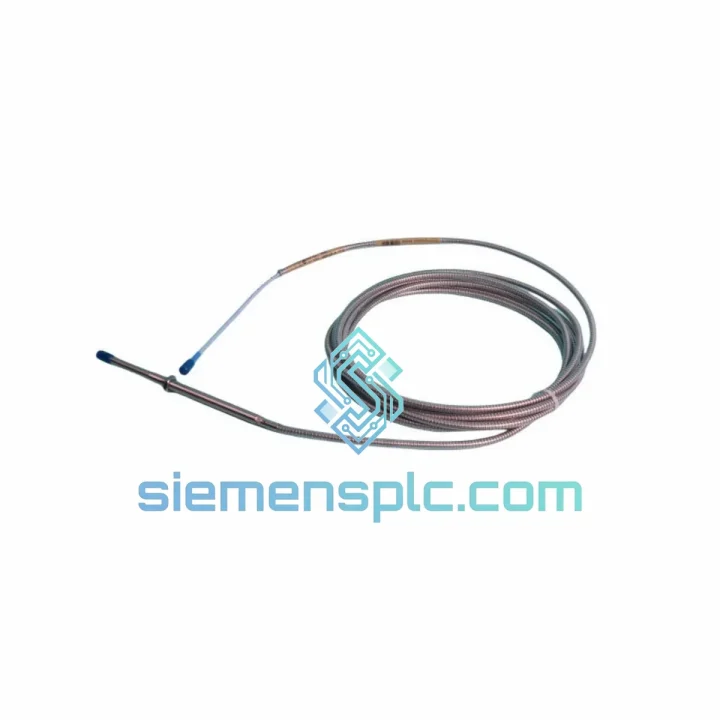
Request verified availability, condition, replacement risk review, packing options and courier lead time for 330104-05-13-50-02-00.
Click Request Quote and the part number is inserted into the inquiry form automatically.
Core fields for model confirmation and RFQ routing. Detailed product narrative remains below.
Your turbine is down. The control room is on the phone. Maintenance is standing by. The one thing between you and restart is a replacement 8mm eddy current proximity probe — and you need it now, not in six weeks from the OEM queue. The Bently Nevada 330104-05-13-50-02-00 is on our shelf in Xiamen. We process same-day. DHL Express is at our door every afternoon. That’s the only pitch you need.
URGENT REQUIREMENT? Contact: [email protected] | WhatsApp: +86 18359268345
| Part Number | 330104-05-13-50-02-00 ✔ Ready to Ship |
| Brand / Platform | Bently Nevada 3300 XL Series |
| Probe Tip Diameter | 8 mm (0.315 in) |
| Probe Cable Length | 5 m (16.4 ft) integral armored cable |
| Extension Cable Length | 13 m (42.7 ft) |
| Nominal Gap | 50 mil (1.27 mm) |
| Sensitivity | 200 mV/mil (7.87 V/mm) nominal |
| Linear Range | 10–90 mil (0.25–2.29 mm) |
| Frequency Response | DC to 10,000 Hz (–3 dB) |
| Operating Temperature | –35 °C to +177 °C probe body |
| Supply Voltage | –24 VDC nominal, 3300 XL driver/monitor |
| Output Signal | –2 VDC to –18 VDC (gap-dependent) |
| Connector | 02 = Standard BNC / MIL-spec |
| Target Material | AISI 4140 steel standard |
| Ingress Protection | IP67 probe body |
| Compliance | API 670 4th/5th Ed., CE, RoHS |
| Country of Origin | USA |
| Stock Status | ✔ In Stock — Ships Same Day |
Swapping a 3300 XL proximity probe looks straightforward on paper. In the field, it’s where most replacement jobs go sideways. Here’s what actually matters:
1. Verify the total cable system length before you pull anything. The -05-13 in this part number means 5 m probe cable + 13 m extension = 18 m total. Your Proximitor driver (e.g. 330180-X1-05) is factory-calibrated for that exact total length. If you swap in a probe with a different cable suffix — say -05-08 — and reuse the old extension, your sensitivity will drift. The monitor will read false vibration levels. You’ll chase a ghost fault for hours. Match the suffix, match the total length, full stop.
2. Gap setting is not optional. After installation, set the probe-to-shaft gap to the nominal 50 mil (1.27 mm) using a non-ferrous feeler gauge or a calibrated gap meter. The Proximitor output at correct gap should read approximately –10.4 VDC ± 0.5 V. If you’re outside that window, adjust the probe depth in the bracket before locking the jam nut. Skipping this step and relying on the monitor’s OK relay to confirm gap is a common shortcut that causes nuisance trips at startup.
3. Common fault codes and what they actually mean:
4. Proximitor driver compatibility check. The 330104-05-13-50-02-00 is an 8mm probe and must be paired with an 8mm Proximitor driver (3300 XL 8mm series, e.g. 330180). Do not attempt to use it with a 5mm driver (330105 series) — the oscillator frequency is different and the calibration curve will not match. The monitor will accept the signal but the engineering unit conversion will be wrong by a factor that won’t be obvious until you compare to a reference measurement.
5. Non-standard target materials. If your shaft is Inconel, titanium, or any non-ferrous alloy, the standard 200 mV/mil calibration does not apply. You need a special calibration factor from Bently Nevada or a field calibration against a known gap. This is not a warning to ignore — on a gas turbine with an Inconel shaft, using the standard calibration can result in a 15–20% sensitivity error, which means your vibration alarm setpoints are wrong.
The 3300 XL probe body is built for environments that destroy lesser sensors. The stainless steel armored cable handles the mechanical abuse of turbine enclosures — vibration, thermal cycling, oil mist, and the occasional maintenance boot. The IP67-rated probe body shrugs off wash-down and condensation. We’ve seen these probes pulled from steam turbine pedestals after 15 years of continuous service, cleaned, re-gapped, and put back into service without recalibration.
The thermally compensated design is the detail that matters most in high-temperature applications. A probe that drifts with temperature is worse than no probe — it gives you false confidence in a measurement that’s quietly moving off-spec. The 330104 series maintains its 200 mV/mil sensitivity across the full –35 °C to +177 °C operating range. In a combined-cycle plant where bearing housing temperatures swing 80 °C between cold start and full load, that stability is the difference between a reliable protection system and one that nuisance-trips during every startup.
Vibration resistance is equally critical. The probe is designed to survive the very environment it’s measuring. Resonance of the probe body or cable at running speed frequencies would corrupt the measurement signal. The armored cable construction and the probe body geometry are engineered to push mechanical resonances well above the measurement bandwidth, keeping the signal clean even on machines with significant broadband vibration.
Our warehouse is in Xiamen, China — one of the country’s primary export hubs with direct DHL and FedEx Express gateway access. Here’s the actual process from your order to your receiving dock:
For critical plant shutdowns where every hour counts, contact us directly on WhatsApp before placing the order. We can confirm stock, generate a proforma invoice, and have the shipment moving within the same business day.
Email: [email protected]
WhatsApp: +86 18359268345
Web: siemensplc.com
© 2026 siemensplc.com. All rights reserved.
We check the full part number, brand, series and visible nameplate information before quotation.
Sales confirms stock path, condition option, quantity and realistic lead time for export dispatch.
DHL, FedEx, UPS or buyer courier arrangements can be reviewed with packing requirements.
Similar brand or category products for fast comparison and multi-item RFQ lists.