Bently Nevada
RFQ Ready
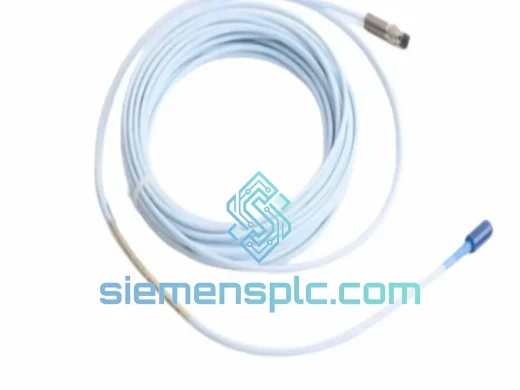
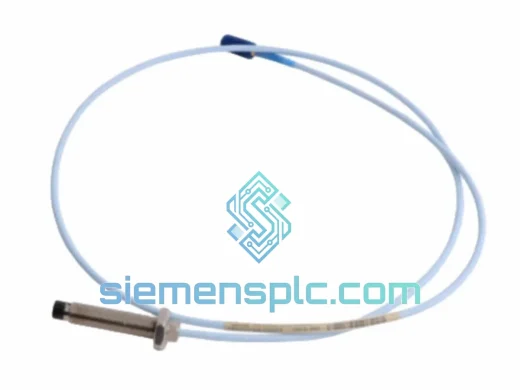
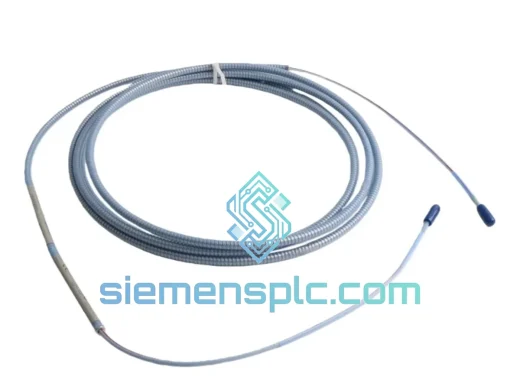
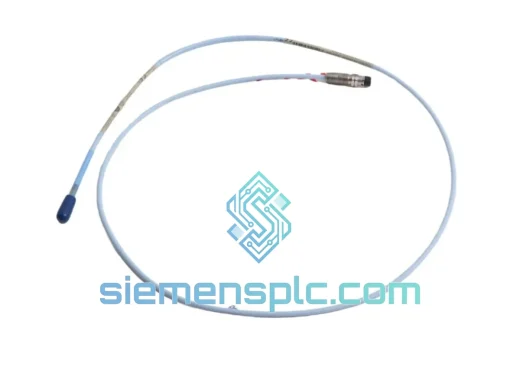
Bently Nevada 330196-05-30-10-00 Proximity Probe – 3300 XL ETR
3301
Origin US
Proximity Probe
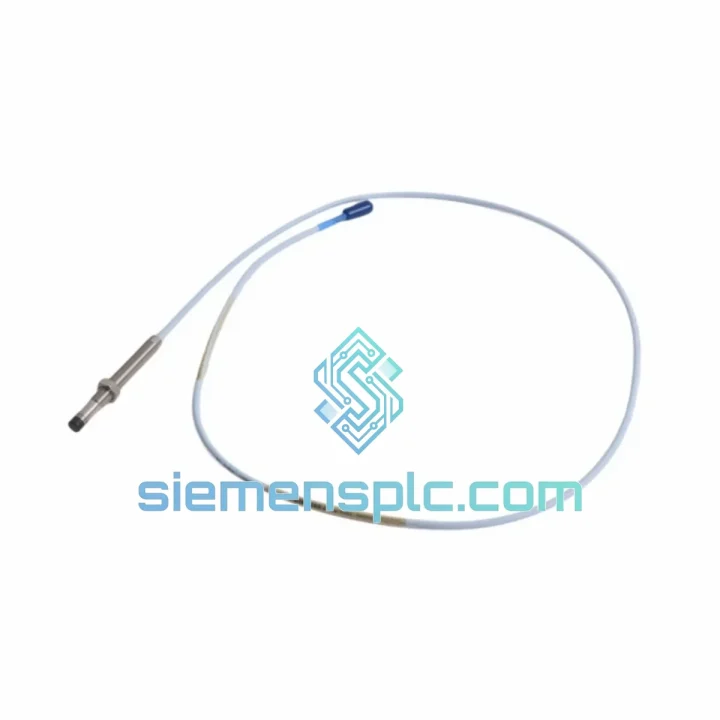
Request verified availability, condition, replacement risk review, packing options and courier lead time for 330105-02-12-15-02-05.
Click Request Quote and the part number is inserted into the inquiry form automatically.
Core fields for model confirmation and RFQ routing. Detailed product narrative remains below.
Every hour a critical rotating machine sits idle costs real money — turbine trips, compressor shutdowns, and unplanned outages don’t wait for procurement cycles. The Bently Nevada 330105-02-12-15-02-05 8 mm eddy-current proximity transducer system from the 3300 XL Series is on the shelf right now in Xiamen, packed and ready to move. We’ve shipped this exact part to refineries in the Middle East, power plants in Southeast Asia, and offshore platforms in the North Sea — all on emergency timelines. If your monitor rack is throwing a Not OK or your DCS is flagging a transducer fault, this page is where the fix starts.
URGENT REQUIREMENT? Contact: [email protected] | WhatsApp: +86 18359268345
| Parameter | Specification |
|---|---|
| Part Number | 330105-02-12-15-02-05 |
| Series | Bently Nevada 3300 XL |
| Probe Tip Diameter | 8 mm |
| Measurement Type | Eddy-current, non-contact |
| Measurement Function | Radial vibration, axial position, differential expansion |
| Cable / Extension Length | 5 m (per SKU suffix -02-05) |
| Supply Voltage | −24 VDC nominal |
| Output Range | −2 VDC to −18 VDC |
| Scale Factor | 7.87 V/mm (200 mV/mil) |
| Linear Range | 0.25 mm – 2.54 mm (10–100 mil) |
| Frequency Response | DC to 10,000 Hz (−3 dB) |
| Probe Operating Temp | −35 °C to +177 °C |
| Driver Operating Temp | −35 °C to +85 °C |
| Target Material (std) | AISI 4140 steel |
| Connector Style | MIL-C-5015 |
| Compliance | API 670 (5th Ed.), IEC 60079, RoHS |
| Stock Status | ✅ Ready to Ship — Xiamen Warehouse |
Seen this failure pattern before: the 3500 monitor rack shows a Not OK (NOK) on a vibration channel, the DCS alarm fires, and the operations team is standing by waiting for a verdict. Nine times out of ten with the 330105 series, the fault traces back to one of three root causes:
1. Driver Gap Voltage Out of Range
The Proximitor driver output should sit between −10 VDC and −11 VDC at the nominal 50-mil (1.27 mm) gap. If you’re reading outside −9 V to −12 V, the probe tip is either damaged, the gap has drifted, or the driver itself has failed. Before condemning the probe, check the gap with a feeler gauge. If the gap is correct and the voltage is still off, the driver is the likely culprit — but the 330105-02-12-15-02-05 ships as a matched probe-cable-driver set, so you replace the system, not just one component.
2. Extension Cable Continuity Failure
The coaxial extension cable is the most mechanically stressed component in the system. Vibration, thermal cycling, and cable routing through conduit bends cause shield breaks and center-conductor fractures that don’t show up visually. Use an LCR meter to check center-conductor resistance (should be <5 Ω for 5 m) and shield continuity. A high-resistance reading on the center conductor with a good-looking cable is a classic sign of an internal fracture near the probe connector.
3. Target Surface Condition
Shaft surface finish and material matter. The 330105 is calibrated for AISI 4140 steel at 125 µin Ra finish. If the shaft has been repaired with weld overlay, chrome plating, or a different alloy sleeve, the scale factor shifts — sometimes by 10–15%. This shows up as a persistent vibration offset that doesn’t correlate with actual machine behavior. If you’ve replaced the transducer and the readings still look wrong, pull the shaft material certification and compare against the calibration target spec.
Replacement Procedure (Field-Expedient):
Common Fault Codes on 3500 Series Monitors:
The 3300 XL platform was designed from the ground up for the environments where rotating machinery actually lives — not a climate-controlled lab. The 330105-02-12-15-02-05 probe body is constructed from 316 stainless steel with a PEEK tip, giving it chemical resistance against H₂S, hydrocarbon condensate, and aggressive cleaning agents common in refinery and petrochemical service. The armored coaxial cable withstands continuous flexing and resists crush loads from cable trays and conduit fittings.
Thermal performance is a genuine differentiator. The probe operates continuously at +177 °C — hot enough for steam turbine bearing housings and exhaust-end compressor applications where cheaper transducers fail within months. On the cold end, −35 °C operation covers LNG plant service and cold-climate outdoor installations without heater boxes or special provisions.
Vibration immunity is built into the mechanical design. The probe tip and cable assembly are rated to withstand 20 g continuous vibration across 10–2,000 Hz — which means the transducer itself won’t generate false signals in high-vibration environments, a critical requirement for API 670 compliance. Humidity and ingress protection meet IP67 requirements at the probe body, making it suitable for wash-down environments and outdoor installations without additional enclosures.
Every unit we ship has been stored in controlled conditions — temperature-regulated, humidity-monitored, and ESD-protected. We don’t pull parts from open shelving or uncontrolled warehouses. The matched set (probe + extension + driver) is kept together from receipt through shipment to preserve the factory calibration relationship.
Our Xiamen warehouse operates on a same-day dispatch model for in-stock items ordered before 15:00 CST. Here’s exactly how the shipment moves:
We’ve shipped to refineries in Saudi Arabia, power plants in Vietnam, paper mills in Finland, and offshore platforms in the Gulf of Mexico. The logistics process is the same every time: fast, documented, and traceable. When your machine is down, you don’t need surprises in the supply chain.
📧 Email: [email protected]
💬 WhatsApp: +86 18359268345
🌐 Web: siemensplc.com
© 2026 siemensplc.com. All rights reserved.
We check the full part number, brand, series and visible nameplate information before quotation.
Sales confirms stock path, condition option, quantity and realistic lead time for export dispatch.
DHL, FedEx, UPS or buyer courier arrangements can be reviewed with packing requirements.
Similar brand or category products for fast comparison and multi-item RFQ lists.