Bently Nevada
RFQ Ready
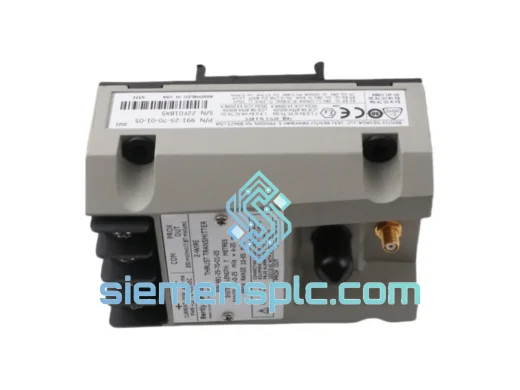
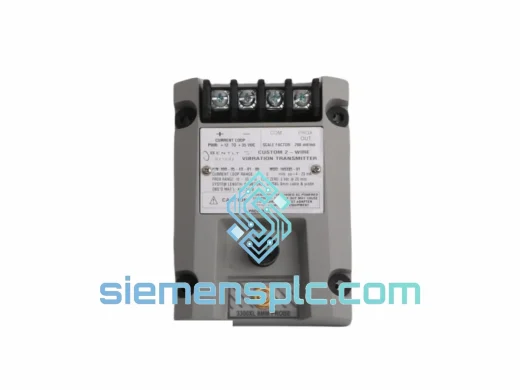
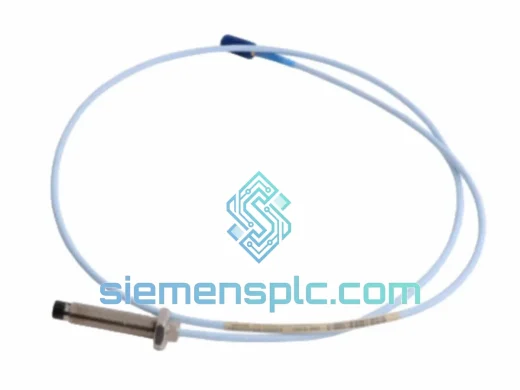
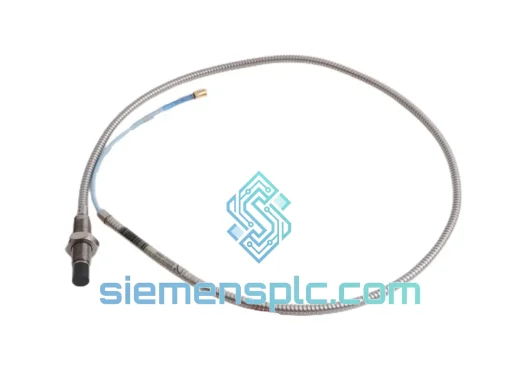
Bently Nevada RS901104-03-050-10-01 Proximitor Sensor – 3300 XL Series
3300 XL
Origin US
Proximitor Sensor
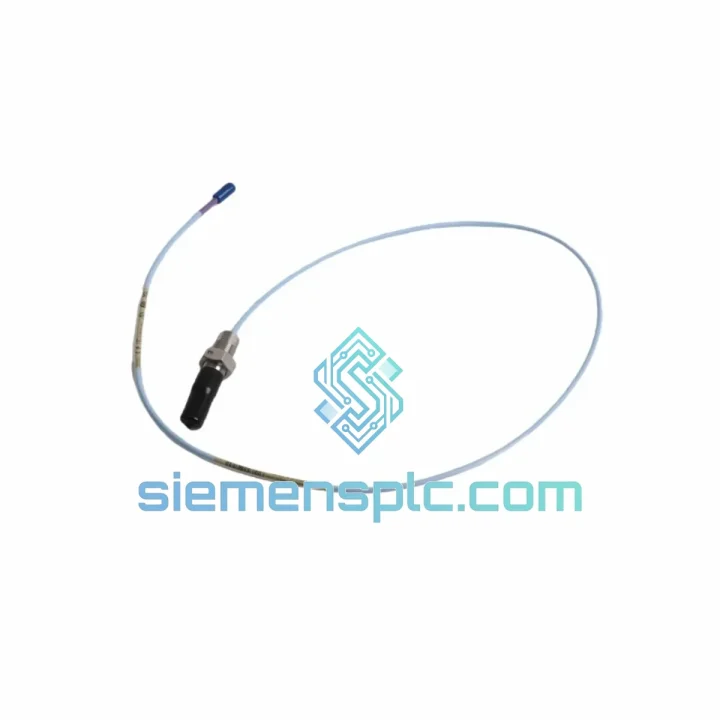
Request verified availability, condition, replacement risk review, packing options and courier lead time for 330707-00-20-10-12-00.
Click Request Quote and the part number is inserted into the inquiry form automatically.
Core fields for model confirmation and RFQ routing. Detailed product narrative remains below.
Every hour a turbine or compressor sits idle costs real money — in lost throughput, in penalty clauses, in maintenance crew overtime. The Bently Nevada 330707-00-20-10-12-00 is an 11 mm eddy-current proximity transducer system built for the 3300 XL platform, and we keep verified stock ready to move. No lead-time negotiation, no factory backorder queue. You call, we ship — DHL or FedEx express, door to door, anywhere on the planet.
This is a factory-matched three-component system: probe, extension cable (1.0 m / 12 ft, encoded as “-12” in the part number), and driver-compatible output. It drops straight into an existing 3300 XL monitor rack without rewiring. If your vibration channel just went dark and the plant manager is standing behind you, this is the part you need.
URGENT REQUIREMENT? Contact: [email protected] | WhatsApp: +86 18359268345
| Part Number / SKU | 330707-00-20-10-12-00 ✅ Ready to Ship |
| Brand | Bently Nevada (Baker Hughes) |
| Series / Platform | 3300 XL |
| Transducer Type | Eddy-Current Proximity (Non-contact) |
| Probe Tip Diameter | 11 mm |
| Linear Measurement Range | 0.25 mm – 2.26 mm (10 – 90 mil) |
| Scale Factor (Sensitivity) | 7.87 V/mm (200 mV/mil) |
| Frequency Response | DC – 10,000 Hz (–3 dB) |
| Supply Voltage | –24 VDC nominal |
| Output Signal | –2 VDC to –18 VDC (linear range) |
| Integral Cable Length | 0.5 m (20 in), armored |
| Extension Cable Length | 1.0 m (12 ft) — suffix “-12” |
| Operating Temperature | –35°C to +121°C |
| Target Material (Standard) | AISI 4140 Steel |
| Ingress Protection | IP67 (probe body) |
| Certifications | CE, ATEX, FM (IS configurations available) |
| Compliance | API 670 |
| Country of Origin | United States |
| Dispatch Location | Xiamen, China ✅ Ready to Ship |
Before you pull the probe, confirm the fault is actually in the transducer and not upstream. Here is the field sequence that saves time:
Step 1 — Isolate the fault zone. Check the 3300 XL monitor channel for a “Not OK” (NOK) LED. A steady NOK with no vibration alarm usually points to a gap voltage out of range — either the probe has drifted, the extension cable has an open circuit, or the driver has failed. Measure the DC output at the driver terminal: nominal gap voltage for a healthy 11 mm probe at mid-range is approximately –10 VDC. Readings below –2 V or above –18 V indicate a wiring or probe fault, not a process event.
Step 2 — Check the extension cable first. The cable is the most common failure point in high-vibration environments. Flex the cable near the conduit entry while watching the output voltage. Any intermittent spike confirms a broken inner conductor. Replace the cable before condemning the probe.
Step 3 — Verify gap on installation. When fitting the replacement 330707-00-20-10-12-00, set the probe-to-shaft gap to the midpoint of the linear range: approximately 1.27 mm (50 mil), which should read –10 VDC ±0.5 V. Use a non-magnetic feeler gauge. Do not rely on thread count alone — shaft runout and housing tolerances vary.
Step 4 — Match the system set. This part number is factory-calibrated as a matched probe + extension cable + driver set. Mixing components from different calibration sets introduces scale factor error. If you are replacing only the probe, confirm the replacement carries the same calibration suffix as the original. When in doubt, replace the full system — the 330707-00-20-10-12-00 ships as a complete matched assembly.
Common fault codes on 3300 XL monitors:
The 330707-00-20-10-12-00 is not a lab instrument — it is built to survive where most electronics fail. The probe body carries an IP67 rating, meaning it withstands direct water jets and temporary immersion, which matters in steam turbine environments where condensate and wash-down are routine. The armored integral cable resists crush loads and abrasion in tight conduit runs where standard cables degrade within months.
Thermal performance spans –35°C to +121°C continuous, covering everything from outdoor compressor stations in northern climates to hot-section installations adjacent to turbine casings. The eddy-current sensing principle is inherently immune to dust, oil mist, and humidity — there are no optical paths to foul, no contact surfaces to wear. In petrochemical plants where H₂S and hydrocarbon vapors are present, the non-contact design eliminates the ignition risk associated with contact-type sensors.
Vibration immunity is built into the mechanical design: the probe tip is a solid machined body with no moving parts, and the armored cable assembly is rated for continuous exposure to the vibration spectra typical of rotating machinery foundations. Units installed on gas turbines in offshore platforms — arguably the harshest combined environment of salt spray, vibration, and thermal cycling — have demonstrated multi-year service intervals without recalibration.
Stock is held at our Xiamen warehouse, positioned for fast export to Asia-Pacific, the Middle East, Europe, and the Americas. When you confirm an order, the process moves immediately:
Email: [email protected]
WhatsApp: +86 18359268345
Web: siemensplc.com
© 2026 siemensplc.com. All rights reserved.
We check the full part number, brand, series and visible nameplate information before quotation.
Sales confirms stock path, condition option, quantity and realistic lead time for export dispatch.
DHL, FedEx, UPS or buyer courier arrangements can be reviewed with packing requirements.
Similar brand or category products for fast comparison and multi-item RFQ lists.