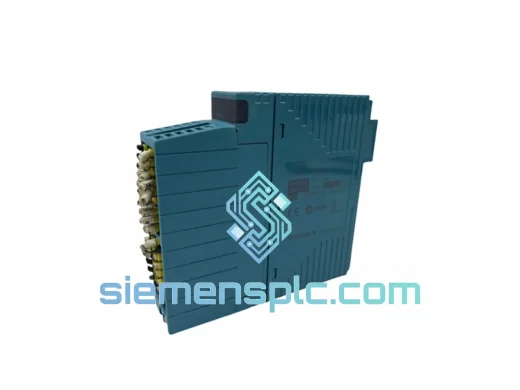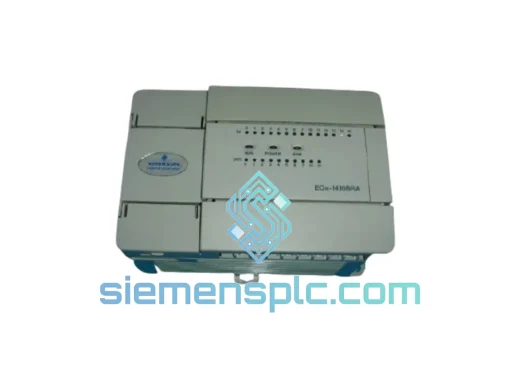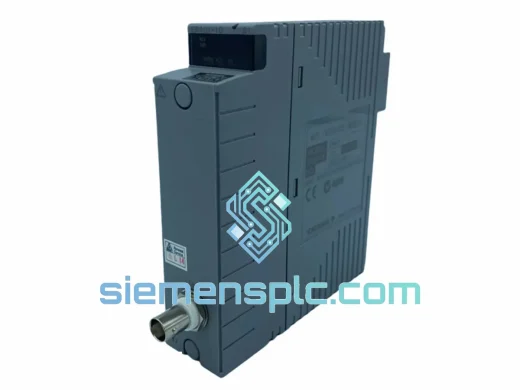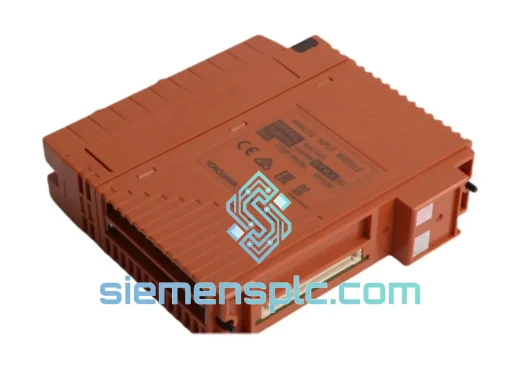
Yokogawa
RFQ Ready
Yokogawa SAI143-H63/PRP S3 DCS Analog Input Module
CENTUM VP
Origin JP
DCS Analog Input Module
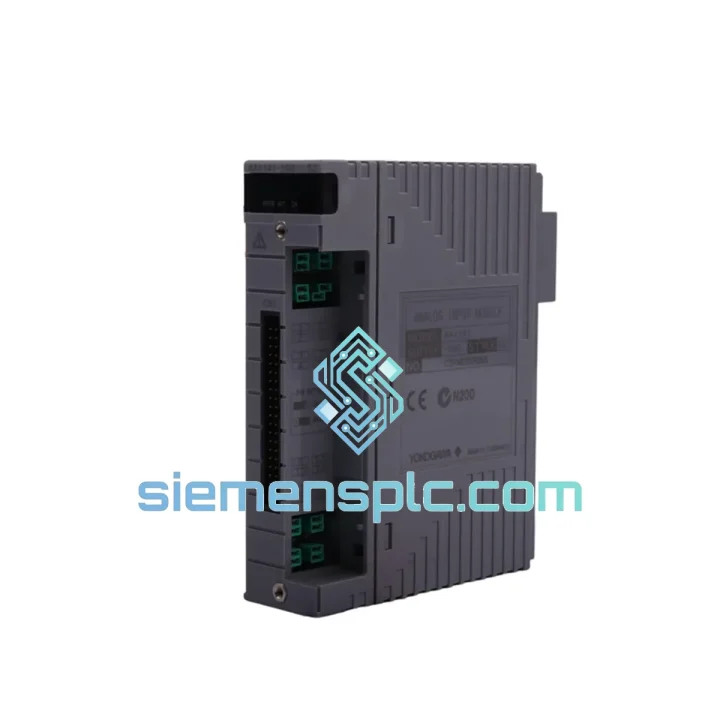
Request verified availability, condition, replacement risk review, packing options and courier lead time for AAI141-S00.
Click Request Quote and the part number is inserted into the inquiry form automatically.
Core fields for model confirmation and RFQ routing. Detailed product narrative remains below.
Every minute your CENTUM VP or CS 3000 system sits idle with a failed analog input module, you’re burning money. A single unplanned shutdown in a petrochemical or power plant can cost tens of thousands of dollars per hour. The AAI141-S00 is a 16-channel, 4–20 mA / 1–5 V DC analog input module — the backbone of your field signal acquisition. When it fails, there is no workaround. You need an exact replacement, fast, with zero configuration surprises. We stock it. We ship it today.
URGENT REQUIREMENT? Contact: [email protected] | WhatsApp: +86 18359268345
| Parameter | Specification |
|---|---|
| Part Number | AAI141-S00 |
| Manufacturer | YOKOGAWA Electric Corporation |
| Module Type | Analog Input (AI) |
| Channels | 16 (single-ended) |
| Input Signal | 4–20 mA DC / 1–5 V DC (per-channel configurable) |
| Resolution | 16-bit ADC |
| Isolation | Channel-to-channel & channel-to-bus galvanic isolation |
| Communication Bus | V-net / RIO Bus (CENTUM VP / CS 3000) |
| Operating Temperature | 0°C to 55°C |
| Humidity | 5% to 95% RH (non-condensing) |
| Certifications | CE, UL |
| Form Factor | Standard CENTUM I/O module |
| Weight | ~300 g |
| Origin | Japan |
| Availability | ✅ Ready to Ship — Xiamen Warehouse |
Swapping an AAI141-S00 in a live CENTUM VP system is not a plug-and-pull job if you skip the checklist. Here’s what 10 years of field calls have taught us:
Step 1 — Confirm the fault before you pull the card. Check the FCS (Field Control Station) alarm log for IOM fault codes. Common codes pointing to AAI141-S00 failure: IOM-E01 (module communication timeout), IOM-E03 (ADC conversion error on one or more channels), IOM-E07 (power rail undervoltage on the I/O node). Don’t replace the module if the fault is upstream — check the RIO bus cable and node power supply first.
Step 2 — Module self-addressing (auto-address). The AAI141-S00 uses slot-based auto-addressing on the RIO bus. There are no physical DIP switches on this module for address setting — the slot position in the I/O node determines the logical address. Seat the replacement module in the exact same slot as the failed unit. If you move it to a different slot, the FCS will see it as a new, unconfigured module and generate an IOM mismatch alarm.
Step 3 — Firmware compatibility check. Before insertion, verify the replacement module’s firmware revision against your FCS software revision. CENTUM VP R5.xx and above generally accept all AAI141-S00 firmware generations. For CS 3000 R3.xx systems, confirm the module generation (Gen 1 vs Gen 2 hardware) matches your existing I/O node population. Mixing generations in the same node is not recommended.
Step 4 — Hot-swap procedure. The AAI141-S00 supports online replacement (hot-swap) when the I/O node is configured for redundant power. Inhibit the affected channels in the FCS before extraction to prevent spurious process alarms. Extract the failed module, insert the replacement, wait for the green RDY LED, then release channel inhibit. Total swap time under 90 seconds if you’ve done it before.
Step 5 — Post-swap verification. Run a channel-by-channel loop check using a 4–20 mA calibrator. Verify engineering unit scaling in the FCS tag database matches field transmitter output. Check for any latched alarms that need manual reset in the HIS (Human Interface Station).
Common failure modes: Capacitor degradation on the ADC reference circuit (causes drift on multiple channels simultaneously), RIO bus connector pin corrosion (causes intermittent IOM-E01 faults), and internal DC/DC converter failure (causes IOM-E07 and complete module blackout).
Process plants don’t give modules an easy life. The AAI141-S00 is engineered to operate continuously in environments that would kill consumer-grade electronics within weeks. The module’s internal PCB is conformally coated to resist moisture ingress and corrosive atmospheres — a critical feature in coastal refineries and chemical plants where humidity and airborne H₂S are constant threats. Vibration resistance is validated to IEC 60068-2-6 standards, covering the mechanical stress from rotating machinery, compressors, and pump skids mounted nearby. Operating temperature range of 0°C to 55°C covers the full spectrum from air-conditioned control rooms to poorly ventilated marshalling cabinets in tropical climates. The galvanic isolation architecture — channel-to-channel and channel-to-bus — provides a hard barrier against ground loops and transient surges from field wiring, protecting both the module and the FCS backplane from damage caused by lightning strikes or motor start transients on shared cable trays. YOKOGAWA’s manufacturing process for this module series includes 100% burn-in testing at elevated temperature before shipment, screening out infant mortality failures before the module ever reaches your plant.
Our warehouse is located in Xiamen, China — one of the most logistics-efficient cities in Asia, with direct access to DHL Express, FedEx International Priority, and UPS Worldwide Express hubs. For urgent orders placed before 15:00 CST, same-day dispatch is standard. Here’s how the process works:
Order confirmation → Warehouse pick & pack → Export documentation (commercial invoice, packing list, HS code 8537.10) → Carrier handoff → Tracking number issued — all within 4 hours of payment confirmation for in-stock units.
Typical transit times: Southeast Asia 1–2 business days, Middle East 2–3 business days, Europe 3–5 business days, North America 3–5 business days, South America 5–7 business days. All shipments include full insurance coverage and real-time tracking. For orders requiring formal export documentation, CITES exemption letters, or end-user certificates, our logistics team handles the paperwork — you focus on getting your plant back online. We’ve shipped to refineries in Saudi Arabia, power plants in India, chemical complexes in Germany, and offshore platforms in Southeast Asia. Customs clearance support is available for all major markets.
📧 Email: [email protected]
💬 WhatsApp: +86 18359268345
🌐 Web: siemensplc.com
© 2026 siemensplc.com. All rights reserved.
We check the full part number, brand, series and visible nameplate information before quotation.
Sales confirms stock path, condition option, quantity and realistic lead time for export dispatch.
DHL, FedEx, UPS or buyer courier arrangements can be reviewed with packing requirements.
Similar brand or category products for fast comparison and multi-item RFQ lists.