GE
RFQ Ready
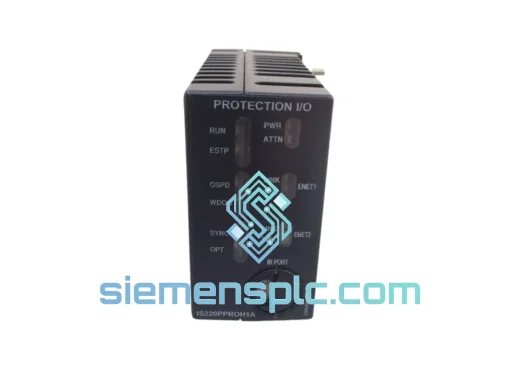
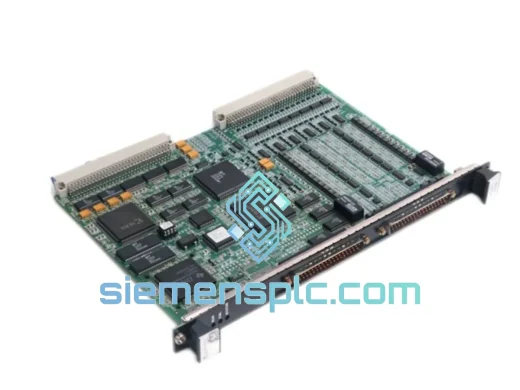
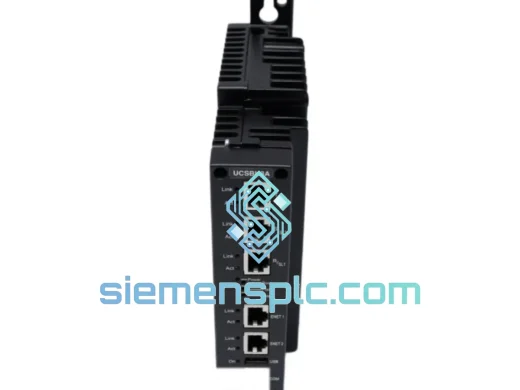
GE IS420UCSBH3A DCS Controller Module – Mark VIe
Mark VI
Origin US
DCS Controller Module
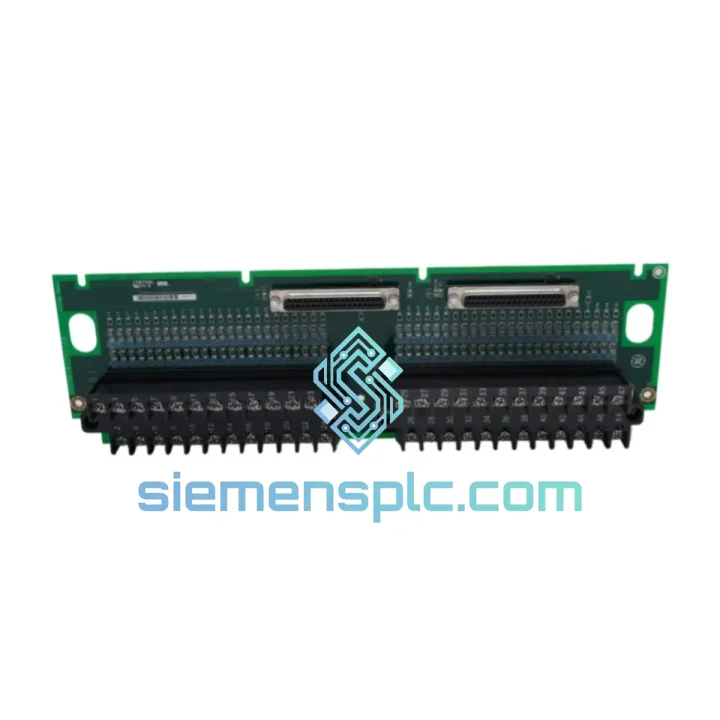
Request verified availability, condition, replacement risk review, packing options and courier lead time for IS200TBTCH1BBB.
Click Request Quote and the part number is inserted into the inquiry form automatically.
Core fields for model confirmation and RFQ routing. Detailed product narrative remains below.
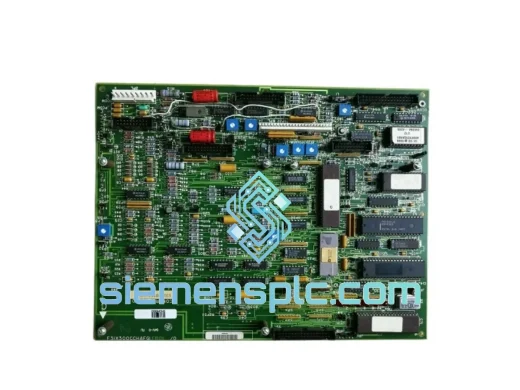
Every hour your Mark VI turbine control system sits offline costs real money — lost generation capacity, contractual penalties, and the kind of pressure that makes a 3 AM phone call feel routine. The GE IS200TBTCH1BBB Thermocouple Terminal Board is the exact front-end interface your system needs to restore temperature monitoring across exhaust gas, bearing, and casing measurement loops. We stock it. We ship it today. From Xiamen to your control room, DHL Express puts this board in your hands in 3–5 business days — not 3–5 weeks.
This is not a refurbished gamble or a grey-market unknown. Every IS200TBTCH1BBB unit we dispatch has been visually inspected, continuity-verified, and cross-referenced against GE OEM documentation before it leaves our warehouse. If your Mark VI panel is down, this is the fastest legitimate path back to operation.
⚡ URGENT REQUIREMENT? Contact: [email protected] | WhatsApp: +86 18359268345
| Part Number | IS200TBTCH1BBB |
| Manufacturer | GE (General Electric) |
| Platform / Series | Mark VI Turbine Control System (Speedtronic) |
| Module Function | Thermocouple Signal Termination & Cold-Junction Compensation |
| Compatible I/O Packs | TCQA / TCQB (Mark VI I/O backbone) |
| Thermocouple Types | J, K, T, E, R, S, B — per IEC 60584 / ANSI MC96.1 |
| CJC Method | Onboard isothermal terminal block with integrated CJC sensor |
| Signal Level | Millivolt-range analog (thermocouple EMF) |
| Operating Temperature | 0°C to +60°C |
| Storage Temperature | −40°C to +85°C |
| Humidity | 5%–95% RH, non-condensing |
| Form Factor | PCB-mounted terminal board, panel-mount compatible |
| Compliance | CE, RoHS-compatible; GE Speedtronic Mark VI standard |
| Origin | United States (OEM) |
| Stock Status | ✅ READY TO SHIP — Xiamen Warehouse |
After ten years of field work on Mark VI panels, these are the failure modes and swap pitfalls I see most often with the IS200TBTCH1BBB:
Common Fault Signatures:
Replacement Procedure — Key Steps:
The IS200TBTCH1BBB was designed for the inside of a turbine control enclosure — which sounds protected until you consider what that actually means: panels mounted 10 meters from a gas turbine exhaust stack, ambient temperatures swinging 40°C between cold start and full load, vibration transmitted through the skid structure at frequencies that loosen every poorly-torqued terminal in the cabinet over time.
GE engineered this board with differential input architecture that rejects common-mode noise from the high-voltage environment surrounding the turbine. The screw-clamp terminal block is rated for repeated wiring cycles — critical in facilities where TC leads are re-terminated during every major inspection. The PCB substrate meets industrial-grade thermal cycling requirements, and conformal coating options provide additional protection against humidity ingress in coastal and offshore installations.
We have supplied IS200TBTCH1BBB boards to gas turbine operators in Southeast Asia, the Middle East, and West Africa — environments where humidity, salt air, and ambient heat would destroy consumer-grade electronics within months. These units keep running because GE built them to the same reliability standard as the turbines they monitor.
Our dispatch warehouse is located in Xiamen, China — a major international freight hub with daily DHL Express and FedEx International Priority departures. Here is exactly what happens after you confirm your order:
📧 Email: [email protected]
💬 WhatsApp: +86 18359268345
🌐 Web: siemensplc.com
© 2026 siemensplc.com. All rights reserved.
We check the full part number, brand, series and visible nameplate information before quotation.
Sales confirms stock path, condition option, quantity and realistic lead time for export dispatch.
DHL, FedEx, UPS or buyer courier arrangements can be reviewed with packing requirements.
Similar brand or category products for fast comparison and multi-item RFQ lists.