Honeywell
RFQ Ready
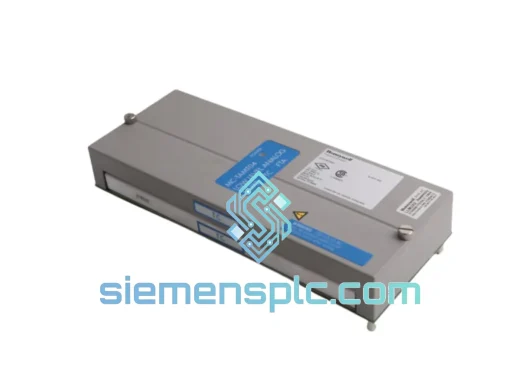
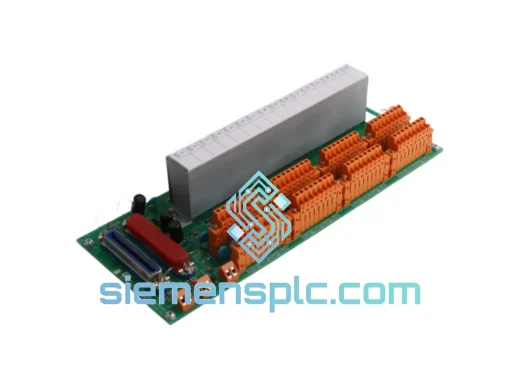
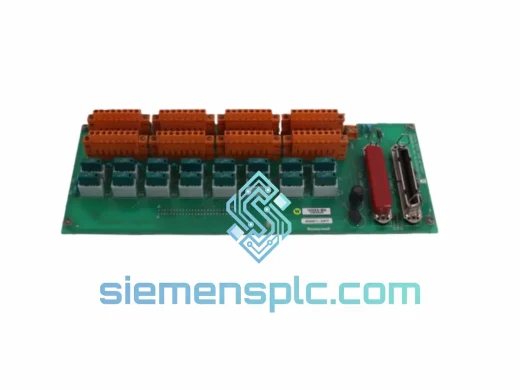
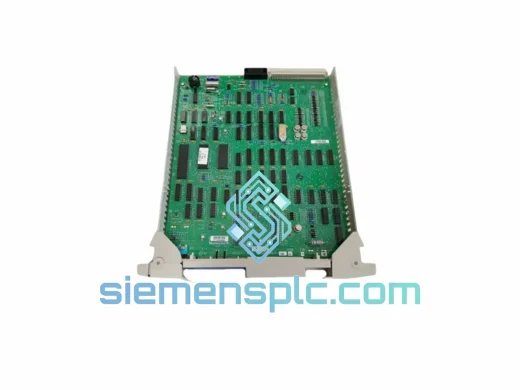
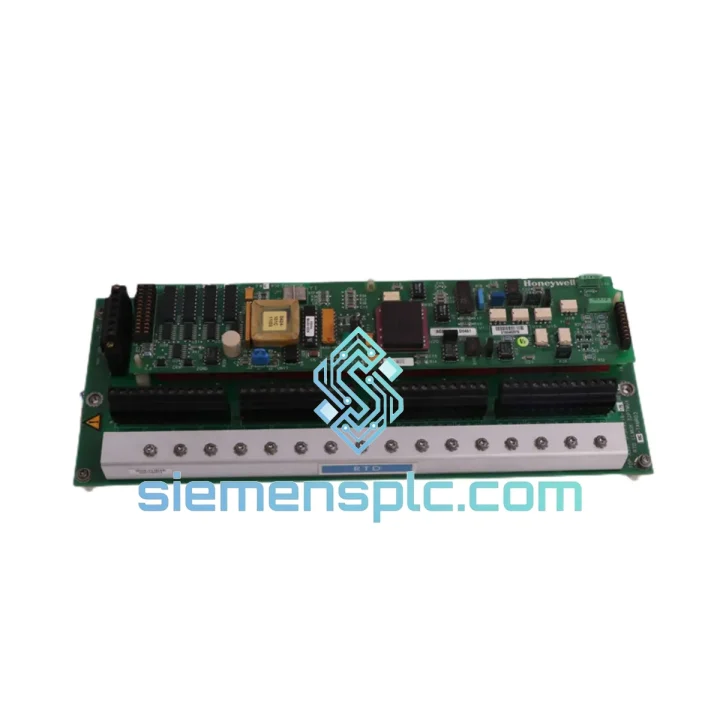
Honeywell MC-PDOX02 51304487-150 Digital Output Processor
MC-
Origin US
DCS Digital Output Module
Request verified availability, condition, replacement risk review, packing options and courier lead time for MC-TAMR03.
Click Request Quote and the part number is inserted into the inquiry form automatically.
Core fields for model confirmation and RFQ routing. Detailed product narrative remains below.
Your TPS or PlantScape system is down. The MC-TAMR03 has failed. The process is offline. You’ve already called your local distributor — they’re quoting you 6 to 12 weeks. That’s not acceptable when a refinery column, a reactor loop, or a boiler train is sitting cold.
We stock the Honeywell MC-TAMR03 (51309218-175) and ship same-day or next business day via DHL Express or FedEx International Priority from Xiamen, China. Most destinations in Southeast Asia, the Middle East, and Europe receive units within 3–5 business days. North America typically within 5–7 business days. No waiting for factory lead times. No minimum order quantity. One unit ships just as fast as ten.
URGENT REQUIREMENT? Contact: [email protected] | WhatsApp: +86 18359268345
| Part Number | MC-TAMR03 |
| OEM Reference | 51309218-175 |
| Manufacturer | Honeywell Process Solutions |
| Module Classification | Low Level Analog Multiplexer (Mux) Module |
| Compatible Platform | Honeywell TPS (TotalPlant Solution) / PlantScape DCS |
| Supported Signal Types | Thermocouple (TC), RTD, millivolt (mV) — low-level analog |
| Cold Junction Compensation | Integrated CJC for thermocouple inputs |
| Backplane Interface | TPS / PlantScape proprietary card bus |
| Power Source | Backplane-supplied (no external PSU required) |
| Operating Temperature | 0 °C to 60 °C |
| Certifications | CE, UL (system-level approval) |
| Unit Weight | 750 g (approx.) |
| Stock Status | ✅ Ready to Ship — Xiamen warehouse |
| Lead Time | Same-day / next business day dispatch |
| Condition | 100% Original Honeywell — tested before shipment |
After ten years of field work on TPS and PlantScape systems, these are the failure patterns and replacement pitfalls that catch engineers off guard:
Common Failure Signatures
Replacement Procedure — Step by Step
The MC-TAMR03 was engineered for continuous operation in process plant environments where “harsh” is the baseline, not the exception. Here’s what it’s built to handle:
Vibration: Installed in HPM chassis that are typically mounted in field-located marshalling cabinets near rotating equipment — compressors, pumps, turbines. The card’s PCB layout and component selection account for sustained low-frequency vibration. The backplane connector uses a high-retention-force design that resists micro-fretting corrosion caused by vibration-induced micro-movement.
Thermal Cycling: Process plants don’t maintain stable cabinet temperatures. Outdoor marshalling cabinets in the Middle East see internal temperatures exceeding 55 °C in summer. The MC-TAMR03’s operating range of 0 °C to 60 °C is not a theoretical limit — it’s a tested, validated range. The CJC circuit maintains accuracy across this full range, which is critical for thermocouple measurement integrity.
Humidity and Condensation: In coastal refineries, offshore platforms, and tropical process plants, humidity is a constant threat to electronics. The MC-TAMR03’s conformal coating on the PCB provides a barrier against moisture ingress and conductive contamination. This is why units that have been properly stored in sealed anti-static packaging maintain their performance characteristics even after years in inventory.
EMI/RFI Immunity: Low-level analog signals in the millivolt range are inherently susceptible to electromagnetic interference from variable frequency drives, high-voltage switchgear, and radio transmitters common in industrial facilities. The MC-TAMR03’s signal conditioning circuitry includes filtering designed to reject common-mode noise while preserving the integrity of the differential input signal.
Every unit we ship has been inspected for physical integrity — PCB condition, connector pin straightness, conformal coating coverage, and label legibility. Units showing signs of thermal stress, corrosion, or mechanical damage are rejected before they reach our shipping bench.
We operate from Xiamen, China — one of the most logistics-efficient cities on the Chinese coast, with direct access to DHL, FedEx, and UPS international hubs. Here’s exactly how your order moves:
If your plant is in a shutdown window and every hour counts, tell us when you contact us. We will prioritize your order and confirm dispatch timing before you commit to the purchase.
Email: [email protected]
WhatsApp: +86 18359268345
Web: siemensplc.com
© 2026 siemensplc.com. All rights reserved.
We check the full part number, brand, series and visible nameplate information before quotation.
Sales confirms stock path, condition option, quantity and realistic lead time for export dispatch.
DHL, FedEx, UPS or buyer courier arrangements can be reviewed with packing requirements.
Similar brand or category products for fast comparison and multi-item RFQ lists.