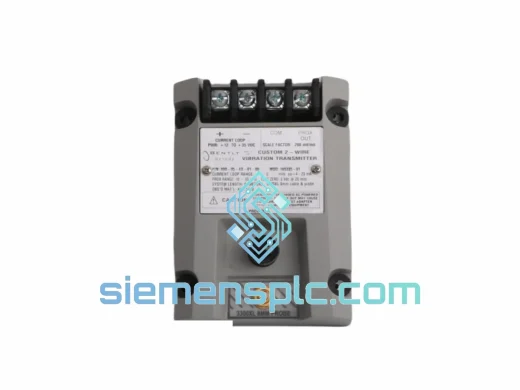
Bently Nevada
RFQ Ready
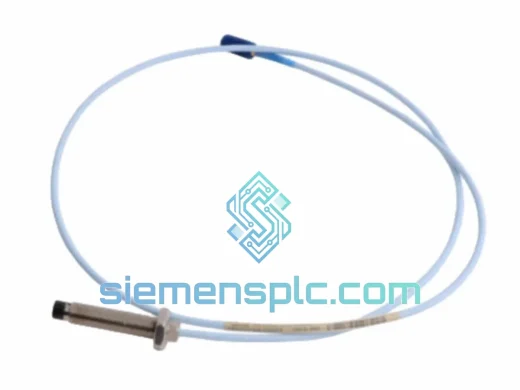
Bently Nevada 991-25-70-01-01 Proximity Probe Extension Cable – 3300 XL Series
3300 XL
Origin US
Proximity Probe Extension Cable
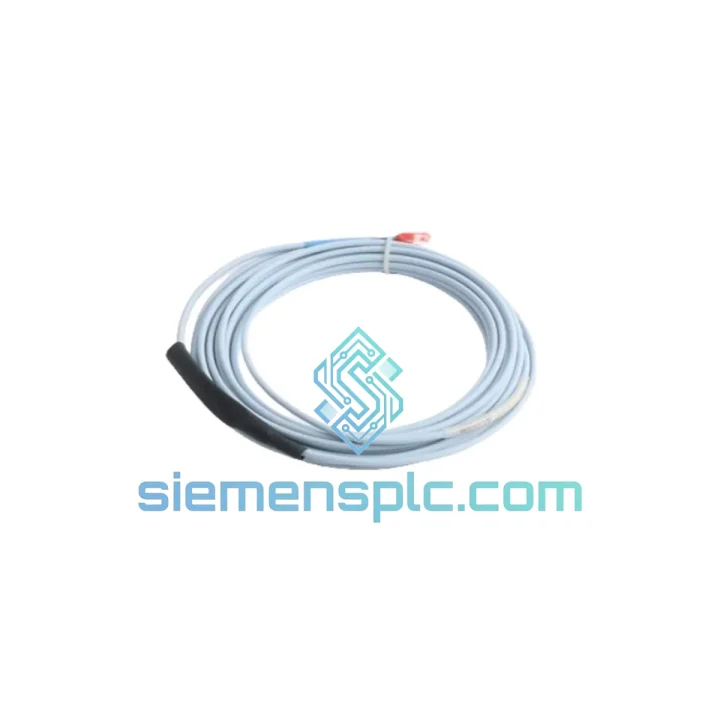
Request verified availability, condition, replacement risk review, packing options and courier lead time for 22011-01-06-10-02.
Click Request Quote and the part number is inserted into the inquiry form automatically.
Core fields for model confirmation and RFQ routing. Detailed product narrative remains below.
Every minute a turbine or compressor sits idle costs real money. When your 3300 XL proximity transducer system throws a cable fault — whether it’s a severed jacket from maintenance contact, a corroded MIL-spec connector, or a system that simply won’t re-zero after a cable swap — you don’t have time to wait three weeks for a factory order. We stock the Bently Nevada 22011-01-06-10-02 6-metre extension cable in Xiamen, China, and we ship the same day you confirm. That’s the only number that matters when your operations team is standing at the control room door.
URGENT REQUIREMENT? Contact: [email protected] | WhatsApp: +86 18359268345
| Parameter | Specification |
|---|---|
| Part Number | 22011-01-06-10-02 |
| Manufacturer | Bently Nevada (Baker Hughes) |
| Series | 3300 XL Proximity Transducer System |
| Type | Extension Cable |
| Nominal Length | 6.0 m (19.7 ft) |
| Connector Style | MIL-C-5015 — mates with 3300 XL probes and Proximitor® sensors |
| Shield Coverage | ≥ 95% braid, low-noise coaxial construction |
| Operating Temperature | −35 °C to +85 °C continuous |
| Jacket Material | Polyurethane — oil, abrasion, and UV resistant |
| Characteristic Impedance | Matched to 3300 XL system (no recalibration required for like-for-like swap) |
| Condition | New / Surplus-New (confirmed at order) |
| Stock Status | ✅ Ready to Ship — Xiamen, China |
| Lead Time | Same-day dispatch on orders confirmed before 15:00 CST |
The 3300 XL extension cable is the most frequently overlooked failure point in a proximity transducer chain. Before you condemn the Proximitor® sensor or the probe itself, work through this sequence:
1. Isolate the cable first. Disconnect the extension cable at both ends. Measure DC resistance tip-to-tip on the centre conductor — anything above 3 Ω on a 6 m cable indicates internal damage. Check shield continuity separately; an open shield will cause erratic gap voltage readings that mimic a failing driver.
2. Connector inspection. The MIL-C-5015 connectors on the 22011-01-06-10-02 are the most common ingress point for moisture in wet or washdown environments. Look for green oxidation on the centre pin or socket. Even a thin film of corrosion raises contact resistance enough to shift the system’s static output voltage by several hundred millivolts — enough to trigger a danger alarm on a 3500 monitor.
3. Total cable length verification before swap. The 3300 XL system is calibrated for a specific total cable length: probe cable + extension cable combined. The 22011-01-06-10-02 is a 6 m extension. Confirm your Proximitor® sensor’s calibration label matches the total system length (probe + this extension). If you are replacing a different-length cable with this 6 m unit, you must recalibrate the Proximitor® sensor gap voltage output per Bently Nevada procedure. Skipping this step will produce a persistent OK-to-Danger gap error even with a perfect cable.
4. No dip-switch or firmware action required. Unlike digital I/O modules, the 3300 XL extension cable is a passive component. There are no address switches, no firmware to match, and no configuration file to load. Swap, reconnect, verify gap voltage at the Proximitor® output terminals (typically −10.0 VDC ± 0.5 V at mid-gap), and you’re done.
5. Common fault codes on the 3500 monitor after a cable fault:
The 22011-01-06-10-02 is built for the environments where proximity transducer systems actually live — not a clean lab. The polyurethane outer jacket resists continuous contact with turbine lube oil, hydraulic fluid, and cleaning solvents without swelling or cracking. The braid shield maintains ≥ 95% coverage even after repeated flexing during maintenance cycles, which is critical in applications where the cable must be routed around rotating machinery guards.
Vibration is the silent killer of cable assemblies. The MIL-C-5015 connector bodies on this cable are machined aluminium with positive-locking coupling rings — they do not back off under the continuous low-frequency vibration present on most turbine pedestals. We have seen generic replacement cables with plastic connector bodies fail within weeks in this environment; the OEM connector specification exists for a reason.
Temperature cycling between cold startup and full operating temperature is handled by the cable’s construction. The centre conductor and shield are dimensionally stable across the −35 °C to +85 °C range, meaning the characteristic impedance — and therefore the system’s calibrated output — does not drift with ambient temperature changes. In outdoor installations in northern climates or desert environments, this matters.
Our warehouse is located in Xiamen, Fujian Province — one of China’s primary export hubs with direct access to international freight lanes. Orders confirmed before 15:00 CST are dispatched the same business day. Here’s what the logistics chain looks like from our shelf to your site:
For critical shutdowns where even 24 hours matters, contact us via WhatsApp before placing your order. We can coordinate with the freight forwarder for first-available-flight booking and provide a confirmed departure time before you commit.
Email: [email protected]
WhatsApp: +86 18359268345
Web: siemensplc.com
© 2026 siemensplc.com. All rights reserved.
We check the full part number, brand, series and visible nameplate information before quotation.
Sales confirms stock path, condition option, quantity and realistic lead time for export dispatch.
DHL, FedEx, UPS or buyer courier arrangements can be reviewed with packing requirements.
Similar brand or category products for fast comparison and multi-item RFQ lists.