ProvibTech
RFQ Ready
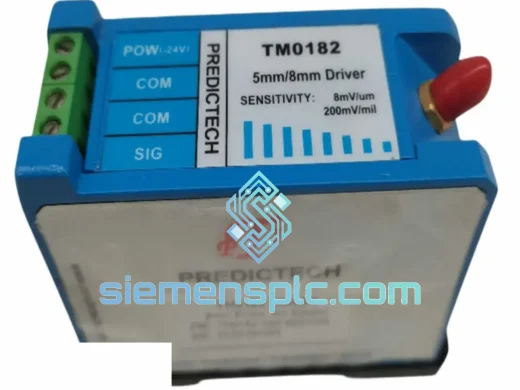
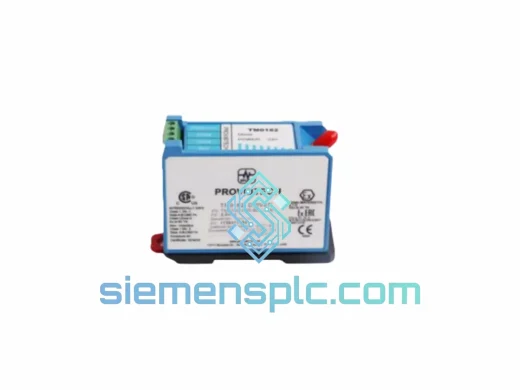
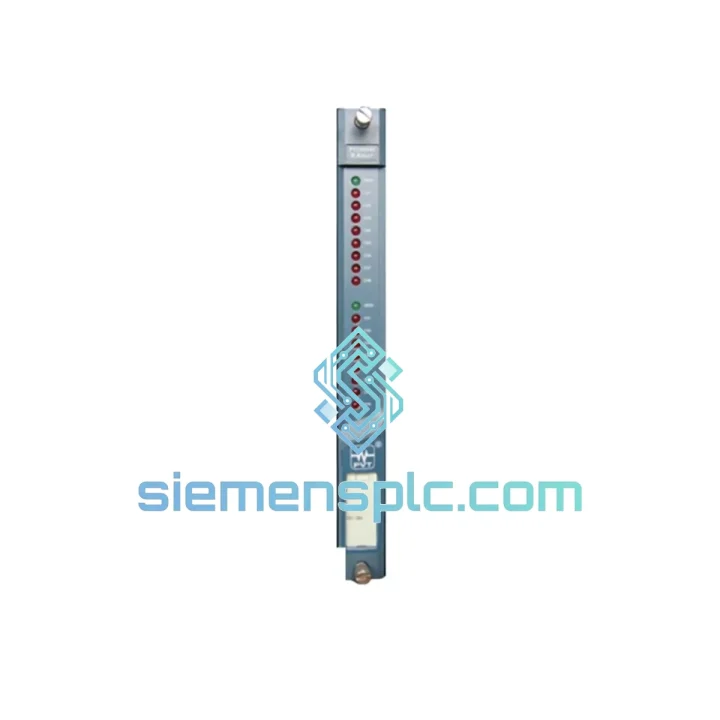
PROVIBTECH TM0182-A50-B00-C00 Proximity Sensor
TM0182 Series
Origin US
Vibration & Proximity Sensor
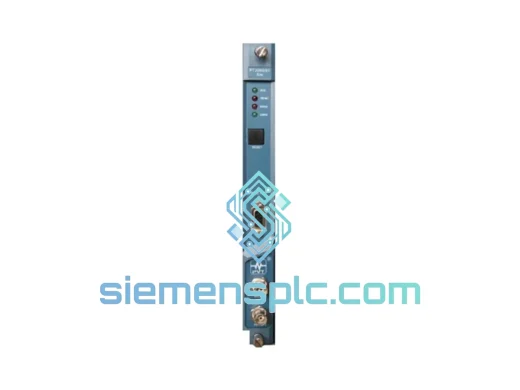
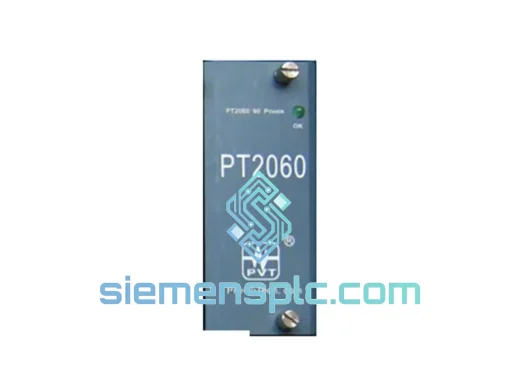
Request verified availability, condition, replacement risk review, packing options and courier lead time for PT2060/43.
Click Request Quote and the part number is inserted into the inquiry form automatically.
Core fields for model confirmation and RFQ routing. Detailed product narrative remains below.
Your compressor train just tripped. The DCS is screaming. Maintenance is on-site and the relay output module is the culprit. Every hour offline is burning through your production budget. The ProvibTech PT2060/43 Redundant Relay Output Module is on our shelf in Xiamen — not on a 6-week lead time from a distributor who doesn’t stock it. We ship DHL Express within 24 hours of payment confirmation. That’s the difference between a 2-day incident and a 3-week nightmare.
URGENT REQUIREMENT? Contact: [email protected] | WhatsApp: +86 18359268345
| Parameter | Specification |
|---|---|
| Part Number | PT2060/43 |
| Module Designation | R-RELAY — Redundant Relay Output |
| Series | ProvibTech PT2060 Vibration Monitoring System |
| Relay Architecture | Dual independent relay outputs (1oo2 / 2oo2 voting logic) |
| Output Contact Type | Dry contact, normally energized (fail-safe de-energize on fault) |
| Mounting Interface | Plug-in card, PT2060 rack backplane |
| Applicable Standard | API 670 (5th Ed.), IEC 61511, IEC 61508 |
| Weight | 1,040 g |
| Origin | China |
| Stock Status | ✅ Ready to Ship — Xiamen Warehouse |
| Lead Time | Ships within 24 hrs of payment |
| Warranty | 12 months |
Ten years of field work tells you that a bad relay module rarely announces itself cleanly. Here’s what you’ll actually encounter on-site and how to handle it fast:
Symptom 1 — Spurious Trip with No Process Exceedance
The vibration reading is normal but the machine tripped anyway. Pull the PT2060/43 and check coil resistance across the relay terminals. A reading outside the OEM spec range (typically 200–500 Ω depending on coil voltage) confirms internal coil degradation. Don’t waste time re-seating — swap the module.
Symptom 2 — Relay Fails to Trip on Confirmed High Vibration
This is the dangerous one. The monitor is alarming, the process value is over setpoint, but the relay contact isn’t switching. First, verify the voting logic configuration on the PT2060 rack — confirm whether the system is set to 1oo2 or 2oo2. If one relay in the redundant pair has failed open, the 2oo2 configuration will suppress the trip. Isolate and replace the PT2060/43 immediately.
Symptom 3 — Intermittent Contact Chatter
Visible on the DCS historian as rapid trip/reset cycling. Root cause is almost always contact wear or contamination on the relay output contacts. In high-humidity or H2S environments this accelerates significantly. Replace the module and inspect the rack backplane connector pins for corrosion — clean with isopropyl alcohol before inserting the new card.
Replacement Procedure (Field-Verified Steps):
Firmware Note: The PT2060/43 is a hardware relay module with no embedded firmware. No firmware flashing is required on replacement. However, confirm that the PT2060 rack’s main processor firmware version is compatible with your relay module revision — check the ProvibTech compatibility matrix if you are running rack firmware older than v3.x.
The PT2060/43 is not a panel-room component. It lives inside machinery protection racks mounted on compressor decks, in turbine halls, and on offshore platforms where the environment is actively hostile. ProvibTech designed this module to survive conditions that destroy lesser hardware.
Vibration is the first enemy. Ironically, a vibration monitoring module must itself be immune to the vibration it measures. The PT2060/43 card assembly uses conformal-coated PCBs and mechanically secured relay bodies to prevent solder joint fatigue under continuous broadband vibration — the kind you get standing next to a 10,000 RPM gas turbine for years at a time.
Temperature cycling is the second. Outdoor installations in the Middle East see ambient swings from 5°C at night to 55°C at midday. The relay coil materials and contact alloys in the PT2060/43 are selected for stable performance across this range without contact resistance drift that would compromise trip reliability.
Humidity and corrosive atmospheres are the third. In offshore and petrochemical environments, salt fog and H2S attack unprotected electronics within months. The conformal coating on the PT2060/43 PCB provides a barrier against moisture ingress and ionic contamination, extending service life in environments where standard industrial cards fail prematurely.
Every unit we ship from Xiamen is stored in climate-controlled conditions, packaged in anti-static foam with a humidity indicator card, and inspected for physical integrity before dispatch. You are not receiving a module that has been sitting in an uncontrolled warehouse for two years.
Our Xiamen warehouse is 40 minutes from Xiamen Gaoqi International Airport (XMN), a major DHL and FedEx hub for South China exports. This is not a coincidence — it is the core of our emergency supply model.
Standard Express Flow:
For projects requiring multiple modules or a complete PT2060 rack rebuild, contact us for consolidated shipment options that reduce per-unit freight cost without sacrificing speed.
📧 Email: [email protected]
💬 WhatsApp: +86 18359268345
🌐 Web: siemensplc.com
© 2026 siemensplc.com. All rights reserved.
We check the full part number, brand, series and visible nameplate information before quotation.
Sales confirms stock path, condition option, quantity and realistic lead time for export dispatch.
DHL, FedEx, UPS or buyer courier arrangements can be reviewed with packing requirements.
Similar brand or category products for fast comparison and multi-item RFQ lists.