Yokogawa
In Stock OK
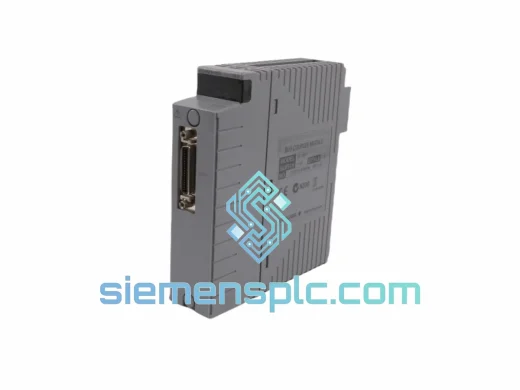
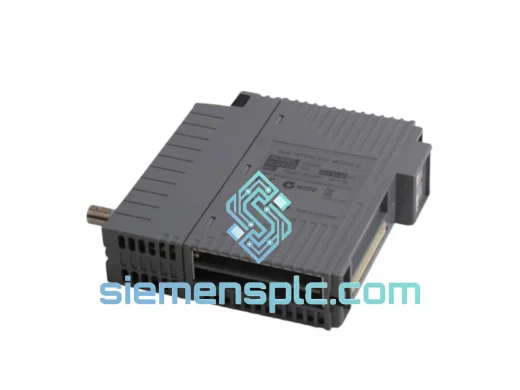
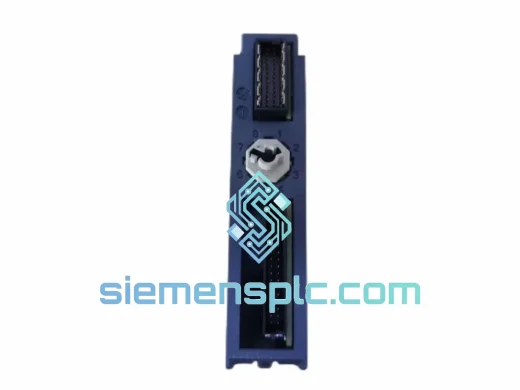
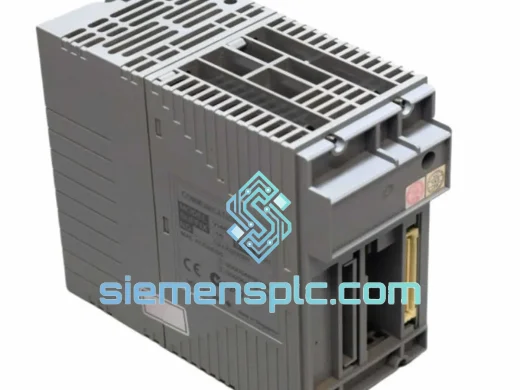
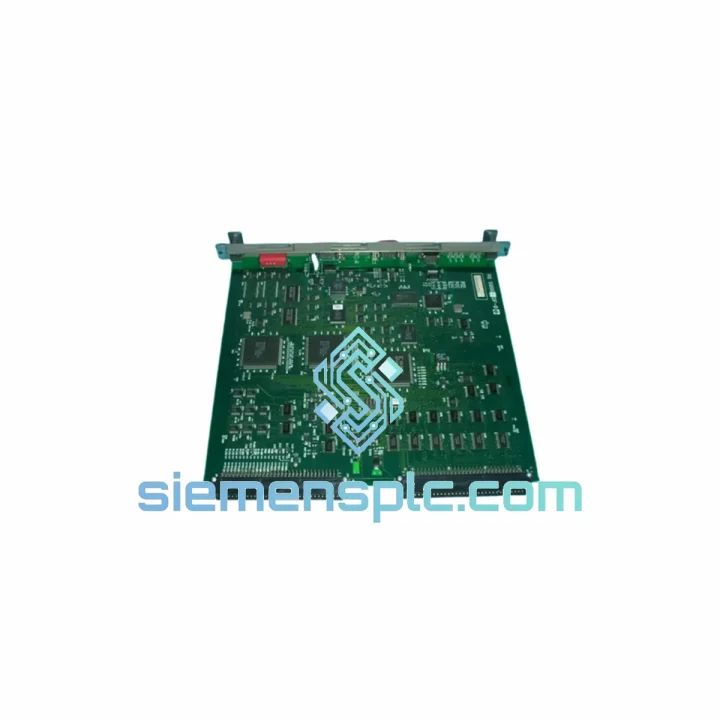
YOKOGAWA SB311-S1 DCS Processor Module
Request verified availability, condition, replacement risk review, packing options and courier lead time for SB311-S1.
BrandYokogawa
Part NumberSB311-S1
ConditionAvailability Check
Lead TimeRFQ Confirmation
DocumentsDatasheet / photos by RFQ
ShippingExport packing available
Auto-filled RFQ
SB311-S1
Click Request Quote and the part number is inserted into the inquiry form automatically.
- Reply by email: [email protected]
- WhatsApp / Tel: +86 18359268345
- Mon-Sat 9:00-18:00 GMT+8
Procurement Data
Key Product Information
Core fields for model confirmation and RFQ routing. Detailed product narrative remains below.
- Brand
- Yokogawa
- Primary Part Number
- SB311-S1
- Product Type
- DCS Processor Module
- Product Family
- Other series
- Manufacturer
- YOKOGAWA Electric Corporation
- Country of Origin
- JP
- Catalog Category
- DCS & Safety Modules
- Operating Temp.
- 0 °C to +55 °C (storage: -20 °C to +70 °C)
Model confirmed for inquiry
SB311-S1
Send quantity, destination and urgency. The RFQ form keeps this part number attached.
Request Quote
Product Overview
YOKOGAWA SB311-S1 Down? Every Minute of Downtime Costs You — We Ship Today
A failed SB311-S1 processor board in a CENTUM CS field control station doesn’t just halt one loop — it takes down the entire FCS node. In a refinery or chemical plant, that translates directly into lost throughput, emergency shutdown procedures, and the kind of phone calls nobody wants to make at 2 AM. We stock the YOKOGAWA SB311-S1 in Xiamen and can have it on a DHL or FedEx flight within hours of your order confirmation. No waiting on OEM lead times. No back-and-forth with regional distributors. Just a verified, tested unit moving toward your plant as fast as international express freight allows.
URGENT REQUIREMENT? Contact: [email protected] | WhatsApp: +86 18359268345
Quick Technical Datasheet
| Part Number | SB311-S1 ✔ Ready to Ship |
| Manufacturer | YOKOGAWA Electric Corporation |
| Module Classification | Processor Board Module (CPU Card) |
| Compatible Platform | YOKOGAWA CENTUM CS Distributed Control System |
| Form Factor | PCB card, rack-mount, single-slot |
| Processor Architecture | Dedicated real-time control processor with deterministic scan execution |
| Operating Temperature | 0 °C to +55 °C (storage: -20 °C to +70 °C) |
| Humidity Rating | 5% to 95% RH, non-condensing |
| Power Consumption | Supplied via backplane bus from SB501 power module |
| Weight | Approx. 1,250 g |
| Country of Origin | Japan |
| Condition | New OEM / Tested Surplus (confirm on inquiry) |
| Stock Status | ✔ In Stock — Ships within 24 hours |
Troubleshooting & Replacement Tips
After 10 years of field work on CENTUM CS installations, these are the failure patterns and swap pitfalls that catch engineers off guard:
Common Failure Indicators
- FCS node goes offline with no I/O fault — The SB311-S1 is the first suspect. Check the CPU LED status: a solid red or alternating red/green pattern with no scan activity points directly to processor board failure rather than an I/O or communication issue.
- Intermittent scan overruns logged in the EWS — Before condemning the processor, verify backplane connector seating and check for corrosion on the card-edge contacts. Oxidized contacts cause intermittent CPU-to-bus communication errors that mimic processor faults.
- Station restarts on power cycle but fails to resume control — This is a classic symptom of corrupted onboard firmware or a failing flash memory component on the SB311-S1. A replacement board with a matching firmware revision will resolve this immediately.
- Fault code FCS-CPU-ERR or equivalent alarm in CENTUM CS HIS — Document the exact alarm tag and timestamp before pulling the board. This data is critical for root-cause analysis after the plant is back online.
Replacement Procedure — Key Steps
- Step 1 — Confirm firmware revision before ordering. The SB311-S1 has multiple firmware variants. Pull the existing board’s label or check the CENTUM CS engineering workstation (EWS) station configuration file for the firmware version string. Mismatched firmware between a replacement board and the station’s I/O modules can cause initialization failures on first boot.
- Step 2 — Back up the station database. Use the CENTUM CS EWS to export the FCS station data before any hardware swap. Even if the processor board fails, the I/O modules retain their last configuration. A fresh SB311-S1 will load from the EWS download, but you need a clean, current backup to avoid loading stale logic.
- Step 3 — Check DIP switch settings on the replacement board. The SB311-S1 uses onboard DIP switches to configure station address and redundancy mode. These settings must match the failed board exactly. Photograph the original board’s switch positions before removal — this takes 10 seconds and prevents a 2-hour debugging session.
- Step 4 — Seat the board firmly and verify backplane lock. CENTUM CS card cages use a positive-locking mechanism. A partially seated SB311-S1 will power up but fail to establish bus communication, generating misleading fault codes that point to I/O modules rather than the processor.
- Step 5 — Perform a controlled download from EWS. After physical installation, initiate a full station download from the engineering workstation. Monitor the FCS status display for successful initialization before transferring control back to the restored station.
Self-Addressing & Configuration Notes
Unlike some newer DCS platforms, the CENTUM CS SB311-S1 does not support automatic self-addressing. The station node address is hardware-configured via DIP switches on the processor board itself. If you are replacing a board sourced from a different station, the switch configuration must be manually reconfigured to match the target station address. Failure to do so results in node address conflicts on the V-net communication bus, which will take down adjacent FCS stations — a scenario that turns a single-station outage into a plant-wide event.
Reliability in Harsh Conditions
The CENTUM CS platform was engineered for continuous operation in environments that would destroy consumer-grade electronics within weeks. The SB311-S1 processor board reflects that design philosophy at the component level.
Vibration resistance is built into the PCB layout and component selection. Industrial card cages subject processor boards to constant low-frequency vibration from pumps, compressors, and HVAC systems. YOKOGAWA specifies the SB311-S1 for operation under IEC 60068-2-6 vibration profiles, with conformal coating on critical circuit areas to prevent mechanical fatigue cracking at solder joints over multi-year service cycles.
Thermal management is handled through the board’s passive heat dissipation design, rated for continuous operation from 0 °C to 55 °C ambient. In practice, field control station cabinets in tropical refineries routinely see internal temperatures at the upper end of this range. The SB311-S1’s component derating margins are sized for these conditions — not just for a climate-controlled lab.
Humidity and contamination resistance is addressed through YOKOGAWA’s manufacturing process, which includes conformal coating application on the processor board assembly. This coating provides a barrier against condensation, airborne process chemicals, and conductive dust — all of which are present in varying degrees in petrochemical and pulp-and-paper environments. Units sourced through our inventory are inspected for coating integrity before shipment.
EMI immunity is inherent to the CENTUM CS architecture. The SB311-S1 operates within a shielded card cage connected to a dedicated instrument earth, providing substantial rejection of the high-frequency electrical noise generated by variable-frequency drives, large motor starters, and welding equipment that share the same facility.
Global Express Logistics
Our warehouse is located in Xiamen, Fujian Province — one of China’s primary export hubs with direct access to international freight lanes operated by DHL Express, FedEx International Priority, and UPS Worldwide Express.
Standard dispatch timeline: Orders confirmed before 14:00 CST ship same business day. Orders confirmed after 14:00 CST ship the following morning. For genuine emergency situations — plant down, production stopped — contact us directly via WhatsApp and we will coordinate an after-hours dispatch if freight schedules permit.
Transit times from Xiamen (typical):
- Southeast Asia (Singapore, Thailand, Malaysia, Indonesia): 2–3 business days via DHL Express
- Middle East (UAE, Saudi Arabia, Kuwait, Qatar): 3–4 business days via FedEx International Priority
- South Asia (India, Pakistan, Bangladesh): 3–5 business days via DHL Express
- Europe (Germany, Netherlands, UK, France): 4–5 business days via DHL Express or FedEx
- North America (USA, Canada, Mexico): 4–6 business days via FedEx International Priority
- Australia & New Zealand: 3–5 business days via DHL Express
Packaging: The SB311-S1 ships in anti-static shielding bags inside rigid foam-lined export cartons. Humidity indicator cards are included. All shipments include a commercial invoice, packing list, and certificate of conformance. For customers requiring import documentation (HS code 8537.10 or 8543.70 depending on destination customs classification), we prepare paperwork to your specification.
Tracking: A waybill number is sent to your email within 2 hours of dispatch. For time-critical shipments, we provide direct WhatsApp updates at each major transit hub.
Contact Information
Email: [email protected]
WhatsApp: +86 18359268345
Web: siemensplc.com
© 2026 siemensplc.com. All rights reserved.
Ready to quote
[email protected]
Send This Part Number to Sales
RFQ workflow
Quality workflow ->
Confirmation Process
01Model confirmation
We check the full part number, brand, series and visible nameplate information before quotation.
02Availability reply
Sales confirms stock path, condition option, quantity and realistic lead time for export dispatch.
03Packing & courier
DHL, FedEx, UPS or buyer courier arrangements can be reviewed with packing requirements.
Continue sourcing
Browse full catalog ->
Related Automation Parts
Similar brand or category products for fast comparison and multi-item RFQ lists.