Bently Nevada
RFQ Ready
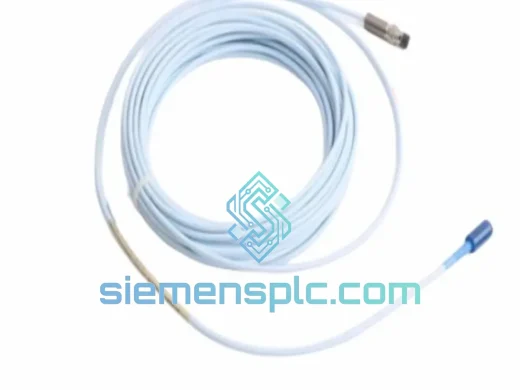
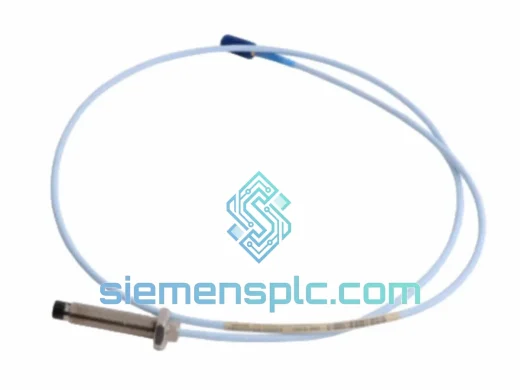
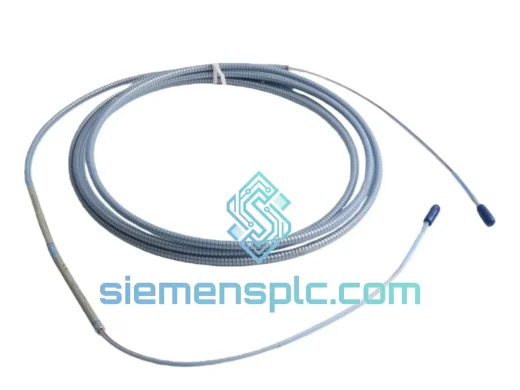
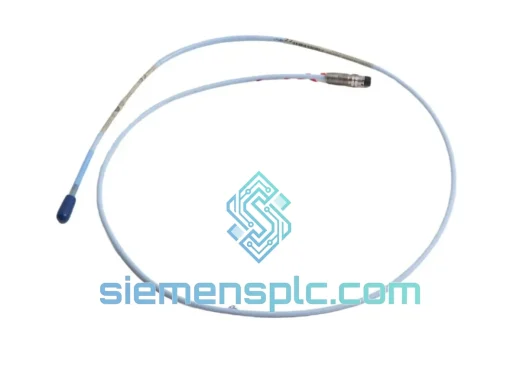
Bently Nevada 330196-05-30-10-00 Proximity Probe – 3300 XL ETR
3301
Origin US
Proximity Probe
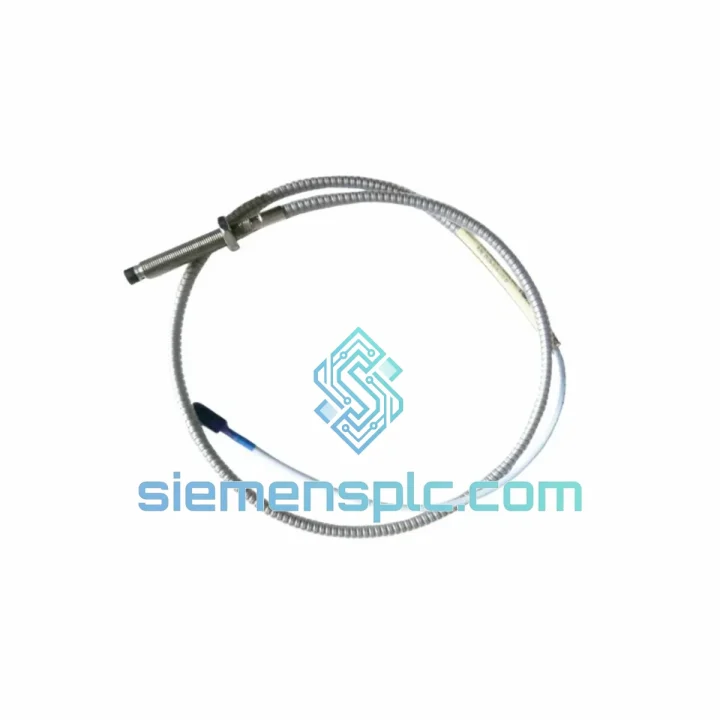
Request verified availability, condition, replacement risk review, packing options and courier lead time for 330104-00-04-10-02-05.
Click Request Quote and the part number is inserted into the inquiry form automatically.
Core fields for model confirmation and RFQ routing. Detailed product narrative remains below.
Your compressor train is down. The control room is showing a Proximitor fault on the radial channel. Maintenance is standing by. The shift supervisor is on the phone. You already know what you need — a verified, ready-to-ship Bently Nevada 330104-00-04-10-02-05 proximity transducer system, in your hands before the next production window closes.
We stock this exact part number. No lead-time games, no “check back in two weeks.” If you’re reading this during an active outage, stop scrolling and contact us now.
URGENT REQUIREMENT?
📧 Email: [email protected]
📱 WhatsApp: +86 18359268345
| Parameter | Specification |
|---|---|
| Part Number | 330104-00-04-10-02-05 |
| Brand | Bently Nevada (Baker Hughes) |
| Series | 3300 XL Proximity Transducer System |
| Sensing Technology | Eddy-current, non-contact |
| Measurement Type | Radial shaft vibration & axial displacement |
| Output Signal | −24 VDC nominal |
| Sensitivity | 200 mV/mil (7.87 V/mm) |
| Linear Range | 10–90 mil (0.25–2.29 mm) |
| Frequency Response | DC to 10,000 Hz |
| Probe Operating Temp | −35°C to +121°C |
| Driver Operating Temp | −35°C to +66°C |
| Target Material (std) | AISI 4140 steel |
| Compliance | API 670 (5th Ed.), CE, RoHS |
| Connector | Standard BN coaxial |
| Stock Status | ✅ Ready to Ship — Xiamen Warehouse |
Ten years of field calls on 3300 XL systems teach you the same lessons repeatedly. Here’s what actually matters when you’re swapping this module under pressure:
Fault Code Interpretation Before You Pull the Probe
Before condemning the transducer, verify the fault source. A Not OK (NOK) LED on the Proximitor driver does not automatically mean the probe is dead. Work through this sequence:
Replacement Procedure — Field Checklist
Common Failure Modes on 3300 XL Proximity Systems
The 3300 XL platform was not designed for a climate-controlled instrument room. It was designed for the bearing housing of a 40 MW steam turbine running at 3,600 RPM in a coastal petrochemical plant. The 330104-00-04-10-02-05 reflects that design philosophy throughout.
The probe body is constructed from 316 stainless steel with a hermetically sealed tip assembly. The internal ferrite core and coil winding are encapsulated in a thermally stable compound that maintains dimensional integrity from arctic cold-start conditions (−35°C) through sustained high-temperature operation at bearing housings that routinely see 110–120°C surface temperatures. The probe cable jacket is rated for continuous oil immersion and resists degradation from the lubricating oil additives, steam condensate, and cleaning solvents common in turbomachinery environments.
Vibration immunity is a non-negotiable requirement for a sensor mounted directly to rotating machinery. The 3300 XL probe assembly is qualified to withstand the broadband mechanical vibration present at bearing housings — including the resonant frequencies of the probe mounting bracket itself. The coaxial cable construction provides inherent rejection of electromagnetic interference from nearby motor windings, bus bars, and RF sources.
In offshore and marine applications where salt fog and humidity are constant factors, the sealed probe body prevents moisture ingress that would otherwise detune the eddy-current coil and shift the system calibration. Units stored in our Xiamen warehouse are maintained in controlled-humidity conditions with moisture-barrier packaging to preserve this integrity through transit.
Downtime doesn’t wait for standard freight schedules. Our logistics process is built around that reality.
Stock is held at our Xiamen facility, positioned for direct access to Xiamen Gaoqi International Airport (XMN) — a primary hub for DHL Express and FedEx International Priority services. For urgent orders confirmed before 14:00 CST, same-day handover to the carrier is standard. Typical transit times from Xiamen:
Every shipment includes a full commercial invoice, packing list, and certificate of origin. For customers requiring customs pre-clearance documentation, HS code classification support, or end-user certificates for controlled-destination shipments, our export team handles the paperwork — you focus on getting your plant back online.
Packaging is engineered for the part: anti-static inner wrap, rigid foam insert sized to the probe geometry, and an outer carton rated for the drop and compression loads of international air freight handling. The probe tip — the most mechanically vulnerable point — is protected by a dedicated tip cap that remains in place until installation.
Plant down. Clock running. Here’s how to reach us directly — no ticket queues, no automated responses:
📧 Email: [email protected]
📱 WhatsApp: +86 18359268345
🌐 Web: siemensplc.com
Provide your part number, required quantity, and destination country. We’ll confirm stock availability and issue a quotation within the hour during business hours.
© 2026 siemensplc.com. All rights reserved.
We check the full part number, brand, series and visible nameplate information before quotation.
Sales confirms stock path, condition option, quantity and realistic lead time for export dispatch.
DHL, FedEx, UPS or buyer courier arrangements can be reviewed with packing requirements.
Similar brand or category products for fast comparison and multi-item RFQ lists.