
The CPU can be the smallest part of an S7-200 replacement decision. A panel may also depend on a serial HMI connection, a particular expansion arrangement, field wiring with little spare length and a machine program maintained in an older engineering environment. A proposal that prices only a new controller can leave most of the real migration work outside the budget.
For an S7-200 to S7-1200 transition, begin by defining what crosses the replacement boundary. This makes the comparison between a legacy bridge spare and a planned modernization meaningful, without pretending that the two purchases deliver the same result.
Map the machine before choosing the new CPU
Record the installed controller’s complete order number and revision, the expansion modules, the supply arrangement and every communication partner. Identify what each link does: programming, operator interface, machine coordination or connection to a peripheral. Similar-looking connectors can serve different purposes, and the presence of a serial cable says little about the application protocol by itself.
A 6ES7214-1BD23-0XB0 CPU 224 provides a specific legacy identity for a spare enquiry. Preserve that order number in the equipment record instead of reducing it to S7-200 CPU. A bridge unit still needs appropriate project data and an approved recovery method; possession of hardware alone is not a complete recovery plan.
Separate installed facts from assumptions. Mark a connection as unverified when its protocol or configuration is not known. An honest unresolved entry is more useful to the project estimator than a confident but unsupported claim that the new controller can simply use the old cable.
The transition is architectural
Siemens’ S7-1200 Transition Manual discusses hardware, communication, HMI, memory and programming differences. It is a historical transition reference, not a current availability guarantee. Its breadth is a useful reminder that moving between controller families involves more than translating a CPU label.
A 6ES7214-1AG40-0XB0 CPU 1214C can be an identified item for engineering review, but it is not declared here to be a direct replacement for the CPU 224 above. Confirm its exact electrical variant, firmware, supported engineering environment and application capacity before including it in an approved bill of materials.
Do not assume existing expansion modules transfer to the new controller. Establish the new I/O arrangement from the actual signal schedule and manufacturer-supported architecture. Retaining a field device, retaining its cable and retaining the old PLC expansion hardware are three different decisions.
Budget the interfaces as explicit deliverables
Use a boundary schedule with one entry for each connection leaving the controller assembly. Assign an owner to confirm its present function, proposed implementation and acceptance method. This exposes work that a CPU-only quotation cannot capture.
- Field I/O: signal types, channel allocations, isolation needs and terminal changes.
- Operator interface: supported controller connection, addressing and required application changes.
- Serial equipment: protocol, message behavior and the proposed supported interface.
- Panel installation: space, cable reach, supply distribution and documented wiring changes.
- Engineering handover: released source files, software references, tests and recovery ownership.
Where a connection is retained through an additional interface, include that device in the support plan. A migration should not quietly create a new single point of dependence with no configuration record or spare strategy. Engineering must evaluate the proposed design rather than assume that a gateway makes every legacy interaction equivalent.
Keep bridge-spare spending separate
A legacy spare may be justified while the migration is designed and commissioned. Give it a defined purpose: protect a specified operating period, support a scheduled shutdown or provide rollback under an approved plan. Keep that purpose visible in the purchase approval.
The migration budget should then identify the work needed to retire the dependency, including acceptance and documentation. Otherwise, a plant can purchase both old and new hardware while never completing the engineering that makes either recovery strategy reliable.
Compare complete recovery effort, not just equipment prices. A low-cost controller with unresolved communication work can require more outage time than an apparently expensive package whose interfaces have been reviewed. No particular price or lead time is implied here; obtain current quotations for the actual scope.
Acceptance must cover the boundaries
A program that compiles does not prove that the field wiring, peripheral communication and operator sequence behave correctly. Develop acceptance cases from the machine’s approved operating requirements and perform them in a controlled environment before release to production.
Include defined responses to interrupted communication, unavailable peripherals and restart conditions where relevant. Keep ordinary control validation separate from any required safety-function validation. Changes affecting protective functions must follow the appropriate specialist process; a general PLC migration guide cannot authorize them.
At handover, archive the accepted hardware list, drawings, project and test evidence together. Identify the released version and remove ambiguity about which backup belongs to the machine. The next maintenance team should not need to infer the final design from a folder of intermediate conversions.
FAQ
Can S7-200 expansion modules be plugged into an S7-1200?
Do not plan on that assumption. Select the expansion architecture supported by the target controller and review the field signals individually. Retained wiring does not establish module compatibility.
Will the existing serial HMI continue working?
That depends on the actual HMI, protocol and proposed controller interface. Document the present connection and obtain a supported migration design. Connector shape or a familiar cable is not sufficient evidence.
Is the listed CPU 1214C the recommended replacement for the CPU 224?
No one-to-one recommendation is made here. The two product references identify different families for enquiry. The responsible engineer must select and validate the exact target variant against the machine requirements.
What should an RFQ include to avoid a CPU-only estimate?
Include the existing order number, expansion list, communication partners, signal schedule, intended bridge or migration role, quantity and destination. State which accessories, engineering work and acceptance deliverables are inside the requested scope.
Send SiemensPLC the identified hardware requirements for a focused quotation. Keeping bridge spares and migration components clearly separated helps sourcing support the engineering plan without implying an unverified drop-in replacement.
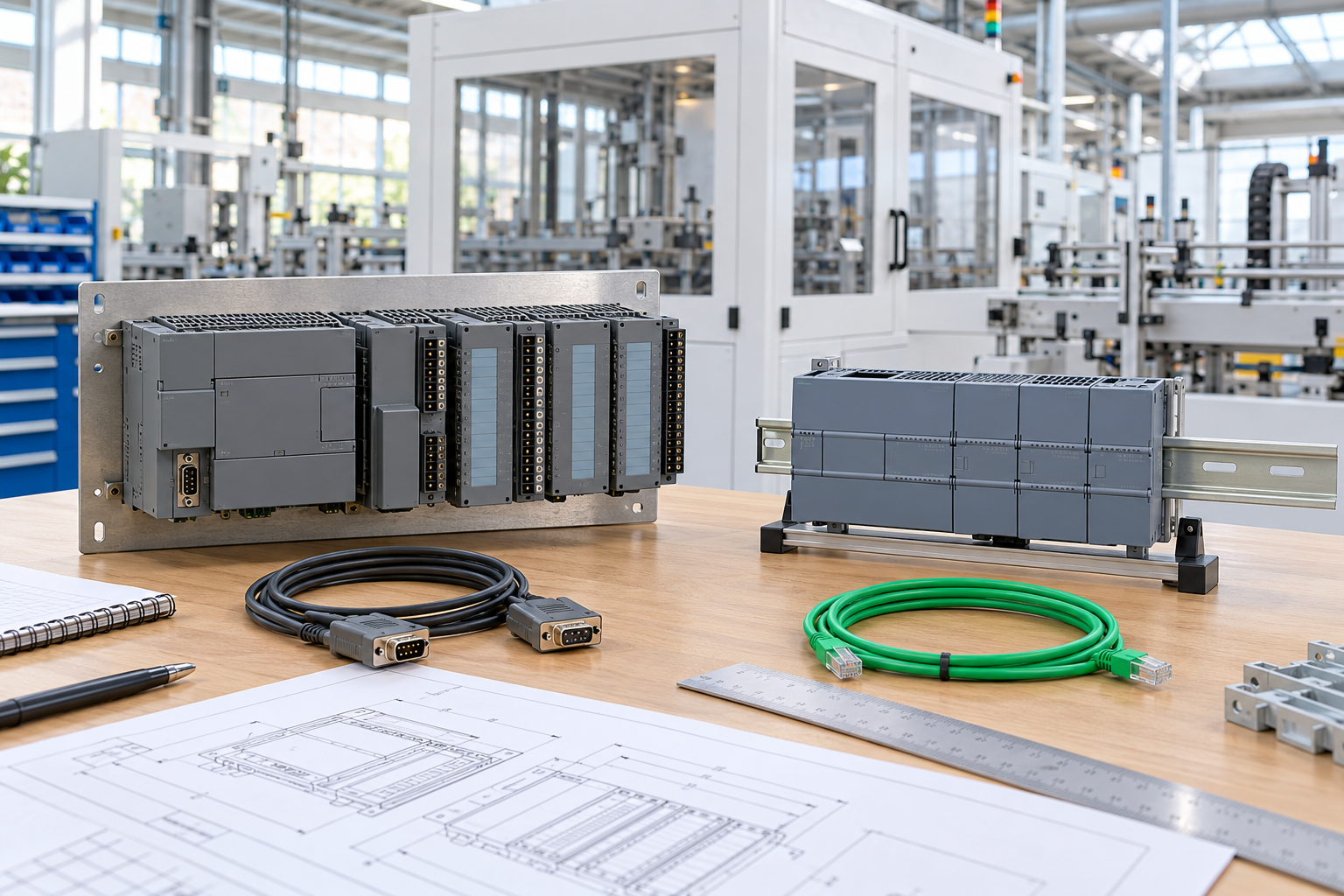
Image: AI-generated editorial illustration, not an exact product photograph or installation reference.
© 2026 SiemensPLC. All rights reserved. Official Website: https://siemensplc.com Inquiry: [email protected] | WhatsApp/Tel: +86 18359268345