
Two offers for the same SIMATIC S5 EPROM can cover very different deliverables. One supplies a memory submodule with an agreed hardware condition. Another promises that the submodule contains an authorized, verified machine application. The second promise cannot be inferred from the first, even when both quotations use the word “tested.”
For an older production machine, that difference can determine whether a spare is genuinely useful during a failure. The buying question is not only “is this the correct memory part?” It is also “what, if anything, is included concerning its contents, and who has accepted those contents for this machine?”
Define the hardware before discussing the program
Siemens identifies 6ES5375-1LA21 as a SIMATIC S5 CMOS EPROM memory submodule with 16 KB capacity. That is a hardware identity, not a statement about the program on a particular offered item or its suitability for every S5 CPU.
The 6ES5375-1LA21 EPROM sourcing page can therefore support an exact-part inquiry. Pair it with the installed CPU identity and applicable documentation when engineering assesses suitability. Do not approve a memory purchase solely because the capacity and exterior appear familiar.
Ask for the actual offered item number, condition and identification photographs. Clarify whether any existing contents are unknown, blank, preserved for inspection or supplied under a separate programming agreement. Unknown contents should never be described as a usable application merely because the hardware can be read.
Use separate acceptance lines for hardware and contents
The hardware line should describe the agreed physical and functional examination, its limitations and the evidence supplied. A test report should name the item it covers. “Tested good” without a method or scope leaves the buyer to guess whether the test addressed the memory device, a programming operation or operation in some unrelated controller.
The contents line should identify the authorized application source, revision, intended machine and responsible approver. It should also define the verification method and the evidence that will link the programmed item to that source. Do not assume the supplier possesses the plant’s application or has permission to reproduce software found on another unit.
These lines may have different owners. Purchasing can confirm the contracted deliverable. Controls engineering should approve the technical application reference and the required verification. The machine owner should retain responsibility for the final operating acceptance under the site’s established procedures.
A readable image is not automatically the correct image
A read operation can establish information about the data obtained under that test. It does not independently establish that the data belongs to the current machine revision, includes every required element or reflects the last approved modification. A file can be internally consistent and still be the wrong file.
Consider a hypothetical machine that received an approved process change after its original memory backup was archived. Reproducing the old image accurately would not reproduce the new machine behavior. This is an illustrative configuration-control problem, not a reported customer incident or a claim that a particular S5 installation behaves in one universal way.
The remedy is to maintain the relationship between the application baseline, its approval record and the physical spare. Use checksums or comparison reports where appropriate to the approved tooling, but do not confuse data equality with engineering suitability. Both questions need answers.
Check the service capability before ordering a programming service
The Siemens S5-115U manual describes memory-submodule programming in the context of suitable programming equipment and the relevant software package. It is a reference for that system, not blanket instructions for all S5 controllers or authorization to perform a reset on a running machine.
Before requesting a programmed spare, identify the supported workflow for the exact CPU and memory combination, the available tools, and the qualified personnel who will perform the work. If that capability is missing, buying an extra memory submodule alone will not resolve the service gap.
Keep production changes separate from receiving inspection. Do not erase, overwrite or trial an unknown application on an operating machine simply to see whether it works. Any application transfer, startup or replacement belongs inside an approved maintenance and safety procedure with the appropriate recovery arrangements.
Write the delivery description so it can be checked
A hardware-only requirement can say that the exact submodule is required with stated condition and test evidence, while application contents are excluded or explicitly unknown. This is an honest, useful scope when the plant has its own validated programming capability.
A programmed-delivery requirement should additionally identify the authorized source supplied by the customer, the agreed verification result, labelling or traceability requirements and any excluded installation work. Commercial wording should not promise machine readiness beyond what has actually been assessed.
At receipt, keep the documentation with the stock record. If the application revision changes later, review whether the spare’s contents must be updated through the approved process. Otherwise a once-correct programmed spare can quietly become an obsolete configuration while still appearing available in inventory.
Questions before buying S5 memory
Does an unused EPROM include our machine program?
No. Hardware condition does not establish application contents. Ask explicitly what is supplied and who provides the authorized program. A product listing or unused appearance should not be interpreted as a programming-service agreement.
Does a successful read prove the spare will run the machine?
No. It does not establish the correct application revision, CPU suitability or accepted machine behavior. Reading and comparison can form part of verification, but engineering must define what those results prove and what remains untested.
Can we use another machine’s EPROM as the program source?
Only after the responsible owner establishes authorization and technical suitability through the site’s controlled process. Similar machine names do not prove identical applications. Do not reproduce third-party software or confidential machine logic without the necessary rights.
What should an EPROM quotation request contain?
Provide the exact submodule and CPU identities, quantity, condition requirement and destination. State hardware-only or programmed-delivery scope. For programming, agree the authorized source, verification requirements and engineering contact before sharing application files.
Use the SiemensPLC sourcing contact to request the exact memory hardware and clarify the required delivery evidence. Keeping hardware and application obligations separate makes an older-system spare easier to purchase and much harder to misunderstand.
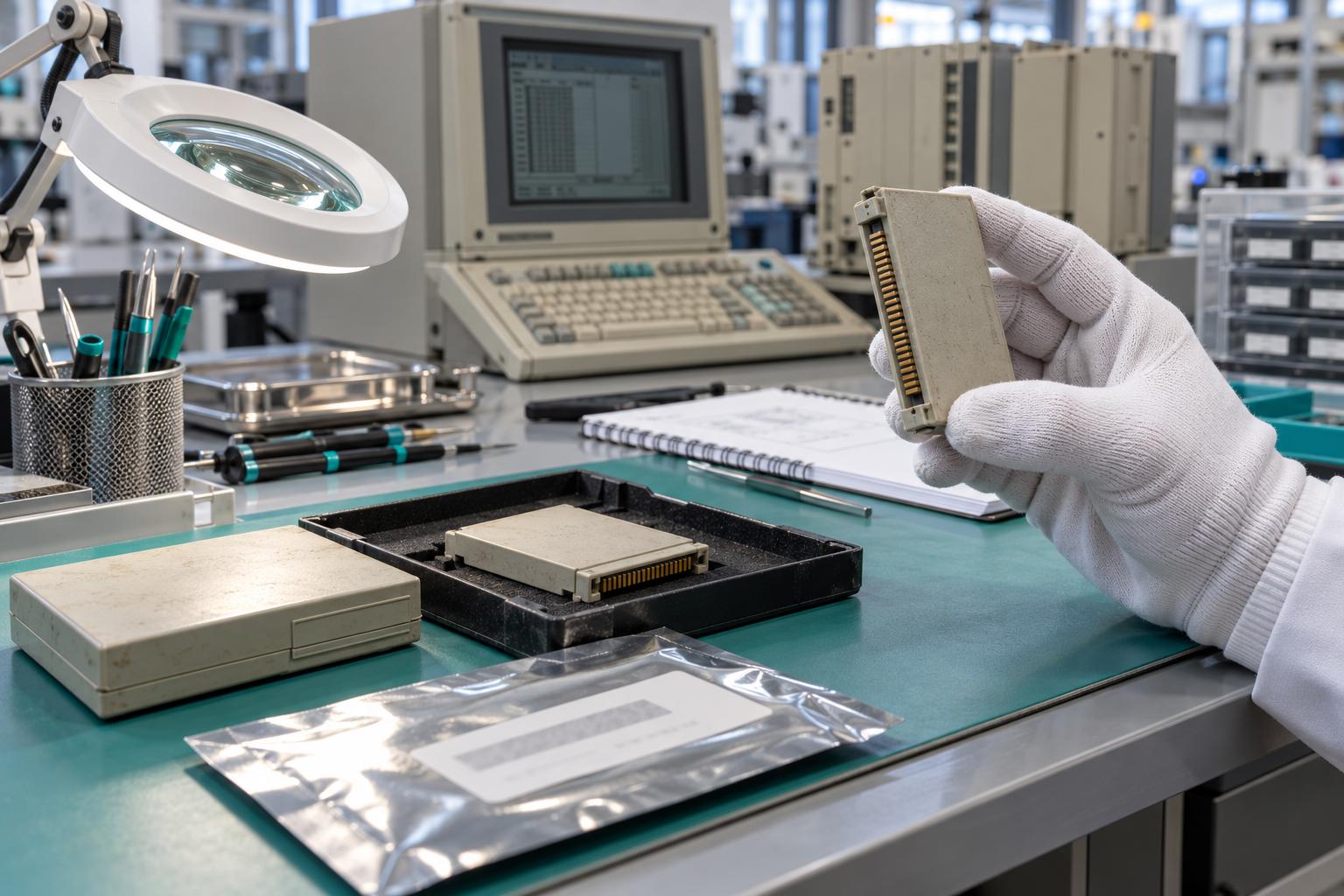
Image: AI-generated editorial illustration, not an exact product photograph or installation reference.
© 2026 SiemensPLC. All rights reserved. Official Website: https://siemensplc.com Inquiry: [email protected] | WhatsApp/Tel: +86 18359268345