ABB
RFQ Ready
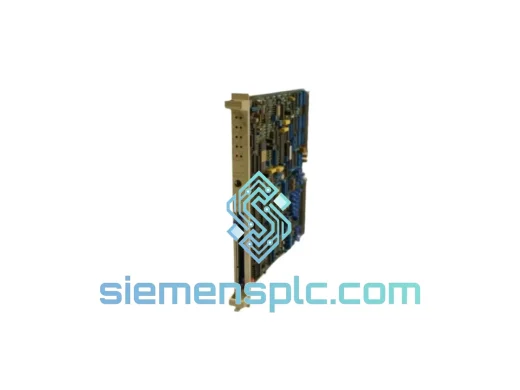
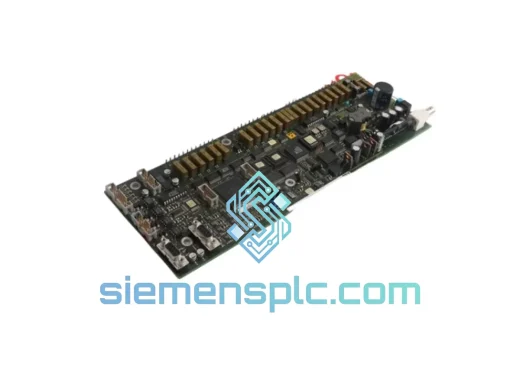
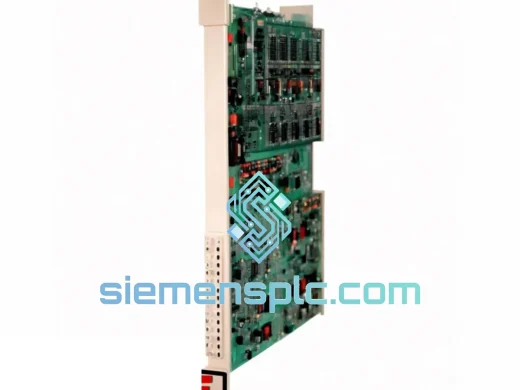
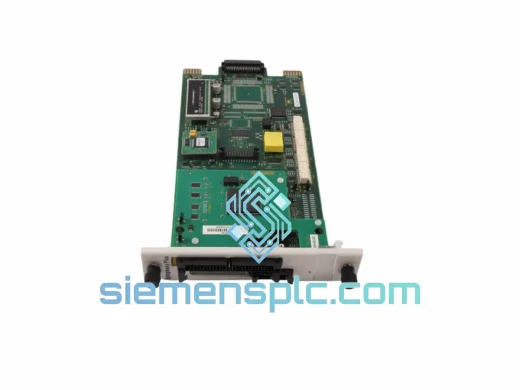
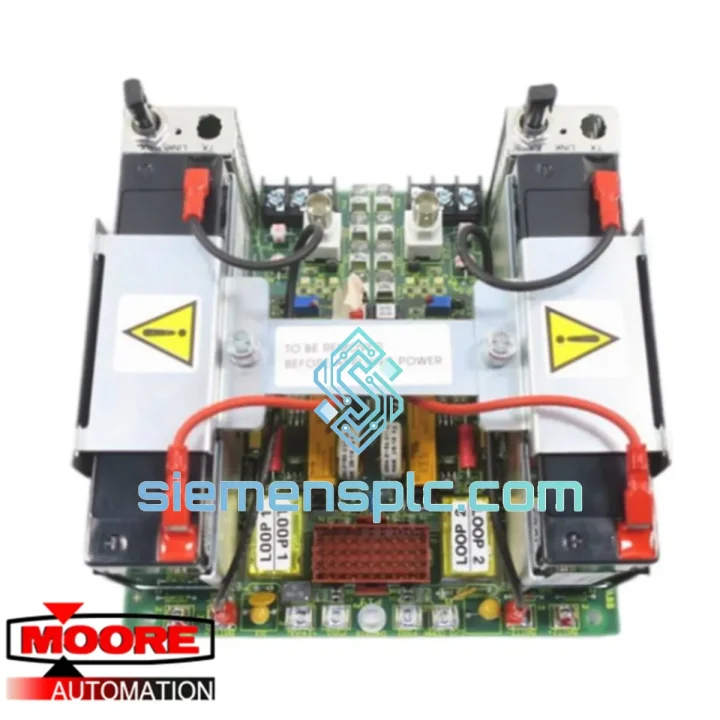
ABB SPICT13A Computer Interface Module – Advant Series
Advant
Origin SE
Computer Interface Module
Request verified availability, condition, replacement risk review, packing options and courier lead time for NTCF22.
Click Request Quote and the part number is inserted into the inquiry form automatically.
Core fields for model confirmation and RFQ routing. Detailed product narrative remains below.
Your Advant or MOD 300 DCS just threw a fiber optic communication fault. The controller is isolated, the loop is dead, and production is bleeding money by the hour. You don’t need a sales pitch — you need a verified NTCF22 on a plane tonight. That’s exactly what we do.
We stock the ABB NTCF22 Fiber Optic Communication Termination Unit as a shelf-ready spare, inspected and documented, ready to clear customs and land on your bench within 24–72 hours via DHL or FedEx Express from Xiamen, China. No lead-time games, no “check back in two weeks.” If it’s on the shelf, it ships today.
URGENT REQUIREMENT? Contact: [email protected] | WhatsApp: +86 18359268345
| Manufacturer | ABB |
| Part Number / SKU | NTCF22 |
| Series | Advant / MOD 300 |
| Function | Fiber Optic Communication Termination Unit |
| Interface | Multimode fiber optic, ST-type connectors (Tx/Rx) |
| Host Platform | ABB AC 450 / AC 410 / MOD 300 controller chassis |
| Mounting | Backplane slot — Advant controller cabinet |
| Power | Via backplane bus (system-supplied) |
| Operating Temp | 0 °C to +55 °C |
| Storage Temp | −40 °C to +70 °C |
| Certifications | CE, UL (platform-level) |
| Condition | Tested, inspected, documented |
| Stock Status | ✔ Ready to Ship — Xiamen warehouse |
| Lead Time | Same-day dispatch for in-stock units |
After ten years of field calls, here’s what actually goes wrong with the NTCF22 and what to check before you pull the module:
Symptom 1 — “COMM FAULT” or “NODE LOST” on the Advant operator station
First, don’t assume the NTCF22 is dead. Walk the fiber path. ST connectors in industrial cabinets accumulate dust and vibration-induced micro-cracks at the ferrule. Clean both ends with an IEC 61300-3-35 compliant cleaner and re-inspect with a fiber scope. A contaminated connector kills signal faster than a failed module. If the link still won’t come up after cleaning, swap the patch cable before condemning the NTCF22.
Symptom 2 — Module LED status: RX solid red, TX off
This pattern typically indicates the receive path is detecting no light. Confirm the far-end transmitter (NTCF21 or NTCF23 depending on your topology) is powered and its TX LED is active. A failed far-end transmitter will look exactly like a failed local NTCF22 receiver. Swap ends before ordering parts.
Symptom 3 — Intermittent communication dropouts under vibration
ST connectors are notoriously vibration-sensitive. If your plant runs heavy rotating equipment nearby, the ST bayonet lock may be working loose. Secure connectors with a small cable tie loop and check the fiber routing for tight bends exceeding the minimum bend radius (typically 30 mm for multimode). If dropouts persist after mechanical remediation, the NTCF22 transceiver is likely degraded — replace it.
Replacement Procedure — Key Steps:
The NTCF22 was engineered for the environments where copper-based communication fails. ABB designed the Advant fiber optic stack specifically for continuous-process industries — not office automation. Here’s what that means in practice:
Vibration Resistance: The module’s backplane connector and internal PCB assembly are designed to withstand the sustained vibration profiles found in compressor halls, turbine decks, and heavy milling operations. ABB qualifies Advant hardware to IEC 60068-2-6 vibration test standards. In field experience, NTCF22 modules routinely outlast the copper I/O modules in the same cabinet by years.
Thermal Stability: Operating across 0 °C to +55 °C with storage down to −40 °C, the NTCF22 handles the thermal cycling common in outdoor-rated cabinets and non-climate-controlled substations. The fiber optic link itself is immune to the thermal expansion effects that cause resistance drift in copper signal wiring.
Humidity and Condensation: Fiber optic signal transmission is inherently immune to the corrosion and leakage currents that degrade copper communication in high-humidity environments — pulp mills, coastal platforms, tropical process plants. The NTCF22’s conformal-coated PCB provides additional protection against moisture ingress in cabinets with imperfect sealing.
EMI/RFI Immunity: This is where fiber optic communication earns its place in heavy industry. Variable-frequency drives, high-voltage switchgear, arc furnaces, and welding equipment generate electromagnetic interference that corrupts copper-based fieldbus signals. The NTCF22’s fiber optic link is completely immune — no shielding, no ferrite beads, no grounding arguments. The signal either arrives intact or it doesn’t arrive at all, which makes fault diagnosis straightforward.
Galvanic Isolation: The fiber optic link provides complete electrical isolation between DCS nodes. In plants with multiple earthing systems or significant ground potential differences between buildings, this isolation prevents ground loop currents that can corrupt data and damage equipment. For offshore platforms and chemical plants with hazardous-area segregation requirements, this isolation is not optional — it’s a safety requirement.
We operate from Xiamen, China — one of the country’s primary export hubs with direct DHL and FedEx Express gateway access. Here’s how your NTCF22 gets from our shelf to your site:
Day 0 — Order Confirmation: You confirm your purchase order before 3:00 PM CST. Our warehouse team pulls the unit, completes final inspection, photographs the hardware revision label and connector condition, and prepares export documentation.
Day 0 — Export Documentation: We prepare the commercial invoice, packing list, and Certificate of Origin in parallel with packing. For customers in the EU, US, or Australia, we pre-classify the HS code (typically 8537.10 for industrial control modules) to prevent customs clearance delays. If your site requires an end-user certificate or import license, advise us at order confirmation — we’ve handled this for customers in regulated markets before.
Day 1 — Airfreight Departure: The shipment enters the DHL or FedEx Express network at Xiamen Gaoqi International Airport. For most destinations in Europe, the Middle East, and Southeast Asia, transit time is 24–48 hours gate-to-gate. North America typically runs 48–72 hours. Remote destinations (West Africa, Central Asia) may require 72–96 hours.
Day 2–4 — Delivery to Site: You receive a tracking number within 2 hours of dispatch. DHL and FedEx provide real-time tracking with customs clearance status updates. For time-critical shipments, we can arrange pre-clearance with your local customs broker — contact us to coordinate.
Packaging: Every NTCF22 ships in an ESD-safe anti-static bag, foam-cushioned within a double-wall corrugated carton rated for air freight handling. Fiber optic connectors are capped with dust covers. The unit arrives ready to install — not ready to be cleaned up after a rough transit.
Email: [email protected]
WhatsApp: +86 18359268345
Web: siemensplc.com
© 2026 siemensplc.com. All rights reserved.
We check the full part number, brand, series and visible nameplate information before quotation.
Sales confirms stock path, condition option, quantity and realistic lead time for export dispatch.
DHL, FedEx, UPS or buyer courier arrangements can be reviewed with packing requirements.
Similar brand or category products for fast comparison and multi-item RFQ lists.