Allen-Bradley
RFQ Ready
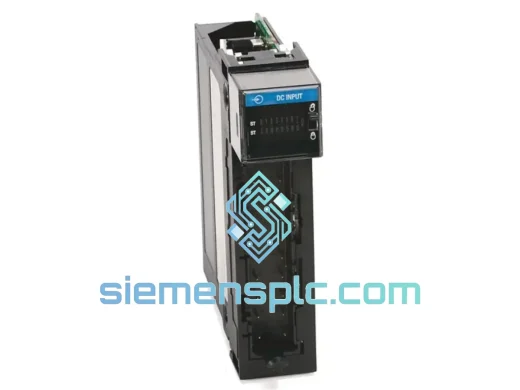
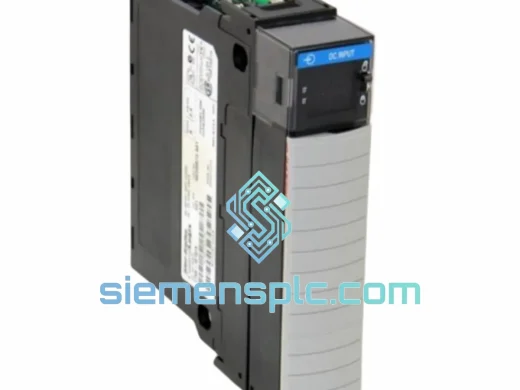
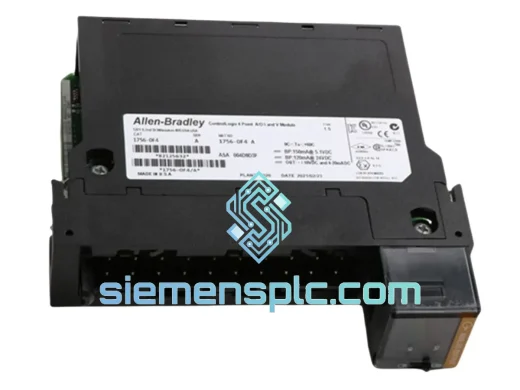
Allen-Bradley 1756-OF4 PLC Analog Output Module
ControlLogix
Origin US
PLC Analog Output Module
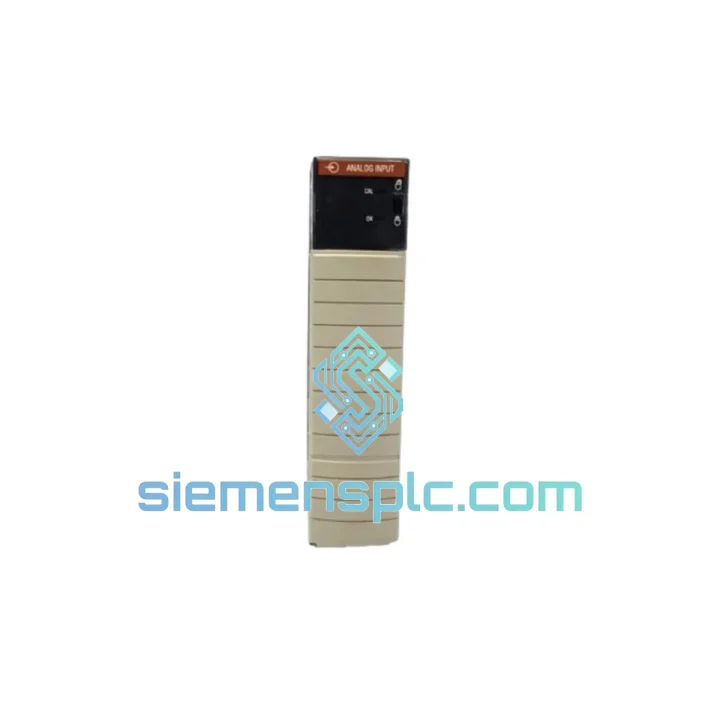
Request verified availability, condition, replacement risk review, packing options and courier lead time for 1756-IF16/A.
Click Request Quote and the part number is inserted into the inquiry form automatically.
Core fields for model confirmation and RFQ routing. Detailed product narrative remains below.
A failed Allen-Bradley 1756-IF16/A doesn’t just trip an alarm — it shuts down your entire analog acquisition loop. Sixteen channels of process data go dark. Your operators are flying blind. Production stops. In a refinery, a pharmaceutical batch line, or an automotive stamping cell, that translates directly into five-figure losses per hour. We stock the 1756-IF16/A in Xiamen, tested and ready to pull from the shelf the moment your purchase order lands. No lead-time negotiation. No waiting on a distributor’s back-order queue. You call, we ship.
URGENT REQUIREMENT? Contact: [email protected] | WhatsApp: +86 18359268345
| Parameter | Specification |
|---|---|
| Part Number | 1756-IF16/A |
| Series | A |
| Platform | Allen-Bradley ControlLogix (1756 chassis) |
| Input Channels | 16 single-ended / 8 differential |
| Input Signal Types | ±10 V DC, 0–10 V DC, 0–20 mA, 4–20 mA |
| Resolution | 16-bit |
| Input Impedance (Voltage) | ≥ 1 MΩ |
| Input Impedance (Current) | 249 Ω |
| Backplane Current (5 V DC) | 250 mA |
| Backplane Current (24 V DC) | 2 mA |
| Operating Temperature | 0 °C to 60 °C |
| Storage Temperature | −40 °C to 85 °C |
| Relative Humidity | 5–95% non-condensing |
| Channel-to-Backplane Isolation | 250 V AC continuous |
| Terminal Block | 36-pin RTB (1756-TBNH / 1756-TBSH) |
| Slot Width | Single slot |
| Certifications | UL, CE, C-Tick |
| Origin | United States |
| Stock Status | ✅ Ready to Ship — Xiamen Warehouse |
After ten years of emergency callouts, these are the failure patterns that show up on the 1756-IF16/A repeatedly. Know them before you pull the module.
Common Fault Codes & What They Actually Mean
Step-by-Step Hot-Swap Replacement Procedure
Single-Ended vs. Differential Wiring — Get This Right
In single-ended mode, all 16 channels share a common COM terminal. In noisy environments — VFD cabinets, welding cells, high-current bus bars nearby — this shared reference picks up common-mode noise and corrupts readings across all channels simultaneously. If you’re seeing correlated noise on multiple channels, rewire to differential mode (8 channel pairs, independent high/low per pair). It costs you half the channel count but eliminates the noise floor problem without any hardware change.
The 1756-IF16/A was not designed for a climate-controlled server room. It was built for the plant floor — and the design choices reflect that.
The module’s conformal-coated PCB provides a barrier against airborne contaminants: cutting fluid mist in machining centers, sulfur compounds in pulp and paper mills, and salt-laden air in coastal installations. The coating doesn’t make the module indestructible, but it significantly extends service life in environments where an uncoated board would corrode within months.
Vibration tolerance is rated to IEC 68-2-6 standards — the module withstands continuous low-frequency vibration typical of compressor skids and pump stations without connector fretting or solder joint fatigue. The RTB’s captive-screw retention system keeps the terminal block seated under vibration loads that would shake a friction-fit connector loose.
Thermal cycling is where many third-party analog modules fail prematurely. The 1756-IF16/A’s 0–60 °C operating range covers the majority of industrial enclosure environments, and the internal components are rated for the full −40 °C to 85 °C storage range — meaning a module that sat in an unheated warehouse through a northern winter is not thermally stressed when it goes into service.
The 250 V AC channel-to-backplane isolation protects the controller and the rest of the chassis from ground faults and transient overvoltages originating in field wiring — the kind of event that happens when a technician accidentally connects a 120 V AC instrument power supply to an analog input terminal.
Our warehouse is in Xiamen, Fujian Province — one of China’s primary export hubs with direct access to international freight lanes via Xiamen Gaoqi International Airport and Xiamen Port. Your emergency shipment moves from our shelf to an international carrier within hours, not days.
If your plant is down and every hour matters, send a WhatsApp message directly. We respond faster there than by email during off-hours.
Email: [email protected]
WhatsApp: +86 18359268345
Web: siemensplc.com
© 2026 siemensplc.com. All rights reserved.
We check the full part number, brand, series and visible nameplate information before quotation.
Sales confirms stock path, condition option, quantity and realistic lead time for export dispatch.
DHL, FedEx, UPS or buyer courier arrangements can be reviewed with packing requirements.
Similar brand or category products for fast comparison and multi-item RFQ lists.