
Allen-Bradley
In Stock OK
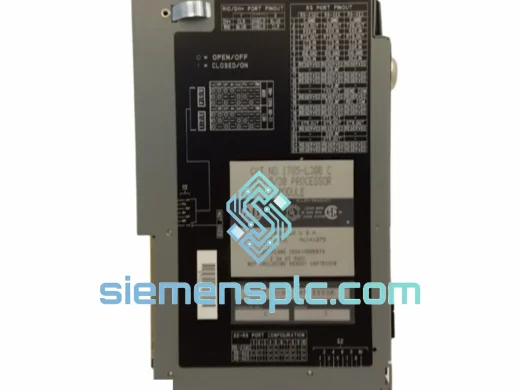
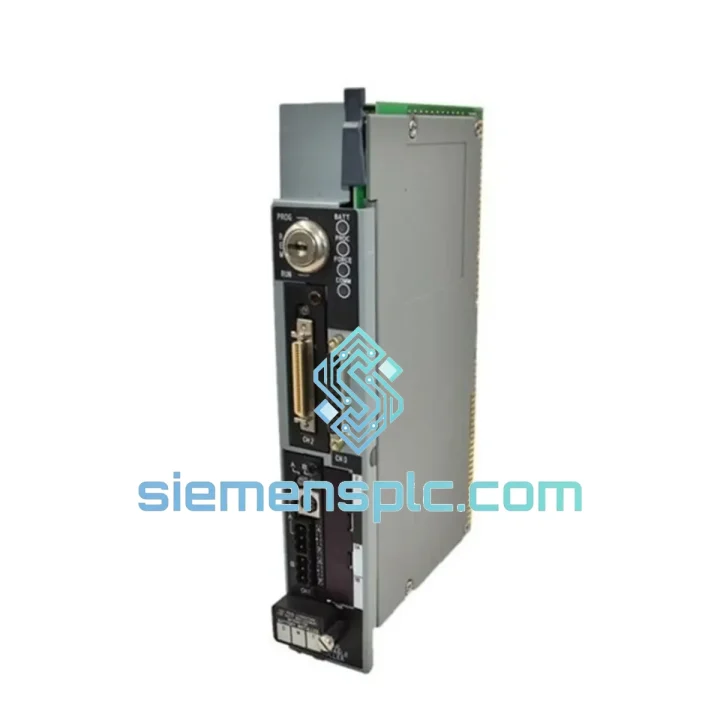
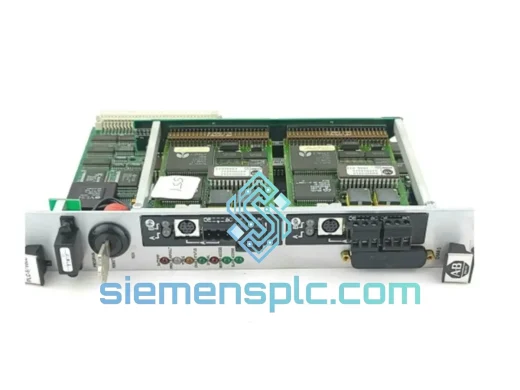
Allen-Bradley 1785-L60L PLC-5/60L Processor
Request verified availability, condition, replacement risk review, packing options and courier lead time for 1785-L60L.
BrandAllen-Bradley
Part Number1785-L60L
ConditionAvailability Check
Lead TimeRFQ Confirmation
DocumentsDatasheet / photos by RFQ
ShippingExport packing available
Auto-filled RFQ
1785-L60L
Click Request Quote and the part number is inserted into the inquiry form automatically.
- Reply by email: [email protected]
- WhatsApp / Tel: +86 18359268345
- Mon-Sat 9:00-18:00 GMT+8
Procurement Data
Key Product Information
Core fields for model confirmation and RFQ routing. Detailed product narrative remains below.
- Brand
- Allen-Bradley
- Primary Part Number
- 1785-L60L
- Product Type
- PLC Processor
- Series / Family
- PLC-5
- Manufacturer
- Allen-Bradley / Rockwell Automation
- Country of Origin
- US
- Catalog Category
- PLCs & Controllers
- Operating Temp.
- 0 °C to +60 °C
- Humidity
- 5–95% RH, non-condensing
Model confirmed for inquiry
1785-L60L
Send quantity, destination and urgency. The RFQ form keeps this part number attached.
Request Quote
Product Overview
Allen-Bradley 1785-L60L PLC-5/60L Processor — Stop the Clock on Your Downtime
Your line is down. Every minute costs real money — lost throughput, idle labor, delayed shipments. The Allen-Bradley 1785-L60L PLC-5/60L Processor is one of the most widely deployed legacy controllers in North American and European heavy industry, and when it fails, the clock starts immediately. We stock this unit in Xiamen and ship globally via DHL/FedEx Express — most orders clear customs and land on your dock within 3–5 business days. No waiting weeks for a factory order. No scrambling through grey-market channels with zero accountability. One call, one unit, one solution.
URGENT REQUIREMENT? Contact: [email protected] | WhatsApp: +86 18359268345
Quick Technical Datasheet
| Catalog Number | 1785-L60L ✅ Ready to Ship |
| Series | PLC-5/60L |
| Manufacturer | Allen-Bradley / Rockwell Automation |
| User Memory | 64K words (program + data combined) |
| Max Local I/O | 3,072 points (local 1771 chassis) |
| Max Remote I/O | 8,192 points via Remote I/O scanner link |
| Communication | DH+ (Data Highway Plus), Remote I/O Scanner |
| Programming Software | RSLogix 5 (v7.x / v8.x) |
| Backplane | 1771 I/O chassis (single-slot) |
| Power Supply Required | 1771-P4S or equivalent 1771-series PSU |
| Operating Temperature | 0 °C to +60 °C |
| Storage Temperature | -40 °C to +85 °C |
| Humidity | 5–95% RH, non-condensing |
| Weight | ~1,420 g |
| Certifications | UL 508, CE, CSA, IEC 61131-3 |
| Stock Status | ✅ In Stock — Ships within 24 hrs of payment |
Troubleshooting & Replacement Tips
Swapping a 1785-L60L under pressure is not the time to discover a configuration mismatch. Here is what experienced FAEs check before and after the swap:
1. Confirm the Exact Series Revision
The 1785-L60L has multiple hardware series (Series A through D). Check the label on the existing unit before ordering. Series mismatches rarely cause hard failures, but firmware behavior and memory map edge cases can differ. If the failed unit’s label is unreadable, pull the series from the RSLogix 5 project file — it is stored in the processor properties.
2. Battery Backup — Do Not Skip This
The 1785-L60L uses a 1785-BA lithium battery to retain program memory during power loss. Before pulling the failed processor, check whether the battery is still holding charge. If the replacement unit ships without a charged battery and you lose power during commissioning, you will lose the uploaded program. Always have a fresh 1785-BA on hand. Battery shelf life is approximately 3 years; replace it as part of the swap regardless of age.
3. Upload the Program Before You Pull the Old Unit
If the processor is still partially functional (faulted but communicating), connect via RSLogix 5 and upload the current ladder program immediately. Do not assume the backup on the engineering PC is current — operators and integrators often make undocumented online edits. The uploaded file is your safety net.
4. DH+ Node Address — Set It Before Insertion
The DH+ node address on the 1785-L60L is configured via software (not hardware switches), but it must match the address of the failed unit exactly. If the HMI, historian, or peer PLCs are polling a specific node address and the replacement comes up on a different address, communications will fail silently. Verify the node address in the RSLogix 5 channel configuration before going online.
5. Remote I/O Scanner Configuration
If the failed unit was acting as a Remote I/O scanner, the rack/group/slot addressing for all downstream 1771 I/O racks must be re-entered or restored from backup. A common mistake is assuming the I/O configuration is stored in the chassis — it is not. It lives in the processor program. Confirm the I/O tree matches the physical rack layout before switching to RUN mode.
6. Common Fault Codes to Diagnose Before Condemning the Processor
- Major Fault Type 1, Code 1 — Power supply undervoltage. Check the 1771-P4S output rails before blaming the CPU.
- Major Fault Type 3, Code 16 — Watchdog timeout. Often caused by excessive scan time from runaway ladder logic, not hardware failure. Profile scan time before replacing.
- Major Fault Type 4, Code 1 — Memory error. Genuine RAM failure — processor replacement warranted.
- Major Fault Type 7, Code 1 — I/O rack communication loss. Isolate to the Remote I/O cable or termination resistors before pulling the scanner card.
- Solid RED FAULT LED with no communication — Processor is in a non-recoverable fault. Attempt a memory clear (Mode Switch to PROG + clear memory sequence in RSLogix 5). If it persists after reload, the unit is failed.
7. Firmware Matching
The 1785-L60L firmware is factory-loaded and cannot be field-upgraded by the end user. If your application uses specific instruction sets or communication features tied to a firmware revision, confirm the firmware series of the replacement unit matches your requirement. We disclose firmware revision on request prior to shipment.
Reliability in Harsh Conditions
The PLC-5/60L platform was engineered for the realities of industrial environments — not climate-controlled server rooms. The 1785-L60L has accumulated decades of field hours in conditions that would destroy consumer-grade electronics:
Vibration Resistance: The 1771 backplane mounting system mechanically locks the processor card into the chassis, distributing vibration loads across the card edge connector rather than concentrating stress at solder joints. Plants running heavy presses, crushers, and compressors have run PLC-5 systems for 15+ years without vibration-induced failures when properly mounted.
Thermal Cycling: Rated to operate continuously at +60 °C ambient, the 1785-L60L handles the thermal cycling common in outdoor enclosures and foundry environments. The conformal coating on the PCB provides additional protection against condensation during temperature swings. Ensure the 1771 chassis has adequate forced-air ventilation — the processor generates meaningful heat at full scan load.
Electrical Noise Immunity: DH+ uses a shielded twisted-pair topology with differential signaling, giving it strong rejection of the common-mode noise generated by VFDs, welding equipment, and large motor starters. Proper cable shielding and grounding at one end of the DH+ trunk is essential — floating shields are a leading cause of intermittent communication faults in noisy environments.
Humidity and Contamination: The conformal-coated board tolerates humidity up to 95% RH non-condensing. For environments with conductive dust, oil mist, or chemical vapors, the processor must be housed in a sealed NEMA 4/IP65 enclosure with a filtered, pressurized air purge. The processor itself is not sealed — contamination ingress directly onto the PCB will cause premature failure.
Global Express Logistics
We operate from Xiamen, China — one of the most logistics-efficient export hubs in Asia, with direct DHL and FedEx Express gateway access. Here is how your order moves from our shelf to your facility:
Day 0 — Order Confirmation: Payment confirmed before 14:00 CST triggers same-day pick, inspection, and ESD packaging. Export documentation (commercial invoice, packing list, HS code declaration) is prepared in parallel.
Day 1 — Customs Clearance & Airfreight Departure: Shipment handed to DHL/FedEx at Xiamen Gaoqi International Airport. Export customs clearance typically completes within 4–6 hours. Tracking number issued to buyer immediately.
Days 2–4 — In-Transit: DHL Express International and FedEx International Priority both operate hub-and-spoke networks through Hong Kong, Shanghai, or Guangzhou for onward routing. Transit time to major industrial hubs: USA (2–3 days), Germany/Netherlands (2–3 days), Australia (3–4 days), Brazil/Mexico (4–5 days).
Day 3–5 — Destination Customs & Delivery: Import duties and taxes are the buyer’s responsibility unless DDP (Delivered Duty Paid) terms are agreed at order. We can pre-pay duties on request for buyers in the EU, USA, and Australia — contact us for DDP pricing. Final-mile delivery to your dock or receiving department.
For critical shutdowns where every hour counts, we also offer DHL Same-Day Export (order before 10:00 CST) and can coordinate with your freight forwarder for charter or hand-carry options on multi-unit emergency orders.
Contact Information
Email: [email protected]
WhatsApp: +86 18359268345
Web: siemensplc.com
© 2026. All rights reserved.
Ready to quote
[email protected]
Send This Part Number to Sales
RFQ workflow
Quality workflow ->
Confirmation Process
01Model confirmation
We check the full part number, brand, series and visible nameplate information before quotation.
02Availability reply
Sales confirms stock path, condition option, quantity and realistic lead time for export dispatch.
03Packing & courier
DHL, FedEx, UPS or buyer courier arrangements can be reviewed with packing requirements.
Continue sourcing
Browse full catalog ->
Related Automation Parts
Similar brand or category products for fast comparison and multi-item RFQ lists.
Allen-Bradley
RFQ Ready
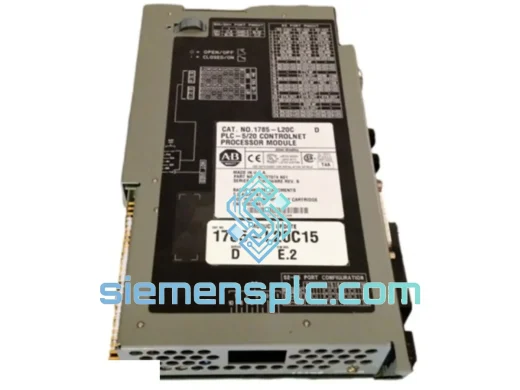
Allen-Bradley 1788-CNC CNC Interface Card – ControlNet Series
PLC-5
Origin US
CNC Interface Card
Allen-Bradley
RFQ Ready
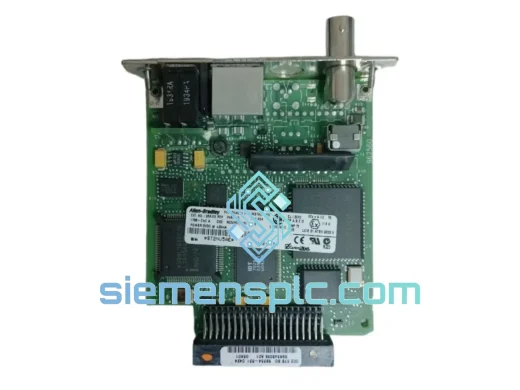
Allen-Bradley 1785-V40V CPU Module – PLC-5 Series
PLC-5
Origin US
CPU Module