Bently Nevada
RFQ Ready
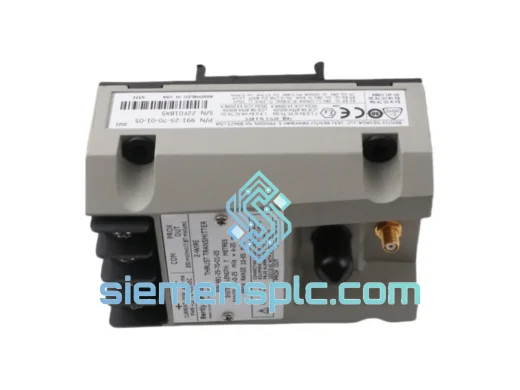
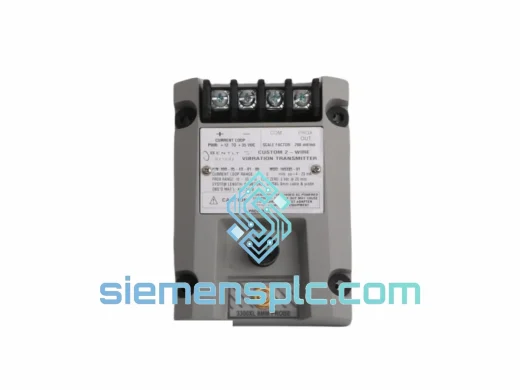
Bently Nevada RS901104-03-050-10-01 Proximitor Sensor – 3300 XL Series
3300 XL
Origin US
Proximitor Sensor
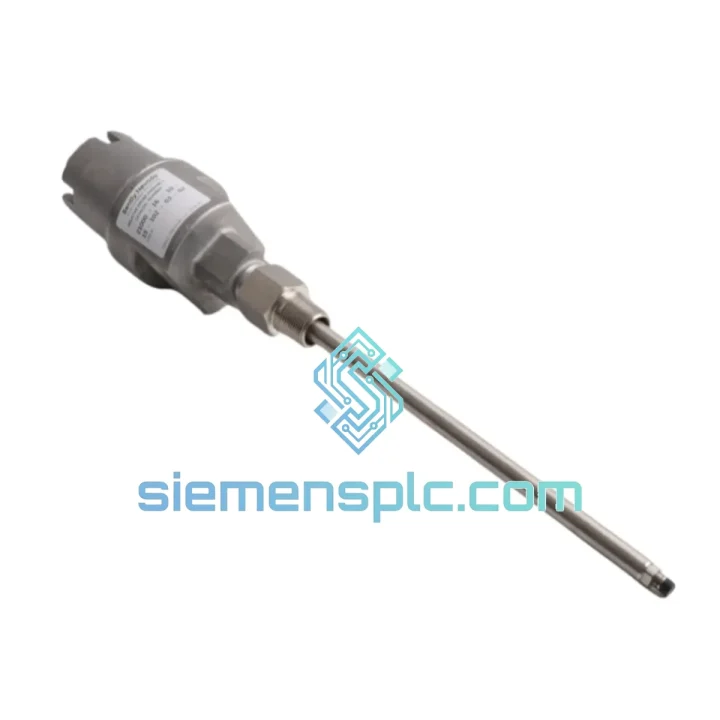
Request verified availability, condition, replacement risk review, packing options and courier lead time for 21000-16-10-00-103-04-02.
Click Request Quote and the part number is inserted into the inquiry form automatically.
Core fields for model confirmation and RFQ routing. Detailed product narrative remains below.
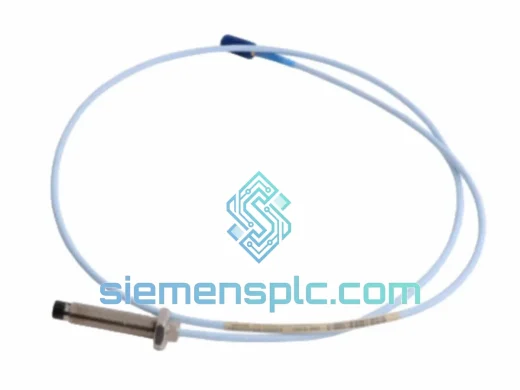
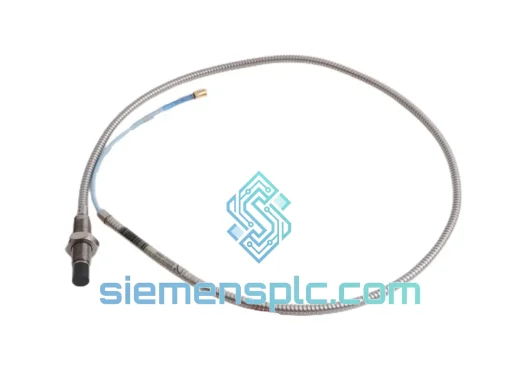
You’re not here to browse. A shaft journal monitor just tripped, the control room is on the phone, and your maintenance window is already burning. The Bently Nevada 21000-16-10-00-103-04-02 16 mm Proximity Probe Housing Assembly is on the shelf in Xiamen — packed, labeled, and ready to hand to DHL before your shift ends. That’s the only conversation worth having right now.
This is a 100% original Bently Nevada component, sourced through verified supply channels. No grey-market substitutes, no remarked housings, no surprises when your Proximitor reads the eddy-current field. The part number is exact. The sensitivity is factory-calibrated. The thread pitch is M10 × 1.0 — same as the one you’re pulling out of that bearing housing tonight.
URGENT REQUIREMENT? Contact: [email protected] | WhatsApp: +86 18359268345
| Parameter | Specification |
|---|---|
| Part Number | 21000-16-10-00-103-04-02 |
| Brand | Bently Nevada |
| Series | 3300 XL Proximity Transducer System |
| Component Type | Proximity Probe Housing Assembly |
| Probe Tip Diameter | 16 mm |
| Mounting Thread | M10 × 1.0 |
| Nominal Sensitivity | 7.87 V/mm (200 mV/mil) |
| Linear Measurement Range | 0.25 mm – 2.26 mm (10 – 90 mil) |
| Supply Voltage | –24 VDC (via matched Proximitor sensor) |
| Operating Temperature | –40 °C to +177 °C |
| Ingress Protection | IP67 |
| Housing Material | 316 Stainless Steel |
| Cable Jacket | PTFE — oil, steam, and chemical resistant |
| Applicable Standards | API 670, IEC 60079, ISO 10816, CE, RoHS |
| Country of Origin | United States |
| Stock Status | ✔ Ready to Ship — Xiamen Warehouse |
Field experience with 3300 XL systems narrows failure modes down fast. Before you condemn the probe assembly, work through these checks — and when you do swap the 21000-16-10-00-103-04-02, follow the sequence below to avoid a second trip to the bearing housing.
Fault Pattern 1 — OK LED extinguished, –24 VDC supply confirmed present:
Measure resistance across the probe’s coaxial connector pins. An open circuit (infinite resistance) confirms coil failure inside the housing. The 21000-16-10-00-103-04-02 is a sealed assembly — there is no field repair. Replace the probe.
Fault Pattern 2 — Gap voltage pinned at –2 VDC or clamped at supply rail (–24 VDC):
Pull the probe and inspect the tip face under a flashlight. A shorted reading almost always means the locknut has backed the probe tip into the target surface, or the target surface itself has contacted the probe during a rub event. Check shaft runout before reinstalling.
Fault Pattern 3 — Intermittent high-frequency spikes, no correlated process change:
The connector junction between the probe body and the extension cable is the first place moisture and oil mist attack. Clean both mating surfaces with isopropyl alcohol, re-torque the connector to 1.1 N·m, and monitor for 30 minutes. If the spike pattern persists, swap the extension cable before condemning the probe — extension cables fail at a higher rate than probe housings in service.
Fault Pattern 4 — Elevated 1× vibration amplitude immediately after probe swap:
The gap is wrong. For this 16 mm probe paired with a 3300 XL Proximitor, the target gap voltage is –10.0 VDC ± 0.5 VDC measured at the Proximitor output terminal — not at the monitor card input. Use a calibrated DC voltmeter directly at the Proximitor. A 0.1 mm error in physical gap translates to roughly 0.79 V of output error, which will shift your alarm setpoints.
Fault Pattern 5 — Monitor card Not OK after correct gap is confirmed:
Verify the Proximitor sensor part number. A 3300 XL Proximitor sized for an 8 mm probe will not correctly drive a 16 mm probe — the eddy-current field geometry is fundamentally different. Mismatched Proximitor-to-probe diameter combinations produce non-linear output and false Not OK states. The Proximitor must be the 16 mm-rated variant.
Replacement Procedure — Critical Steps:
The 21000-16-10-00-103-04-02 was not designed for a clean instrument cabinet. It was designed for the inside of a turbine bearing housing — an environment that stacks 150 °C+ ambient temperature, continuous broadband vibration from shaft rotation and blade-pass frequencies, oil mist at positive pressure, and occasional steam ingress from labyrinth seal degradation. Every material choice in this assembly reflects that reality.
The 316 stainless steel housing resists chloride stress corrosion cracking, which matters in coastal refineries, offshore platforms, and LNG terminals where salt-laden air finds its way into every unsealed cavity. The PTFE cable jacket does not swell, crack, or absorb process fluids over a 10-year service interval — a failure mode that eliminates a significant percentage of PVC-jacketed competitor probes before their first scheduled replacement.
IP67 ingress protection means the assembly survives temporary immersion, which is relevant during turbine water-wash cycles and during unexpected seal failures that flood the bearing housing before the drain can clear. The factory-sealed integral coaxial connector eliminates the field-assembled connector joint that is a documented weak point in non-OEM probe assemblies.
Vibration endurance per IEC 60068-2-6 confirms the housing maintains calibrated sensitivity after 10 hours of swept-sine excitation from 10 to 2,000 Hz at 20 g. In operational terms: the probe does not drift its gap voltage output under the very vibration it is measuring. For API 670 alarm integrity, that stability is not optional.
Our Xiamen warehouse sits 40 minutes from Xiamen Gaoqi International Airport (XMN), a DHL and FedEx hub with daily freighter departures to Frankfurt, Memphis, Dubai, and Singapore. Orders confirmed before 15:00 CST receive same-day carrier handover as standard — not as a premium add-on.
Estimated transit times from Xiamen by region:
Every shipment includes a commercial invoice with the correct HS code for proximity transducer assemblies, a detailed packing list, and — where required — a Certificate of Origin. Export customs clearance from the China side is handled by our team. For DDP (Delivered Duty Paid) terms, we coordinate with our licensed customs broker network to pre-clear import duties so your receiving dock does not face unexpected holds or demurrage charges.
Tracking numbers are pushed to you via email and WhatsApp within two hours of carrier pickup. If a shipment is held at customs, we follow up directly with the carrier on your behalf — you do not need to chase it.
Email: [email protected]
WhatsApp: +86 18359268345
Web: siemensplc.com
© 2026 siemensplc.com. All rights reserved.
We check the full part number, brand, series and visible nameplate information before quotation.
Sales confirms stock path, condition option, quantity and realistic lead time for export dispatch.
DHL, FedEx, UPS or buyer courier arrangements can be reviewed with packing requirements.
Similar brand or category products for fast comparison and multi-item RFQ lists.