Bently Nevada
RFQ Ready
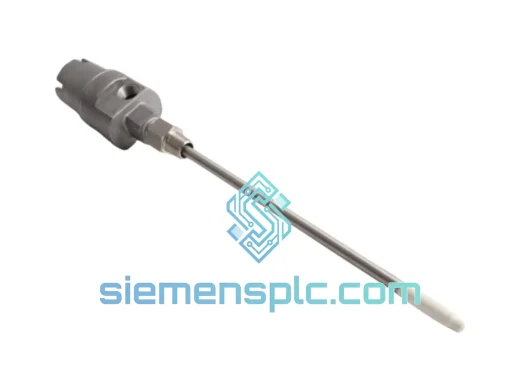
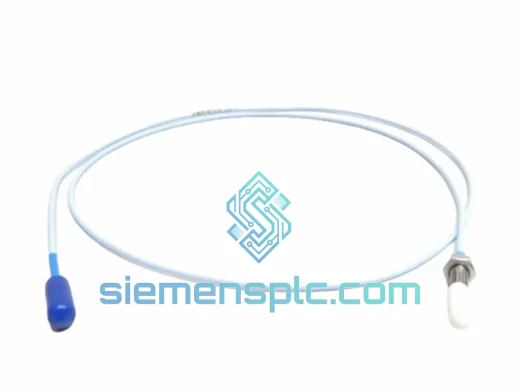
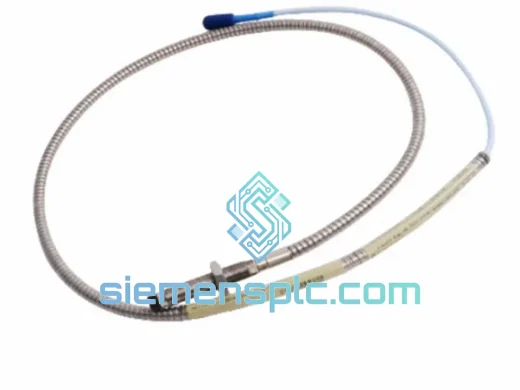
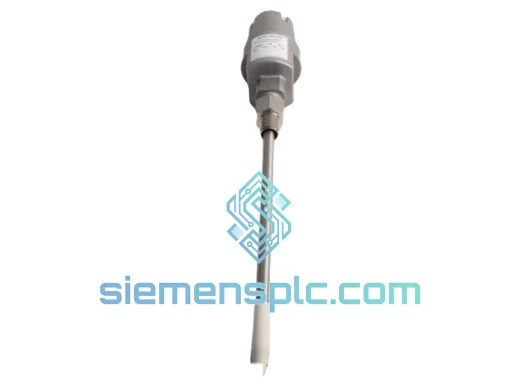
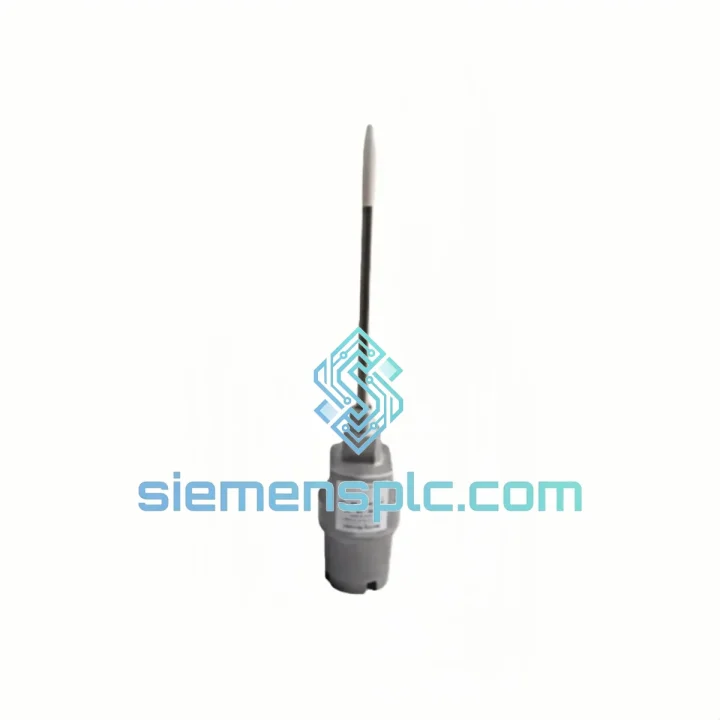
Bently Nevada 21000-34-10-00-085-04-02 Proximity Probe Housing Assembly
21000 Series
Origin US
Proximity Probe Housing Assembly
Request verified availability, condition, replacement risk review, packing options and courier lead time for 21000-34-05-15-029-04-02.
Click Request Quote and the part number is inserted into the inquiry form automatically.
Core fields for model confirmation and RFQ routing. Detailed product narrative remains below.
Every hour a turbine or compressor sits idle costs real money — production losses, contractual penalties, and the kind of pressure that follows a site manager into the weekend. The Bently Nevada 21000-34-05-15-029-04-02 Proximity Probe Housing Assembly is a direct OEM-equivalent replacement for the 3300 XL eddy-current proximity system. We stock it in Xiamen, we ship it the same day you confirm, and it lands at your site via DHL or FedEx Express — because waiting three weeks for a factory order is not an option when your machinery protection system is offline.
This is not a refurbished unit dressed up with a cleaning cloth. It is a 100% original Bently Nevada housing assembly, sourced through verified supply channels, inspected against OEM dimensional drawings, and shipped with a Certificate of Conformance. If your 3500 rack is throwing a Not OK on a proximity channel and the probe gap checks out, nine times out of ten the housing assembly is the culprit — a cracked compression fitting, a corroded cable entry, or a thread that has backed out under vibration. This part fixes that. Fast.
URGENT REQUIREMENT? Contact: [email protected] | WhatsApp: +86 18359268345
| Parameter | Specification | Status |
|---|---|---|
| Part Number | 21000-34-05-15-029-04-02 | ✔ Ready to Ship |
| Brand | Bently Nevada | 100% Original OEM |
| Series | 3300 XL / 21000 Series | — |
| Type | Proximity Probe Housing Assembly | — |
| Probe Thread | M10 × 1 (metric standard) | — |
| Housing Material | 316 Stainless Steel | — |
| Operating Temperature | –40 °C to +177 °C | — |
| IP Rating | IP67 | — |
| Mounting Style | Threaded boss / bracket mount | — |
| Weight (assembly) | Approx. 1,100 g | — |
| Compliance | API 670, CE, RoHS | — |
| Country of Origin | USA | — |
| Warranty | 12 months | CoC included |
| Lead Time | Same-day dispatch | ✔ In Stock — Xiamen |
After ten years of field calls, the failure patterns on 3300 XL proximity systems are predictable. Here is what to check before you pull the housing, and what to watch when you install the new one.
Fault Code: Channel Not OK / Probe Fault on 3500/42M
First, verify the Proximitor output voltage. A healthy 8 mm probe in a 3300 XL system should read approximately –10.5 VDC at the nominal 1.27 mm (50 mil) gap. If you are reading –24 VDC (probe too far) or 0 VDC (probe shorted or touching), the issue is gap, not housing. If the voltage is erratic or drifting under steady-state conditions, suspect the cable entry seal on the housing — moisture ingress is the number-one cause of signal noise in wash-down and outdoor installations.
Step-by-Step Housing Replacement Procedure
Common Pitfalls
The 21000-34-05-15-029-04-02 is built for environments that destroy lesser hardware. The 316 stainless steel housing resists hydrogen sulfide, chlorides, and the aggressive process fluids found in refinery and offshore installations. The IP67 rating means it survives full immersion — relevant in wash-down zones, cooling water areas, and tropical outdoor installations where condensation is a daily reality.
Vibration is the enemy of every threaded connection in a rotating machinery installation. The jam-nut locking design on this housing is not a convenience feature — it is an engineering requirement. The thread geometry and locking torque specification are validated against API 670 fatigue load profiles, meaning the housing stays put at the gap you set it, even on machines running at 3,600 RPM with significant unbalance.
Temperature cycling is equally demanding. Steam turbine bearing housings routinely see 150 °C surface temperatures during operation and drop to ambient during planned outages. The 316 SS construction and the compression fitting seal material are both rated for this thermal range without dimensional creep or seal degradation. You will not find the probe gap drifting because the housing expanded overnight.
In paper mills and steel plants, the combination of high humidity, airborne particulates, and aggressive cleaning chemicals creates a corrosion environment that destroys standard carbon steel hardware within months. The 316 SS housing is the correct material specification for these sites — not a premium option, a baseline requirement.
Our warehouse is located in Xiamen, Fujian Province — one of China’s primary export hubs with direct access to DHL, FedEx, and UPS international express networks. Orders confirmed before 15:00 CST ship the same business day. Here is what the logistics chain looks like from your purchase order to your receiving dock:
If your site is in a country with specific import requirements — dual-use controls, local certification mandates, or restricted payment channels — contact us before ordering. We handle complex export scenarios regularly and can advise on the fastest compliant routing.
For urgent requirements, quotation requests, or technical questions about compatibility and installation:
© 2026 siemensplc.com. All rights reserved.
We check the full part number, brand, series and visible nameplate information before quotation.
Sales confirms stock path, condition option, quantity and realistic lead time for export dispatch.
DHL, FedEx, UPS or buyer courier arrangements can be reviewed with packing requirements.
Similar brand or category products for fast comparison and multi-item RFQ lists.