Bently Nevada
RFQ Ready
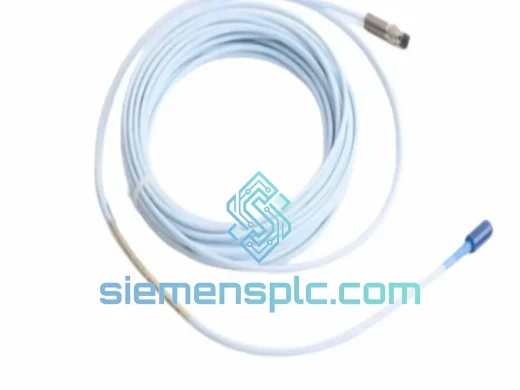
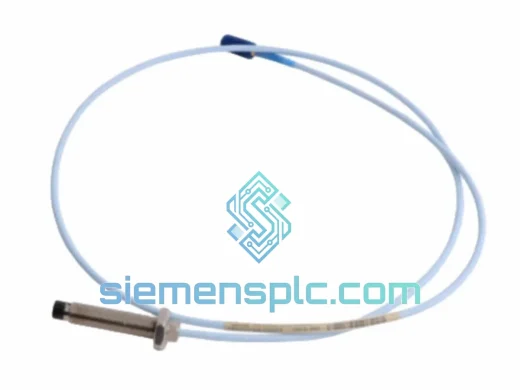
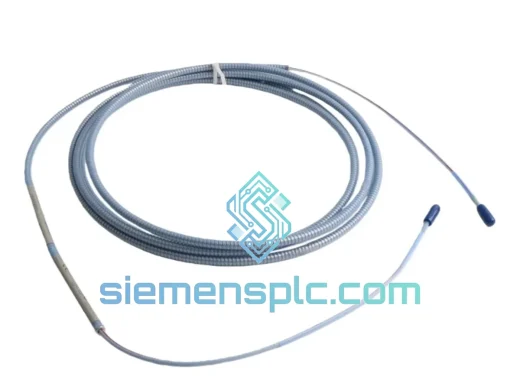
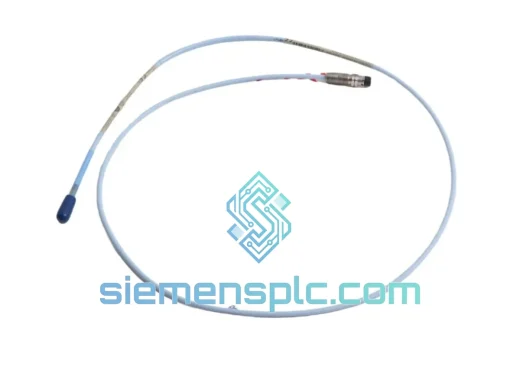
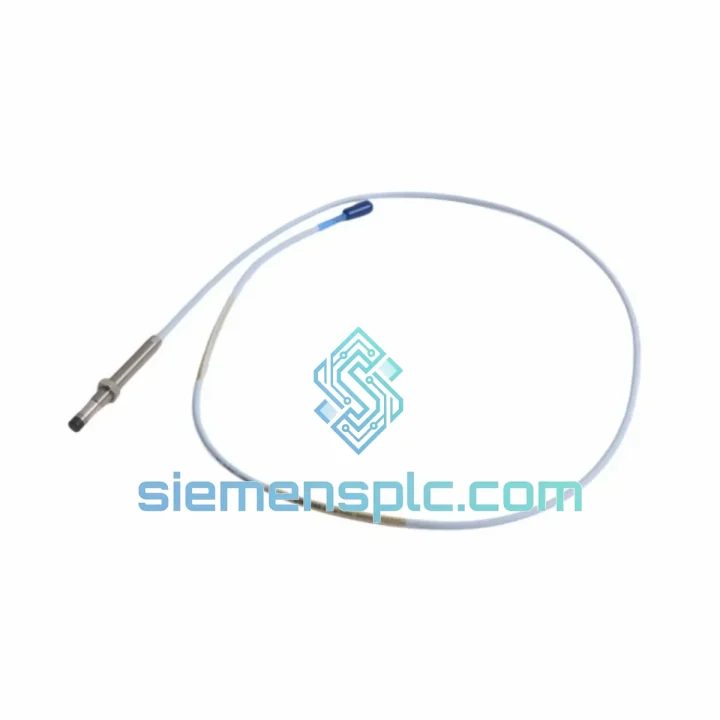
Bently Nevada 330196-05-30-10-00 Proximity Probe – 3300 XL ETR
3301
Origin US
Proximity Probe
Request verified availability, condition, replacement risk review, packing options and courier lead time for 330101-00-18-15-12-05.
Click Request Quote and the part number is inserted into the inquiry form automatically.
Core fields for model confirmation and RFQ routing. Detailed product narrative remains below.
Every hour a critical machine sits idle costs real money. A failed proximity transducer on a steam turbine, centrifugal compressor, or reactor feed pump doesn’t just trigger a shutdown alarm — it triggers a financial hemorrhage. Lost production, emergency maintenance labor, potential equipment damage from unmonitored shaft displacement: the numbers stack up fast. The Bently Nevada 330101-00-18-15-12-05 is on our shelf in Xiamen right now. We ship same day. That’s the only thing that matters when your plant is down.
This is an 8 mm eddy-current proximity transducer system from the 3300 XL Series — one of the most widely deployed vibration monitoring configurations in global oil & gas, power generation, and petrochemical facilities. The specific build: 18-inch armored extension cable, 15-foot interconnect cable, 5-meter system cable, -12 VDC bias, 5 mm linear range. If you’re running a Bently Nevada 3500 rack or a 3300-series driver, this is your drop-in replacement. No re-engineering. No recalibration. Bolt it in, gap it correctly, verify bias voltage, and you’re back online.
URGENT REQUIREMENT? Contact: [email protected] | WhatsApp: +86 18359268345
| Parameter | Specification | Status |
|---|---|---|
| Part Number / SKU | 330101-00-18-15-12-05 | ✅ Ready to Ship |
| Brand | Bently Nevada (Baker Hughes) | 100% Original OEM |
| Series | 3300 XL Proximity Transducer System | Current Production |
| Probe Tip Diameter | 8 mm | — |
| Extension Cable | 18 inches (457 mm), armored | — |
| Interconnect Cable | 15 feet (4.5 m) | — |
| System Cable | 5 meters | — |
| Bias Voltage | -12 VDC (nominal) | — |
| Linear Range | 5 mm (0.197 in) | — |
| Sensitivity | 7.87 V/mm (200 mV/mil) | — |
| Frequency Response | DC to 10,000 Hz | — |
| Probe Temp Range | -35°C to +177°C | — |
| Driver Temp Range | -35°C to +85°C | — |
| Target Material | AISI 4140 steel (standard) | — |
| Approvals | CE, ATEX, FM, CSA | — |
| Weight | ~80 g | — |
| Compatible Drivers | 3300/16, 3300/20, 3300/25, 3300/55 | — |
| Compatible Racks | 3500/40M, 3500/42M, 3500/45, 3701 | — |
| Origin | United States | — |
| Ship From | Xiamen, China | ✅ Same-Day Dispatch Available |
After a decade of field work on rotating machinery, here are the failure modes and replacement pitfalls I see most often with the 330101 series:
Common Failure Indicators:
Step-by-Step Replacement Procedure:
Configuration Notes:
The 3300 XL probe design was engineered for environments that destroy lesser instruments. The probe body is constructed from 316 stainless steel with a ceramic-filled epoxy tip — chemically resistant to the hydrocarbon condensates, lube oils, and process gases found in compressor and turbine bearing housings. The armored extension cable uses a stainless steel braid over a PTFE-insulated coaxial core, providing mechanical protection against abrasion from rotating components and resistance to the aggressive cleaning solvents used during maintenance outages.
Vibration immunity is a non-negotiable requirement for a sensor mounted directly on a machine casing. The 330101 series has been validated to withstand 20 g sinusoidal vibration across 10–2,000 Hz — well beyond the structural vibration levels seen on even the most aggressive reciprocating compressors. In offshore and marine applications where salt spray and humidity are constant threats, the sealed probe body and IP67-rated connector system prevent moisture ingress that would otherwise cause galvanic corrosion at the coaxial center conductor.
Thermal performance is where this probe genuinely earns its place in hot-section applications. Rated to +177°C at the probe tip, it handles the bearing housing temperatures of high-pressure steam turbines without signal drift. The driver, rated to +85°C, is typically mounted in a cooler instrument enclosure — but even in poorly ventilated junction boxes in tropical climates, this thermal margin provides adequate headroom. We have supplied this exact configuration to petrochemical plants in the Middle East and Southeast Asia where ambient temperatures regularly exceed 45°C, with zero field failures attributable to thermal overstress.
Our warehouse is located in Xiamen, Fujian Province — one of China’s primary export hubs with direct access to international freight lanes via Xiamen Gaoqi International Airport and Xiamen Port. This geography is not accidental: it puts us within 24–48 hours of most major industrial centers in Southeast Asia, and within 3–5 days of Europe, the Middle East, and the Americas via express courier.
Standard Export Process:
We understand that when you’re sourcing an emergency replacement, the last thing you need is a supplier who takes 48 hours to respond to a quote request. Our team monitors inquiries around the clock for urgent requirements. Send us your PO number, delivery address, and required delivery date — we will tell you within the hour whether we can meet it.
Email: [email protected]
WhatsApp: +86 18359268345
Web: siemensplc.com
© 2026 siemensplc.com. All rights reserved.
We check the full part number, brand, series and visible nameplate information before quotation.
Sales confirms stock path, condition option, quantity and realistic lead time for export dispatch.
DHL, FedEx, UPS or buyer courier arrangements can be reviewed with packing requirements.
Similar brand or category products for fast comparison and multi-item RFQ lists.