Bently Nevada
RFQ Ready
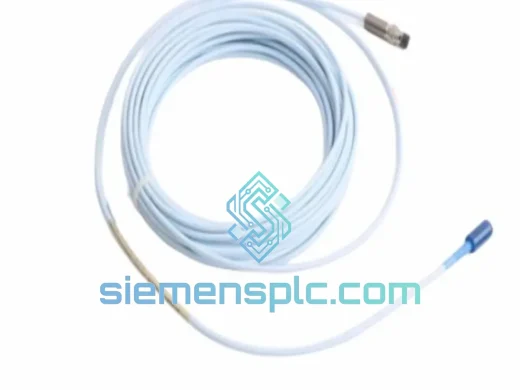
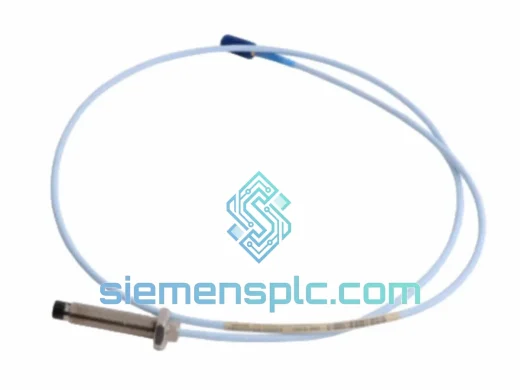
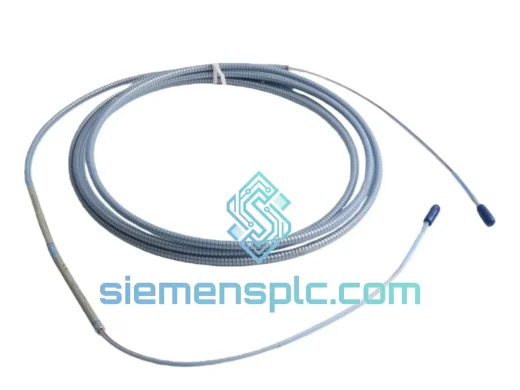
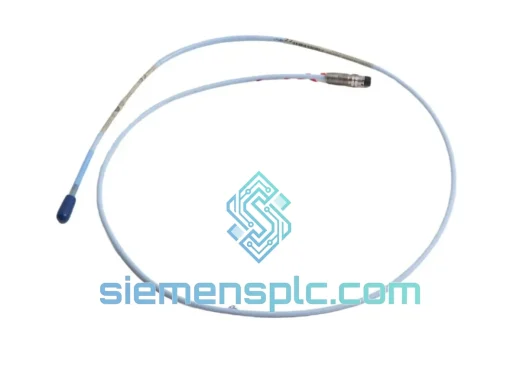
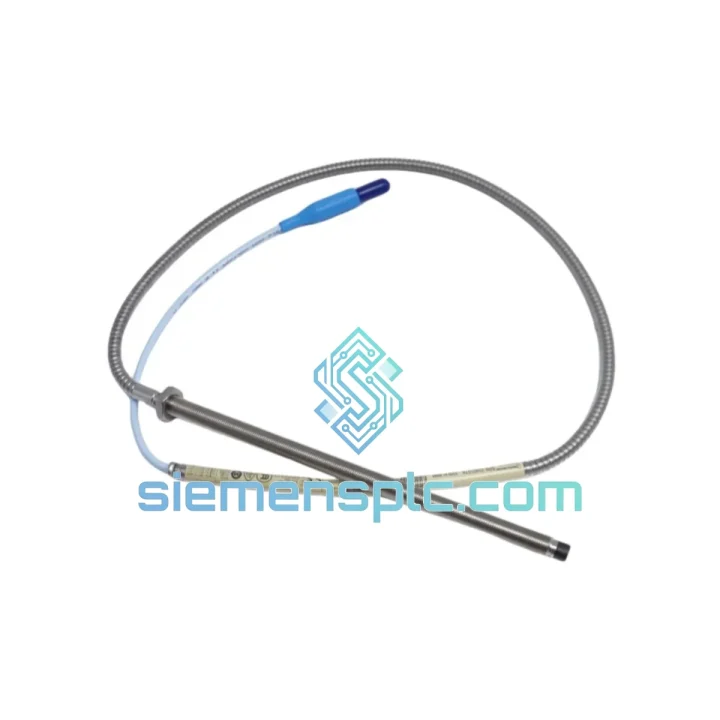
Bently Nevada 330196-05-30-10-00 Proximity Probe – 3300 XL ETR
3301
Origin US
Proximity Probe
Request verified availability, condition, replacement risk review, packing options and courier lead time for 330104-00-13-10-02-CN.
Click Request Quote and the part number is inserted into the inquiry form automatically.
Core fields for model confirmation and RFQ routing. Detailed product narrative remains below.
Every hour a turbine or compressor sits idle costs real money — lost throughput, penalty clauses, emergency labor. The Bently Nevada 330104-00-13-10-02-CN 8mm eddy-current proximity probe is one of the most failure-critical sensors in any rotating-machinery protection loop. When it fails, the entire 3300 XL / 3500 rack goes into alarm or trip, and production stops. We stock this exact part number — CN connector variant — and can have it moving toward your site within hours of order confirmation.
URGENT REQUIREMENT? Contact: [email protected] | WhatsApp: +86 18359268345
| Parameter | Specification | Status |
|---|---|---|
| Part Number | 330104-00-13-10-02-CN | ✔ Ready to Ship |
| Brand / OEM | Bently Nevada (Baker Hughes) | 100% Original |
| Series | 3300 XL Proximity System | — |
| Probe Tip Diameter | 8 mm | — |
| Integral Cable Length | 1.0 m | — |
| Extension Cable | 5.0 m (total system: 6.0 m) | — |
| Sensitivity | 7.87 V/mm (200 mV/mil) | — |
| Linear Measurement Range | 0.25 – 2.25 mm (10 – 90 mil) | — |
| Frequency Response | DC – 10,000 Hz | — |
| Supply Voltage | −24 VDC nominal | — |
| Operating Temperature | −35 °C to +177 °C | — |
| Target Material | AISI 4140 / 4340 steel | — |
| Connector Type | CN (Chinese standard) | — |
| Certifications | CE, ATEX (consult datasheet) | — |
| Compatible Monitors | 3500/40M, 3500/42M, 3300 XL Proximitor | — |
| Origin | USA | — |
| Weight | ~800 g (probe + cable assembly) | — |
After ten years of field work, these are the failure modes and swap pitfalls that catch engineers off guard on the 330104 series:
1. Confirm the fault is the probe, not the proximitor or extension cable. Before pulling the probe, measure the driver output voltage at the proximitor terminal. A healthy 3300 XL system sits at roughly −10 to −18 VDC at the gap voltage output. If you read −24 VDC (rail voltage), the probe or extension cable is open-circuit. If you read 0 VDC, the proximitor itself may be shorted or failed. Swap the extension cable first — it fails far more often than the probe body.
2. Total cable length is non-negotiable. The 330104-00-13-10-02-CN is calibrated for a 6.0 m total system (1.0 m integral + 5.0 m extension). Substituting a different extension length shifts the sensitivity curve and invalidates your calibration. If your installation requires a different total length, you need a different part number suffix — call us before ordering.
3. Gap setting after installation. Target gap for standard radial vibration measurement is 1.0 mm (40 mil), corresponding to approximately −10.0 VDC output. Use a non-ferrous feeler gauge or a calibrated gap tool. Do not rely on the thread depth alone — probe tip-to-target distance varies with mounting bracket tolerances.
4. Target material correction. If your shaft is not AISI 4140 or 4340, the probe’s sensitivity changes. Inconel, titanium, and duplex stainless all require a target material correction factor. Failing to apply this correction causes false vibration readings and can mask real shaft movement. Request the correction factor table from us when ordering for non-standard target materials.
5. CN connector torque. The CN connector is a push-and-twist design. Under-torqued connections introduce intermittent signal dropout that looks exactly like shaft vibration — a classic ghost-alarm scenario. Torque to the OEM specification (typically 0.5 N·m) and apply thread-locking compound rated for the operating temperature.
Common fault codes on 3500 rack when this probe fails:
The 330104 series was not designed for a clean lab — it was built for the inside of a bearing housing where temperatures spike, oil mist is constant, and vibration never stops. The probe body is machined from stainless steel with a hermetically sealed coil assembly. The integral cable uses a fluoropolymer jacket rated to +177 °C, resistant to the hydrocarbon-based lubricants found in most turbine bearing systems.
Vibration endurance testing covers the frequency ranges generated by typical rotating machinery — from low-speed compressors at 25 Hz to high-speed gas turbines exceeding 500 Hz. The probe mounting thread (M10 × 1.0 standard) is designed to resist loosening under continuous vibration without requiring lock-wire in most installations.
Humidity and condensation are handled by the sealed coil construction. The probe can be submerged in oil without signal degradation — a requirement for installations where the probe tip sits inside a flooded bearing housing. ATEX certification (consult the specific datasheet for your zone classification) covers installations in potentially explosive atmospheres, including hydrogen-cooled generators and offshore gas compression platforms.
In short: if your process environment is hostile enough to destroy other sensors, the 330104 was designed for exactly that environment. The failure rate in properly installed, correctly gapped systems is extremely low — when one does fail, it is almost always a cable or connector issue, not the probe body itself.
Our dispatch hub is in Xiamen, China — one of the best-connected export ports on the mainland, with direct DHL and FedEx international gateway access. Here is what the logistics chain looks like from your order to your site:
We have shipped to power plants, refineries, and offshore platforms across 40+ countries. Customs clearance delays are rare for this product category, but we proactively provide all documentation needed to prevent holds.
Email: [email protected]
WhatsApp: +86 18359268345
Web: siemensplc.com
© 2026 siemensplc.com. All rights reserved.
We check the full part number, brand, series and visible nameplate information before quotation.
Sales confirms stock path, condition option, quantity and realistic lead time for export dispatch.
DHL, FedEx, UPS or buyer courier arrangements can be reviewed with packing requirements.
Similar brand or category products for fast comparison and multi-item RFQ lists.