Bently Nevada
RFQ Ready
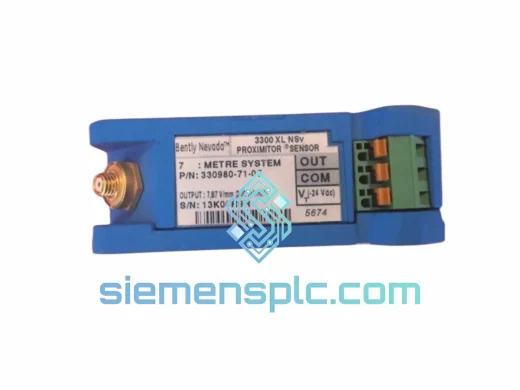
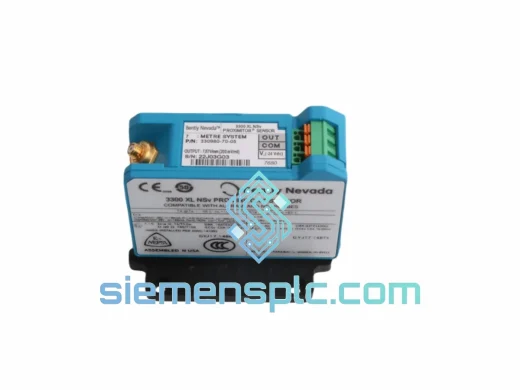
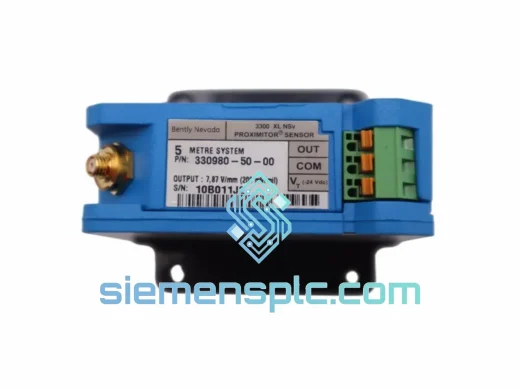
Bently Nevada 330980-71-05 NSV Proximitor Sensor
3309
Origin US
Proximitor Sensor
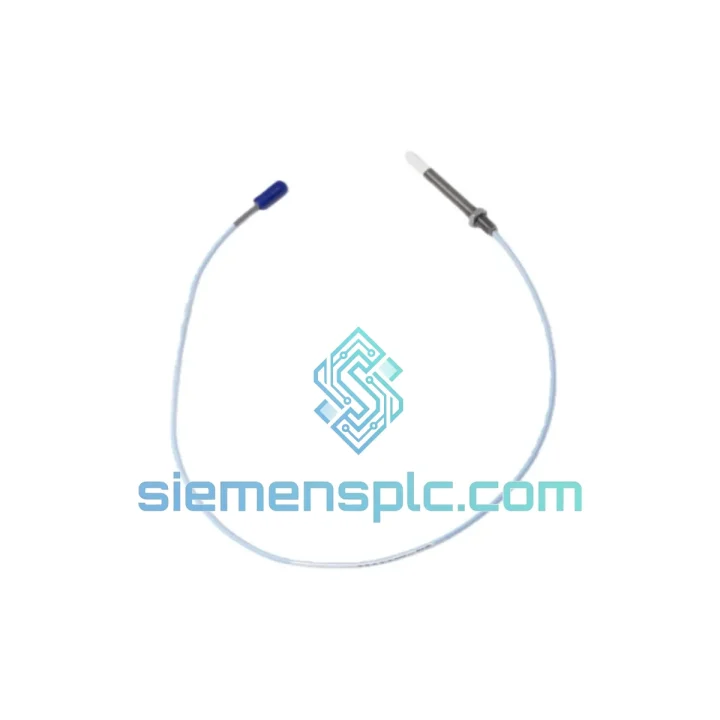
Request verified availability, condition, replacement risk review, packing options and courier lead time for 330903-00-02-10-02-00.
Click Request Quote and the part number is inserted into the inquiry form automatically.
Core fields for model confirmation and RFQ routing. Detailed product narrative remains below.
Every hour your turbine, compressor, or pump sits idle, the losses compound. A failed proximity probe shouldn’t be the reason your production line stays dark for three days while you chase lead times. The Bently Nevada 330903-00-02-10-02-00 NSv eddy-current proximity probe is on our shelf in Xiamen right now — inspected, verified, and ready to clear customs today. We’ve shipped this exact part number to refineries in the Middle East, power plants in Southeast Asia, and compressor stations in Europe. The process is the same every time: you call, we ship, your machine runs.
This is not a catalog listing. This is a live inventory position. If you’re reading this at 2 AM because your DCS just threw a Probe Not OK alarm and your on-call engineer is staring at a dead sensor, this is the page you needed to find.
URGENT REQUIREMENT? Contact: [email protected] | WhatsApp: +86 18359268345
| Parameter | Specification | Status |
|---|---|---|
| Part Number | 330903-00-02-10-02-00 | ✔ Ready to Ship |
| Series | NSv (Non-contacting Vibration) | |
| Probe Tip Diameter | 5 mm | |
| Cable Length | 9 m (standard) | |
| Sensitivity | 7.87 V/mm (200 mV/mil) | |
| Linear Range | 0.25 – 2.25 mm (10 – 90 mil) | |
| Operating Temperature | -35°C to +177°C | |
| Frequency Response | 0 – 10,000 Hz | |
| Supply Voltage | -24 VDC nominal | |
| Output Voltage | -1 to -21 VDC | |
| Connector | 2-pin MIL-C-5015 style | |
| Housing Material | 316 Stainless Steel | |
| Compatible Driver | 3300 XL 5mm Proximitor® Sensor | |
| Approvals | CE, ATEX, IECEx | |
| Origin | USA (Bently Nevada / Baker Hughes) | |
| Condition | New / Surplus New | ✔ Ready to Ship |
After ten years of field work, the same failure patterns show up again and again with NSv probes. Here’s what to check before you pull the trigger on a replacement — and what to watch for when you install the new one.
Common fault codes and what they actually mean:
Replacement procedure — field checklist:
The 330903-00-02-10-02-00 is built for environments that destroy lesser sensors. The 316 stainless steel housing is rated for continuous immersion in H₂S-bearing process gas, high-pressure oil mist, and steam atmospheres. The hermetically sealed probe tip prevents moisture from reaching the coil assembly — the single most common failure mode in cheaper eddy-current probes operating in wet gas applications.
Vibration resistance is not a marketing claim here. These probes are installed directly on rotating machinery bearing housings, where broadband vibration levels routinely exceed 10 g RMS. The cable strain relief and connector backshell are designed to survive millions of flex cycles without conductor fatigue. In high-temperature installations — exhaust-end turbine bearings, for example — the probe body maintains calibration accuracy up to 177°C without drift correction.
For offshore and coastal installations, the stainless housing resists salt-spray corrosion per IEC 60068-2-52. ATEX and IECEx certifications cover Zone 1 and Zone 2 hazardous area installations, making this probe suitable for gas turbine enclosures and compressor buildings without additional barriers in most configurations. Confirm your specific zone classification and T-class with your safety engineer before installation.
Our warehouse is in Xiamen, Fujian — one of China’s primary export hubs with direct access to DHL, FedEx, and UPS international gateways. For urgent orders confirmed before 3 PM CST, same-day dispatch is standard. Here’s how the process works:
We have shipped to over 40 countries. Downtime doesn’t wait for business hours, and neither do we.
Email: [email protected]
WhatsApp: +86 18359268345
Web: siemensplc.com
© 2026 siemensplc.com. All rights reserved.
We check the full part number, brand, series and visible nameplate information before quotation.
Sales confirms stock path, condition option, quantity and realistic lead time for export dispatch.
DHL, FedEx, UPS or buyer courier arrangements can be reviewed with packing requirements.
Similar brand or category products for fast comparison and multi-item RFQ lists.