Bently Nevada
RFQ Ready
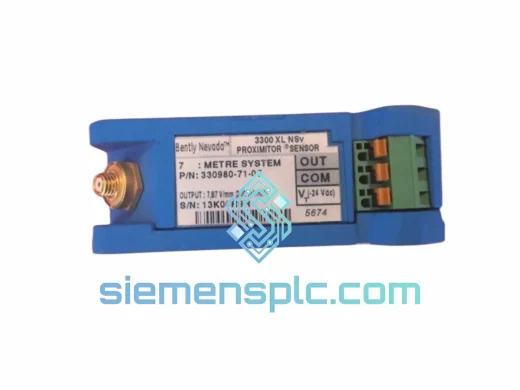
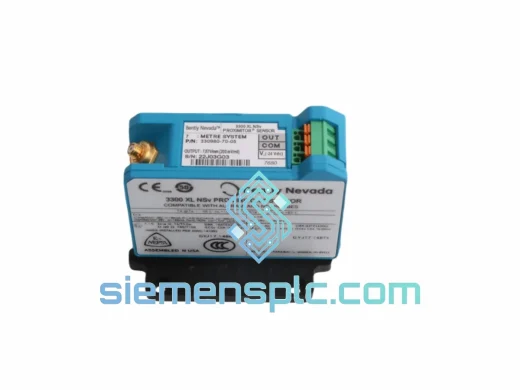
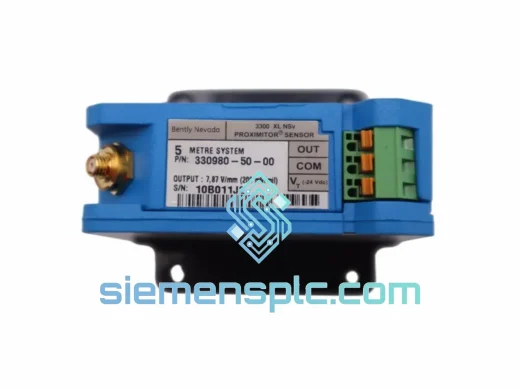
Bently Nevada 330980-71-05 NSV Proximitor Sensor
3309
Origin US
Proximitor Sensor
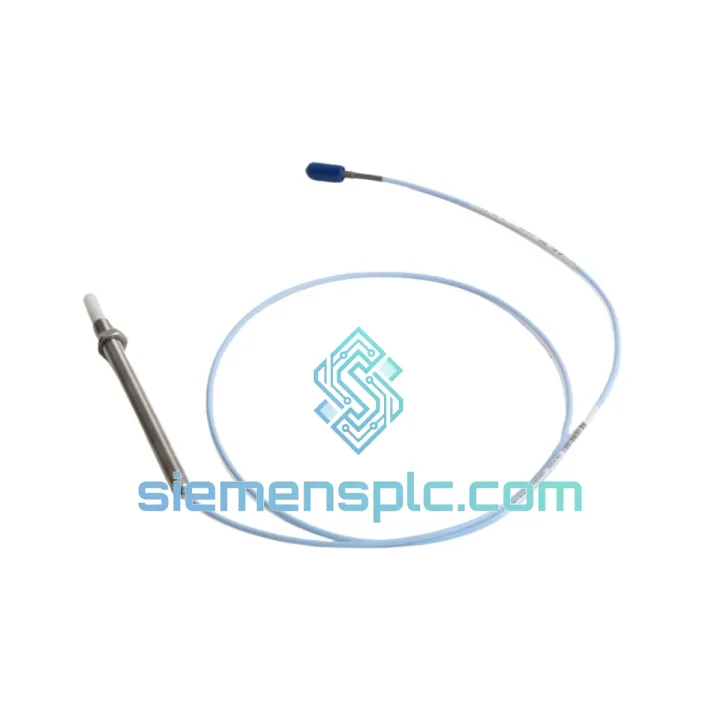
Request verified availability, condition, replacement risk review, packing options and courier lead time for 330905-00-17-10-02-CN.
Click Request Quote and the part number is inserted into the inquiry form automatically.
Core fields for model confirmation and RFQ routing. Detailed product narrative remains below.
Every hour your turbine or compressor sits idle, the losses compound. A failed proximity probe shouldn’t be the reason your production line stays down for days. The Bently Nevada 330905-00-17-10-02-CN is on our shelf in Xiamen right now — inspected, documented, and ready to ship via DHL Express or FedEx International Priority within hours of order confirmation. We’ve handled enough emergency callouts to know that the difference between a 6-hour fix and a 3-day nightmare is usually parts availability. That’s exactly why we stock this.
URGENT REQUIREMENT? Contact: [email protected] | WhatsApp: +86 18359268345
| Parameter | Value | Status |
|---|---|---|
| Part Number | 330905-00-17-10-02-CN | ✅ Ready to Ship |
| Brand | Bently Nevada (Baker Hughes) | |
| Series | 3300 NSv | |
| Probe Type | Eddy-Current Proximity Probe | |
| Active Tip Length | 17 mm | |
| Integral Cable Length | ~1.0 m | |
| Connector | CN (coaxial) | |
| Linear Measurement Range | 0 – 2 mm | |
| Sensitivity | 7.87 V/mm (200 mV/mil) | |
| Supply Voltage | −24 VDC (via Proximitor®) | |
| Operating Temperature | −35 °C to +177 °C | |
| Target Material (Standard) | AISI 4140 steel | |
| Thread | M10 × 1.0 | |
| IP Rating | IP67 | |
| Compatible Monitor | 3300 NSv Proximitor® Sensor | |
| Compliance | API 670 | |
| Weight | ~80 g | |
| Origin | USA |
After ten years of field work on rotating machinery, here’s what actually matters when you’re swapping out a 330905-00-17-10-02-CN under pressure:
1. Verify the Proximitor® model before you pull the old probe. The 3300 NSv probe is calibrated exclusively for the 3300 NSv Proximitor® Sensor (e.g., 330180-X1-00). If your monitor is a 3500 or 7200 series, stop — this probe will not calibrate correctly without a full system reconfiguration. Confirm the Proximitor® model number on the housing before ordering.
2. Re-establish gap voltage immediately after installation. Even if you’re installing the identical part number, the gap voltage must be re-zeroed. Target: −10.0 VDC ±0.5 VDC at mid-range (1.0 mm gap). Use a calibrated gap tool or feeler gauge. Do not rely on the previous probe’s gap setting — thread engagement tolerances alone can shift the output by 0.3–0.5 V.
3. Check the -CN suffix compatibility. The -CN connector variant is electrically and mechanically equivalent to the -00 suffix in most installations. However, if your cable routing uses a non-CN extension cable, verify the mating connector before installation. A mismatched connector under vibration will cause intermittent signal dropout — a fault that’s notoriously difficult to diagnose remotely.
4. Common fault codes and what they actually mean:
5. Thread torque matters. Torque the M10 × 1.0 probe body to 5–7 N·m. Under-torquing allows micro-movement under vibration, which introduces mechanical noise into the signal. Over-torquing risks cracking the probe body — a failure mode that won’t show up until the machine is back online.
The 330905-00-17-10-02-CN is not a lab instrument — it’s built for the kind of environments that destroy lesser sensors. The probe body is constructed from 316 stainless steel with a ceramic-filled epoxy tip, giving it genuine resistance to the chemical exposure common in petrochemical and power generation facilities. The IP67 rating isn’t a marketing claim; it means the probe survives full immersion in water to 1 meter for 30 minutes — relevant when steam leaks or wash-down cycles are part of your maintenance routine.
Vibration resistance is rated to 20 g continuous, 50 g shock (11 ms half-sine). In practice, we’ve seen these probes outlast the machines they monitor in high-vibration compressor applications. The integral cable uses a fluoropolymer jacket rated to +177 °C, which handles the radiant heat from steam turbine casings without insulation breakdown — a common failure point on cheaper aftermarket probes.
The eddy-current measurement principle itself is inherently immune to dust, oil mist, and non-conductive contamination. Unlike optical or capacitive sensors, there are no lenses to foul and no dielectric constants to compensate for. As long as the target surface is clean steel and the gap is set correctly, the 330905-00-17-10-02-CN will deliver a clean, linear output signal regardless of what the surrounding environment throws at it.
Our warehouse is located in Xiamen, Fujian Province — one of China’s primary export hubs with direct access to DHL, FedEx, and UPS international gateways. Here’s how a typical emergency order moves:
For plant shutdowns or turnaround projects requiring multiple line items, we can consolidate shipments and provide a single commercial invoice to simplify your customs process. Contact us directly for project-based logistics coordination.
Email: [email protected]
WhatsApp: +86 18359268345
Web: siemensplc.com
© 2026 siemensplc.com. All rights reserved.
We check the full part number, brand, series and visible nameplate information before quotation.
Sales confirms stock path, condition option, quantity and realistic lead time for export dispatch.
DHL, FedEx, UPS or buyer courier arrangements can be reviewed with packing requirements.
Similar brand or category products for fast comparison and multi-item RFQ lists.